Global Tablet Shipments Surge 10%, Highest Level Since 2020 Pandemic Boom
 Joe Gallop
07 May 2026
Joe Gallop
07 May 2026

The global tablet market staged a strong recovery in 2025, with shipments climbing 9.8% year-on-year to 162 million units – the highest annual total since the pandemic-fuelled boom of 2020 – but analysts warn this will unlikely carry on into 2026.
Analyst firm Omdia said the surge was driven by a strong holiday season, aggressive vendor discounting and manufacturers increasing production ahead of expected memory supply constraints.
Fourth quarter shipments reached 44 million units, also up 9.8% year-on-year, with growth recorded across every major region except North America, according to Omdia.
Apple maintained its dominance of the tablet market during Q4 2025, shipping 19.6 million iPads, up 16.5% from a year earlier. Omdia attributed the growth to strong demand for the iPad 11th Generation and Apple’s M5-powered iPad Pro range.
Samsung remained the second-largest tablet vendor globally, although shipments fell 9.2% year-on-year to 6.4 million units as broader market pressures impacted demand.
Lenovo delivered the strongest growth among the major vendors, with shipments jumping 36% to 3.9 million units. Huawei ranked fourth with 3 million units shipped and 14.8% growth, while Xiaomi rounded out the top five with 2.8 million units shipped, up 10.1% during the quarter.
Himani Mukka, Research Manager at Omdia, said the market’s recovery is unlikely to continue at the same pace this year.
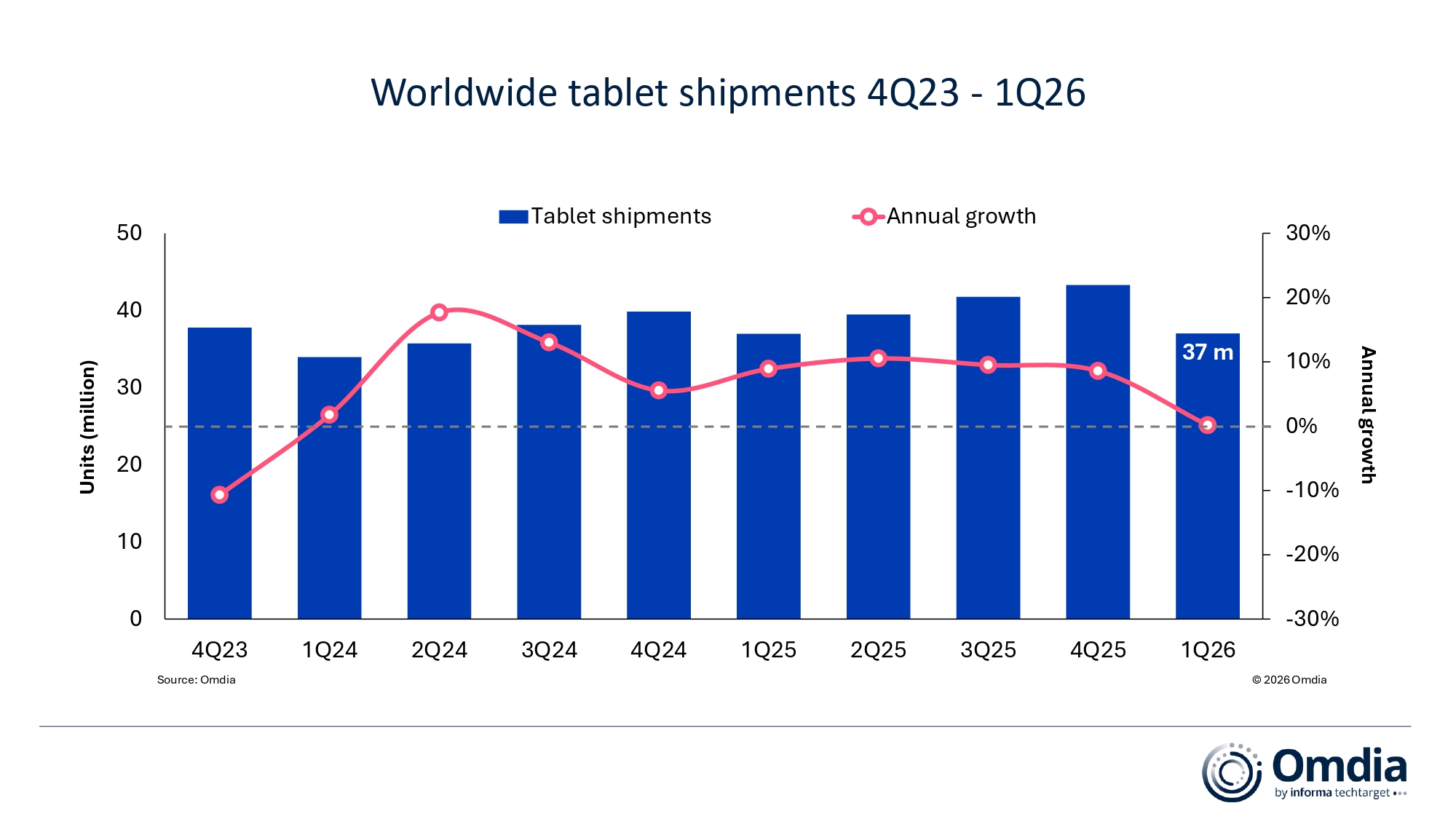
“In 2025, the tablet market delivered its highest annual shipment volume since the pandemic-driven demand boom of 2020,” Mukka said.
“However, tablet demand will come under increasing pressure in 2026 as vendors face disruption in the memory market that threatens supply availability and drives up prices.”
Omdia said future growth opportunities will centre on premium tablet upgrades in developed markets and government-backed education programs in emerging economies.
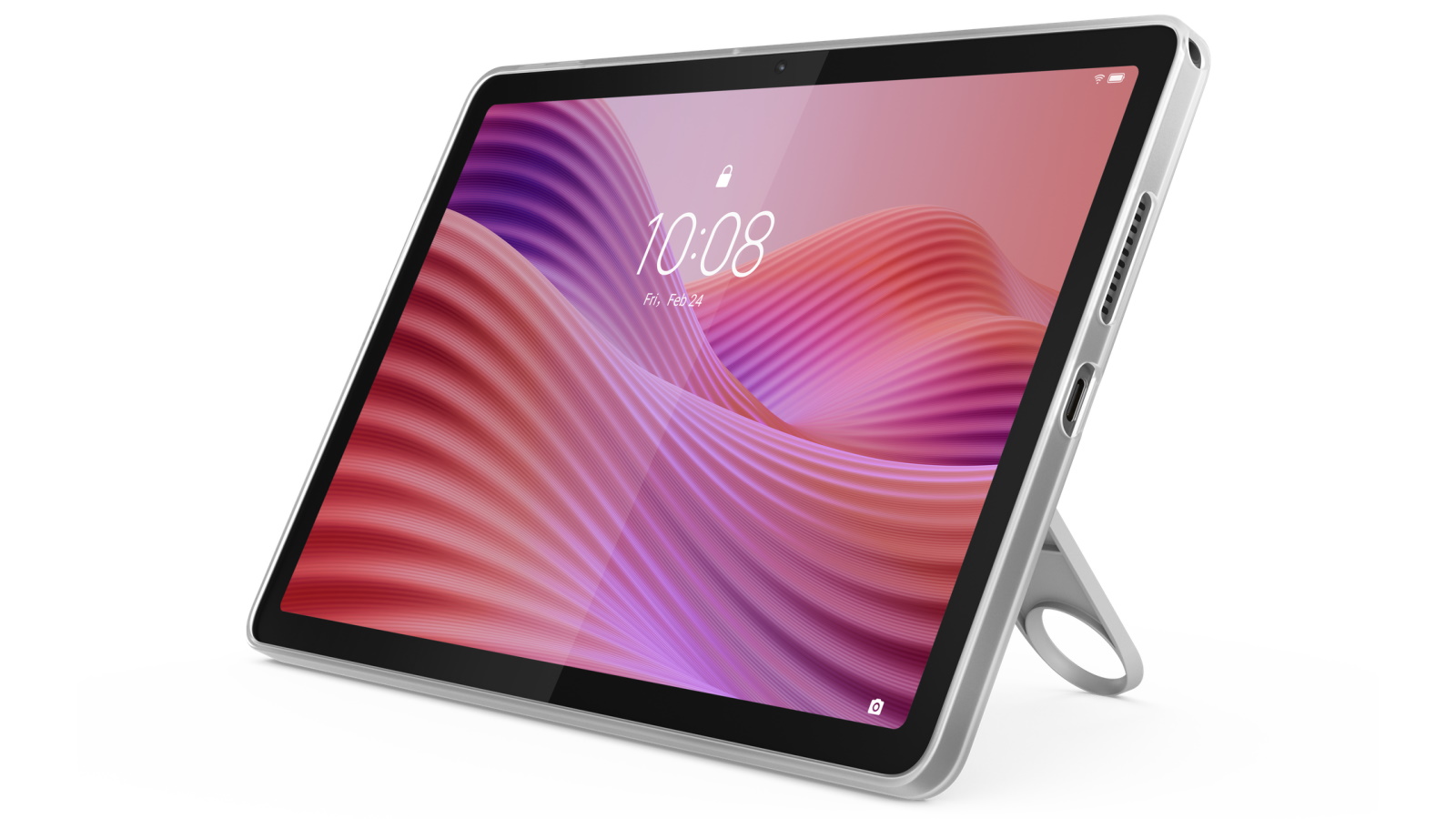
The research firm also expects tablet makers to increasingly position devices as part of broader AI-driven ecosystems, highlighting cross-platform functionality and generative AI integration as key battlegrounds.
Examples cited include Lenovo’s Qira platform, which works across Windows and Android, and Apple’s collaboration with Google to potentially integrate Gemini AI features into future Apple Intelligence products, including iPads.
The latest Omdia figures come just a week after the firm warned that global smartphone vendors were building excess inventory into distribution channels amid weakening consumer demand and rising component costs.