EXCLUSIVE: Pullman Hotel CCTV Could Prove Critical As Lawyer Escalates Claims In A Move That Risks The Entire Swans Case
 David Richards
21 Aug 2026
David Richards
21 Aug 2026
Technology and already seized security camera footage could emerge as a critical piece of evidence in the Sydney Swans alleged sexual assault scandal, potentially allowing police to test claims by a lawyer representing two women that more than five players and other club figures were present around the time of the alleged incident.
John Karantzis, head of personal injury at Melbourne-based Carbone Lawyers, has publicly claimed the number of Swans figures involved was considerably greater than five and included people he described as “leaders” of the club.
Those are significant allegations, particularly given no charges have been laid and the claims have yet to be tested in court and that police are in possession of extensive footage from the Pullman Hotel.Potentially crucial to establishing who was actually present is CCTV footage from the Pullman Sydney Hyde Park, where the alleged incident is said to have occurred.
The problem for the women and the Victorian Police investigating the case is that if the camera technology in the hotel proves that there were only five people in the room which at this stage it’s claimed were suspended players Chad Warner, Riley Bice, James Jordon, Nick Blakey and Isaac Heeney, the credibility of the women and their ability to remember accurately what has been bought into question especially as footage from the camera technology used at the Pullman Hotel has already been seized by the Victorian Police.
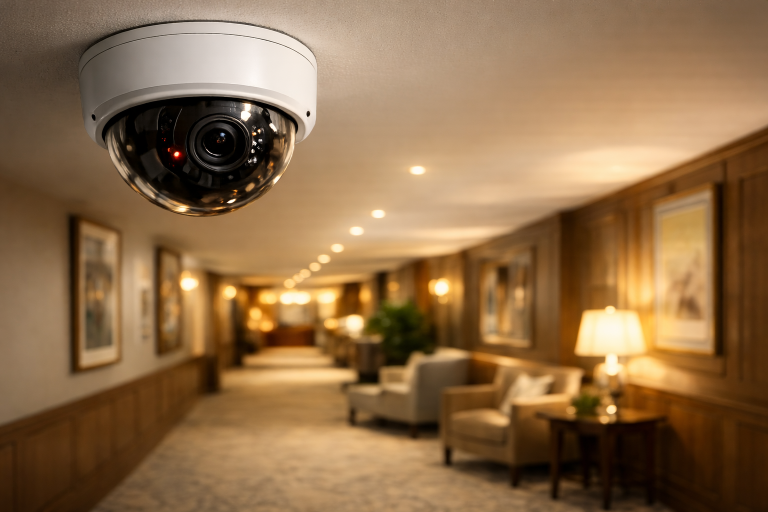
Investigations by ChannelNews reveals that Pullman Hotels use security cameras in public areas like lobbies, hallways, and parking lots, but not inside private guest rooms where it’s alleged the exotic dancers were inappropriately touched.
The Hotel admits that walkways front desks, elevators, and corridors use closed-circuit television (CCTV) cameras to keep guests and staff safe.
Accor Hotels the parent company of Pullman has also in the past tested advanced camera tech, such as facial recognition at select properties in their portfolio according to management.
Police investigating the allegations can potentially use hotel security footage to reconstruct movements through public areas of the property, including corridors, lifts, entrances and other common areas.
While cameras would not ordinarily be installed inside private guest rooms, footage from surrounding areas could potentially establish who travelled to the relevant floor, who entered or left corridors servicing the room and the timing of those movements.
That could provide investigators with an independent evidentiary trail against which accounts given by complainants, players and other witnesses can be compared.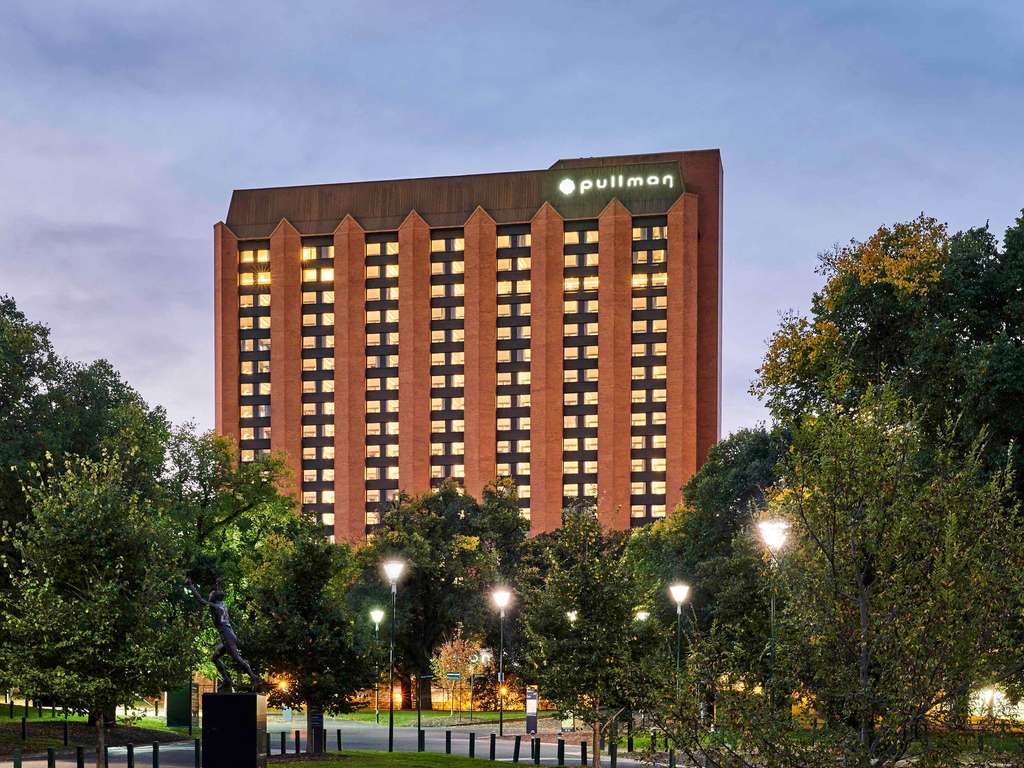
It also raises questions about the wisdom of lawyers conducting an aggressive media campaign before investigators have completed their work and before anyone has been charged.
Karantzis and Carbone Lawyers have actively sought publicity surrounding the allegations. However, publicly advancing detailed claims about the number and status of people allegedly present carries risks when objective evidence may subsequently confirm or contradict those claims.
If CCTV, electronic room-access records, mobile phone location data, messages or other digital evidence materially conflicts with accounts being publicly advanced, it could affect the credibility of particular witnesses or aspects of their evidence. It would not, by itself, mean that an alleged assault did not occur.
Equally, footage showing additional Swans figures arriving at or leaving the relevant location could become important corroborating evidence.
Publicity Before Charges Carries Risks
There is also a broader issue surrounding attempts to prosecute allegations through the media before police have determined whether charges should be laid.
Pre-charge publicity is not automatically unlawful, and lawyers are entitled to represent their clients publicly. But there is a difference between advocating for a client and making factual assertions that may later become contested evidence.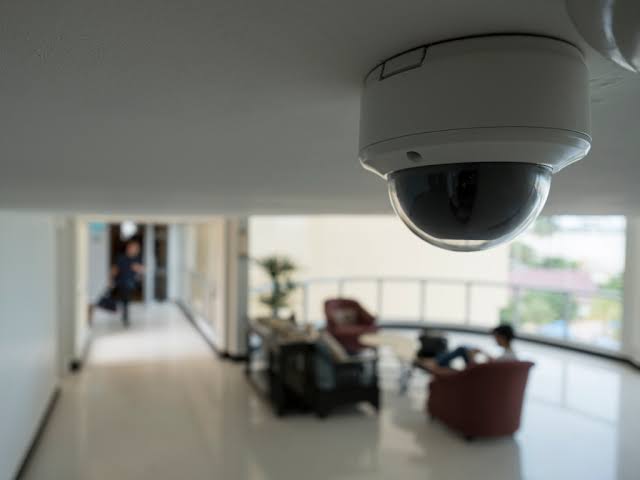
Extensive publicity can potentially complicate an investigation by alerting witnesses to other accounts, encouraging witnesses to discuss events among themselves and creating a substantial public narrative before investigators have completed interviews and examined objective evidence.
It can also create problems if proceedings ultimately reach a jury, particularly where allegations, identities or purported evidence have been repeatedly circulated before being tested in court.
The central issue remains what the evidence establishes.
In this case, technology could prove far more reliable than competing claims made through lawyers and the media.
CCTV, hotel access records, telecommunications data and digital communications can potentially establish a timeline of who was where, when they arrived and when they left.
For Victorian Police, that evidence could now prove critical in separating allegation from independently verifiable fact.