From Robot Vacuums to Rocket Cars: Is Dreame Building the Future or Just Spinning The Wheeels?
 David Richards
12 May 2026
David Richards
12 May 2026
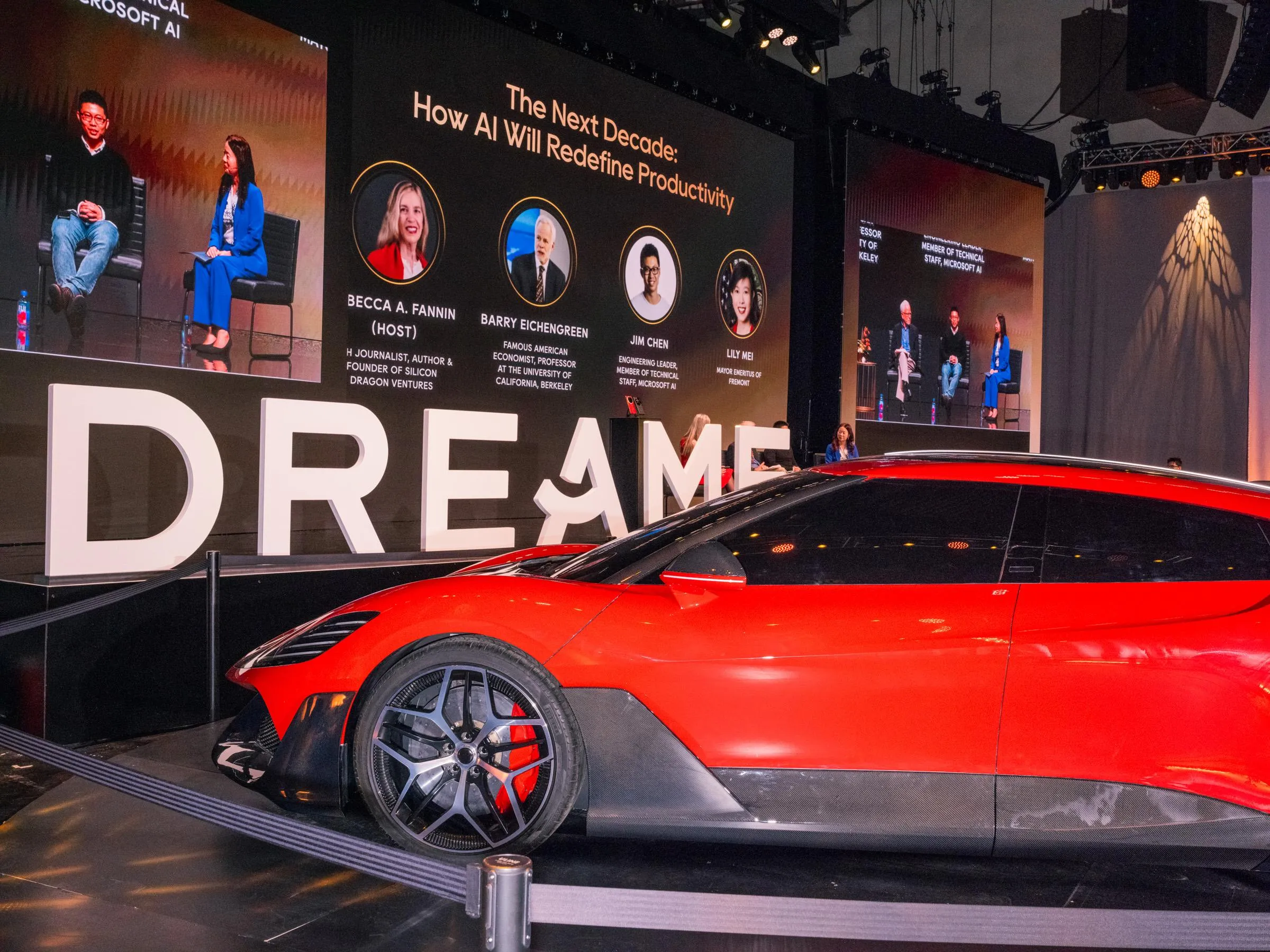
One has to wonder whether buying a robotic vacuum cleaner from a car company is any stranger than buying a “rocket powered” sports car from a business best known for hair dryers and floor, cleaning gadgets.
Chinese appliance brand Dreame appears determined to answer that question by attempting to become everything, everywhere, all at once, from premium robot vacuums and TVs to kitchen appliances, hair,care devices and now electric supercars boasting performance figures that sound like they were generated by ChatGPT after binge,watching Fast & Furious movies.
Last week the company staged a flashy product showcase in San Francisco , an event notable as much for the absence of major global media as for the avalanche of products unveiled.
Among the announcements was the oddly named “Pocket P10 Cake”, a portable hair dryer featuring an automated hair,oiling system.
Observers were relieved to learn the oiling technology is apparently unrelated to the engineering behind Dreame’s latest electric vehicle ambitions.
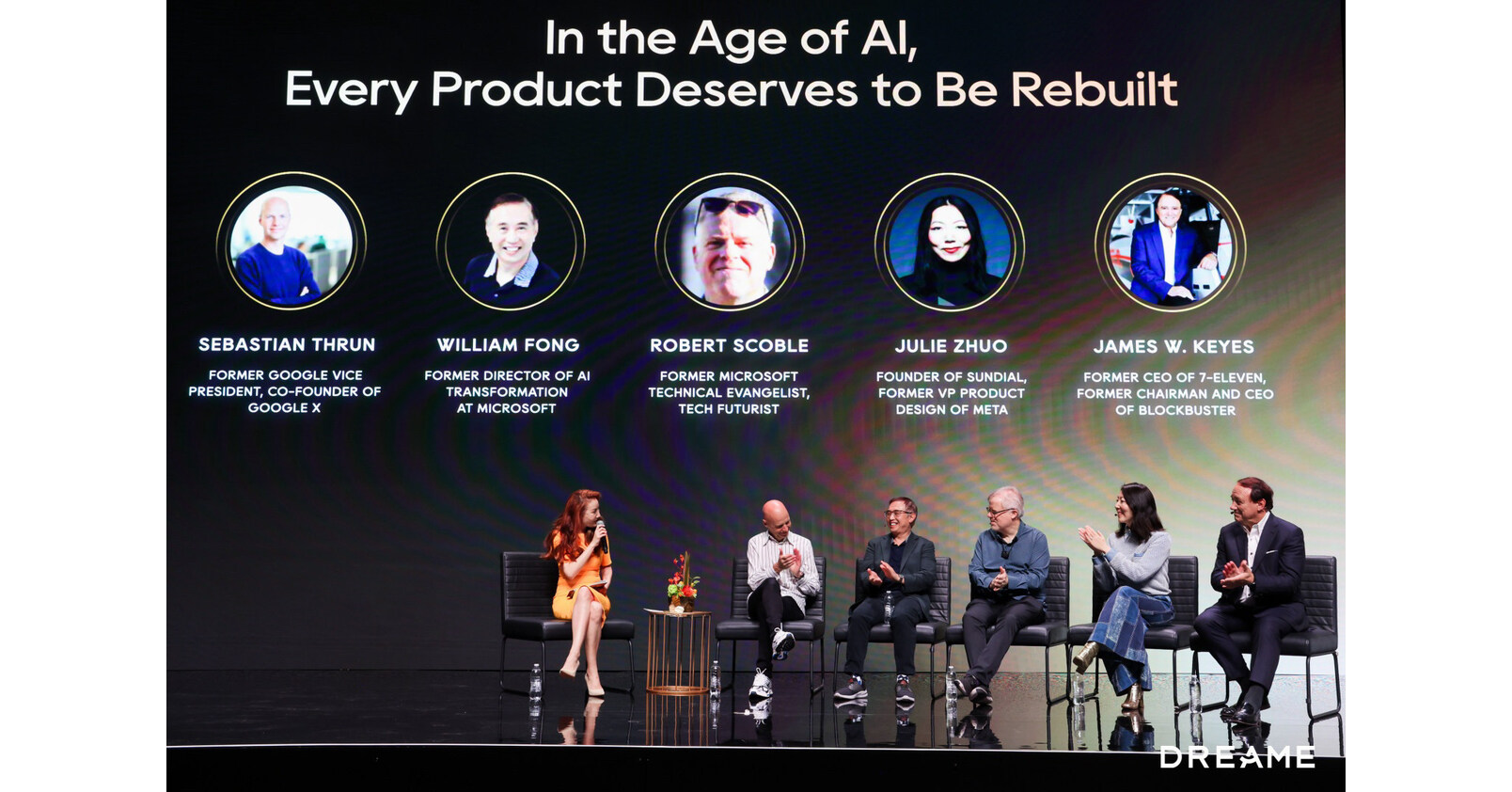
In the Age of AI, Every Product Deserves a Reinvention
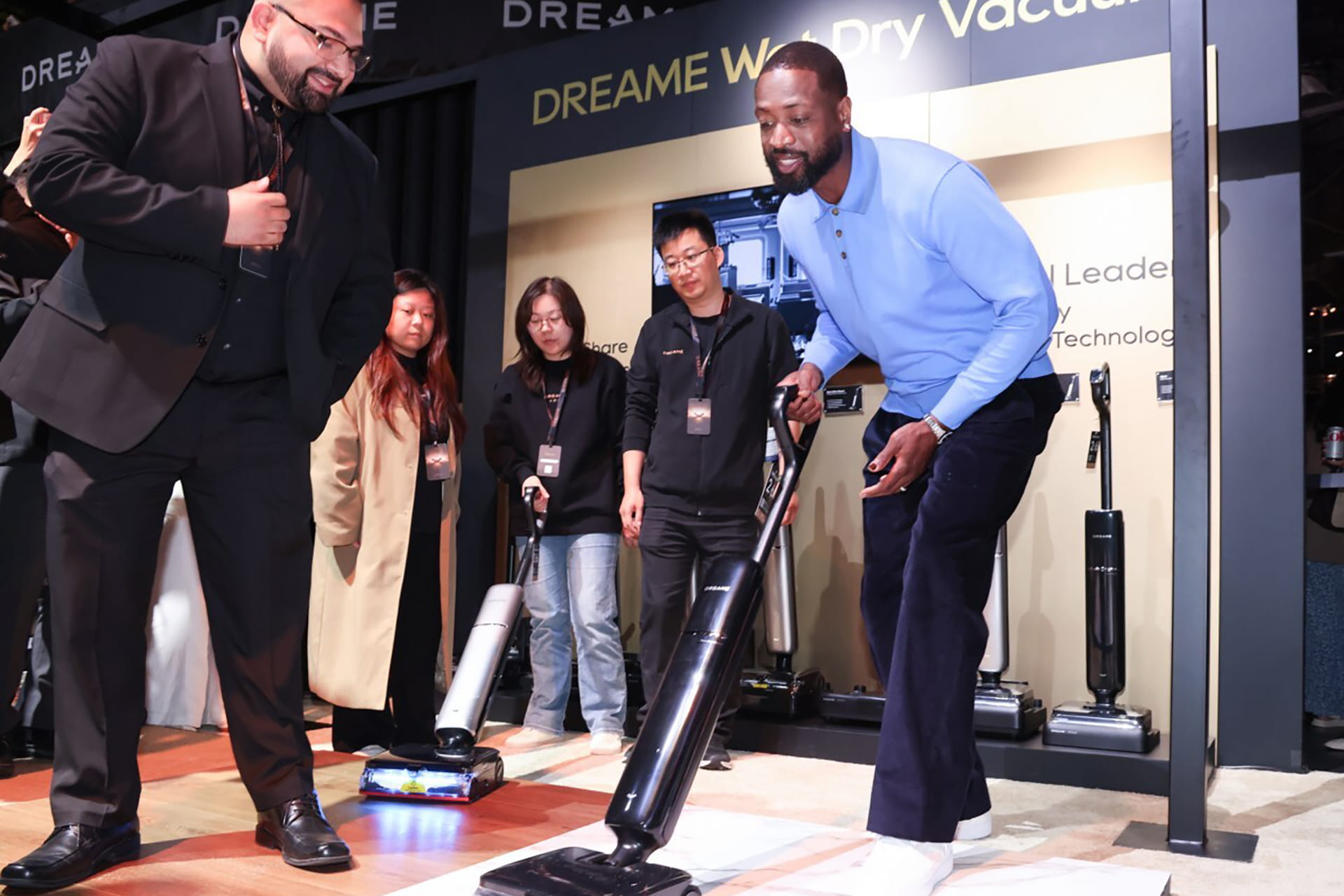
The company is currently pushing Australian retailers to stock a Dreame branded TV, despite the local TV market already being brutally competitive and suffering slowing demand.
But it was Dreame’s “rocket car” concept that drew the most attention , and scepticism.
Originally shown at CES, the four,door electric concept reportedly features four electric motors producing a staggering 1,399kW, or 1,876 horsepower, with claims it can hit 100km/h in just 1.8 seconds.
That would place it in hypercar territory occupied by companies with decades of motorsport and automotive engineering experience , not businesses better known for sucking dust out of carpets.
Curiously, since the CES reveal, little has been heard about the vehicle. No production plans. No launch timeline. No confirmed specifications. Just silence , punctuated by a PR campaign that included flying Australian journalists to San Francisco for the latest brand showcase.
Critics say the company increasingly resembles a technology conglomerate assembled by spinning a wheel of consumer electronics categories and now thinking they are a global brand.
Industry analysts have begun openly questioning Dreame’s aggressive diversification strategy, warning the company risks becoming a “jack,of,all,products, master of none”.
The concern is not simply that Dreame wants to sell robot vacuums, TVs, kitchen appliances and cars all at once , it’s whether the company can adequately support any of them.
That issue is becoming harder to ignore.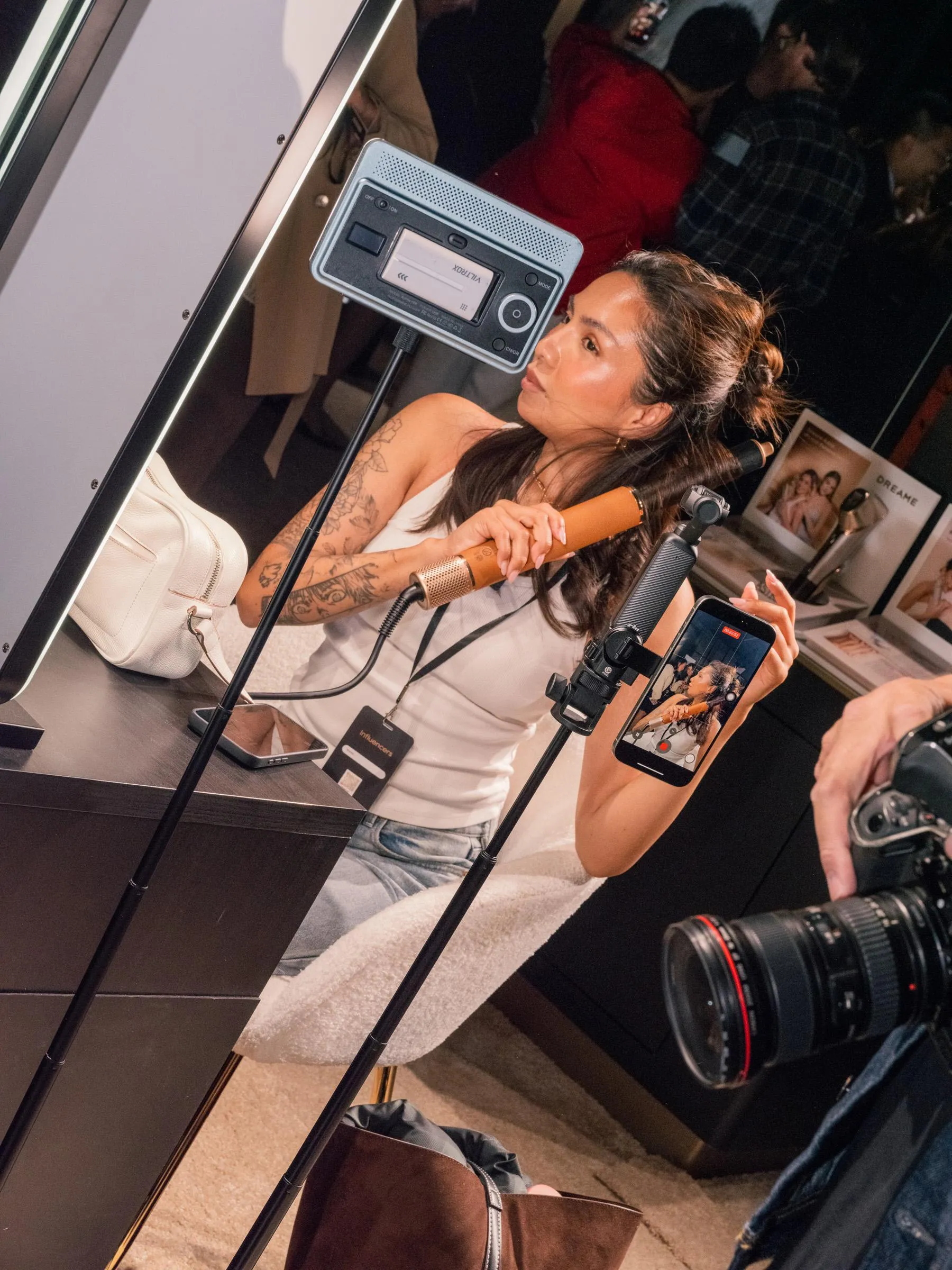
Coinciding with the San Francisco event were mounting complaints online about Dreame’s after,sales support, product reliability and warranty handling in Australia.
Australian consumers posting on ProductReview and Trustpilot , where the company holds poor ratings , have cited unresolved Wi,Fi connectivity issues, hardware failures and lengthy delays obtaining repairs, refunds or even basic customer responses.
A search of Dreame’s Australian operations also raises questions about the scale , or existence , of a meaningful local support infrastructure.
Some early adopters of Dreame’s premium robot vacuums are also unhappy after products originally sold for close to $2,000 were heavily discounted to below $600 within a year , a move that tends to vacuum up brand prestige almost as effectively as pet hair.
The San Francisco event itself also generated controversy after tech evangelist Robert Scoble appeared on a panel titled “In the Age of AI, Every Product Deserves a Reinvention.”
Scoble, who has previously faced allegations of sexual misconduct, drew criticism from observers who questioned why Dreame would invite such a polarising figure to a global brand event already struggling to establish credibility.
For all the futuristic theatrics, analysts say the bigger issue is that Dreame failed to clearly separate concept demonstrations from actual retail,ready products.
The company may well have a vision for the future.
The challenge now is convincing consumers it can reliably service the present.