Proposed Targeted Ad Laws Could Cost OZ TV Networks $450M Each Year
 Nathan Jolly
12 Apr 2023
Nathan Jolly
12 Apr 2023
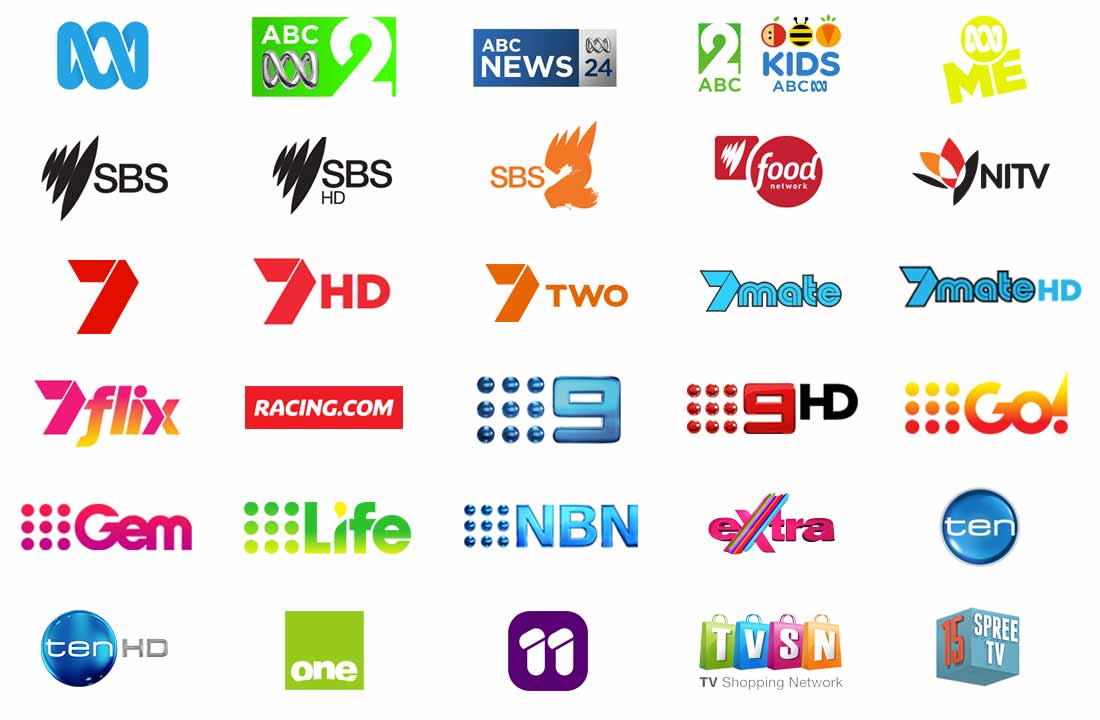
The body representing Australia’s free-to-air networks is arguing that proposed privacy law changes impacting targeted advertising will destroy the growing, $450 million-a-year digital ad space.
The government is seeking to broaden the definition of ‘personal information’, giving citizens the right to opt out of target advertising, and requiring companies to ask users before sharing their personal information with third-parties.
Free TV, the lobby group representing Seven, Nine and Ten, say such changes would be dire.
“It is not an overstatement to say that, if fully implemented, the changes set out in the report threaten the ongoing existence of the [free-to-air] commercial television sector,” Free TV said in a submission to the government.

Over the last decade, free-to-air networks have been building a trove of personal user information, which is required to use their various BVOD services. This information would be largely useless if they were no longer allowed to partner with so-called data-sharing firms such as Equifax, Flybuys and TEG to offer targeted advertising – which can be sold at a premium.
“Without revenue from targeted advertising, the industry as a whole will suffer,” Free TV submitted.
“If our members are unable to offer targeted advertising, based even on the most innocuous information, it will reduce their advertising revenues.
“A reduction in advertising revenues will directly impact the content that our members can produce, meaning there is less high-quality free local TV content for Australians to enjoy.”
Despite the panic, this digital advertising revenue is still a minor slice of the $4.2 billion the three networks raked in through advertising last year.
Free TV argued this fast-growing sector is vital, as viewer numbers for traditional broadcast television continue to dwindle.