Xbox Cloud Gaming Expands To Hisense Vidaa Smart TVs
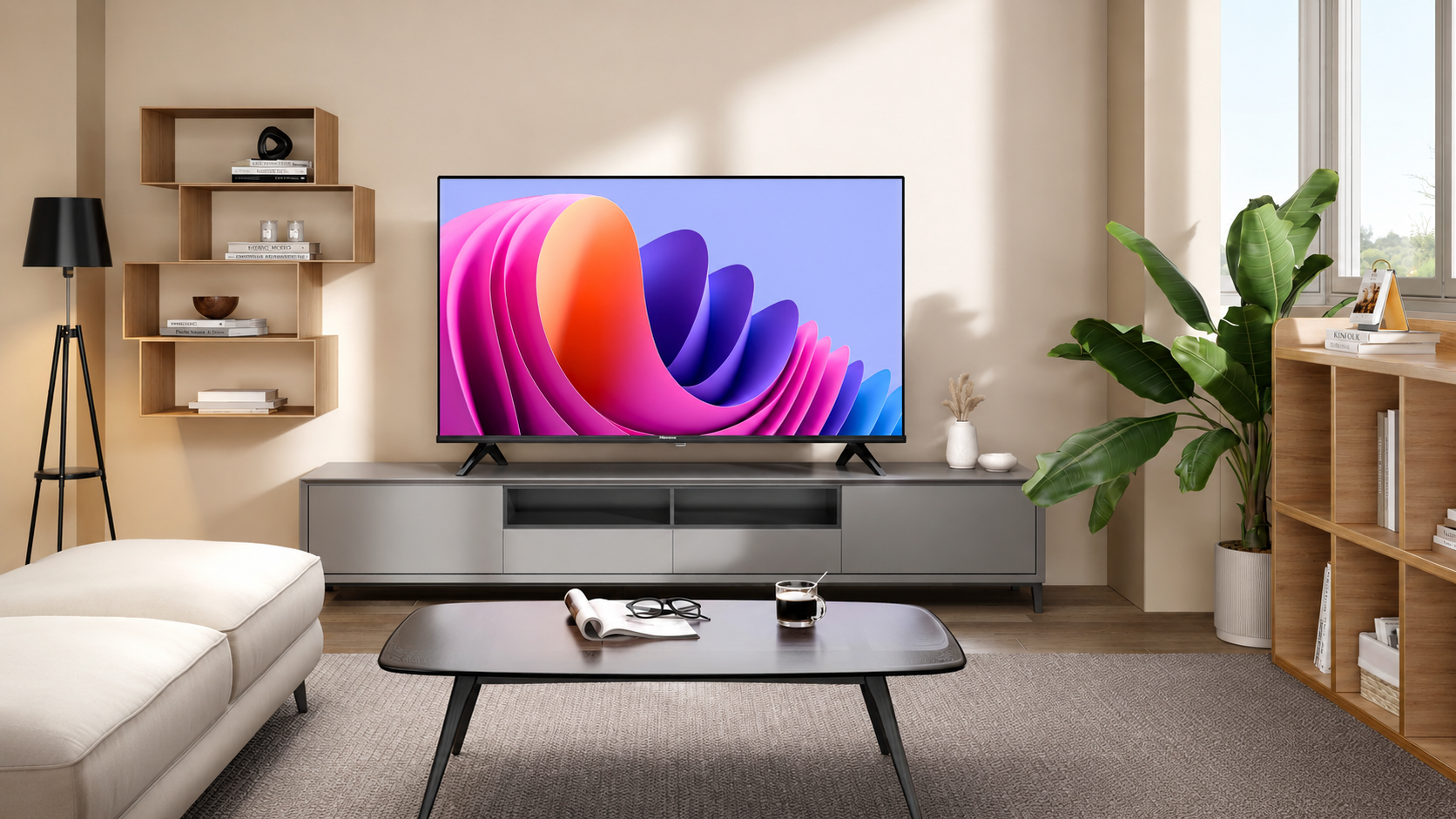
Hisense smart TV owners can now play Xbox games without owning a console, as Microsoft expands its Xbox cloud gaming service to televisions running the Vidaa operating system.
The Xbox app is being rolled out to compatible Hisense TVs released between 2024 and 2026, allowing subscribers to stream games directly from Microsoft’s cloud servers.
The expansion adds Vidaa OS to a growing list of supported platforms that already includes Samsung smart TVs, LG webOS televisions and Amazon Fire TV devices.
Rather than relying on dedicated gaming hardware, the Xbox app streams games over an internet connection. Players simply need a compatible Bluetooth controller and an active Xbox Game Pass subscription to access hundreds of titles through the cloud.
Microsoft says users can pair either an Xbox wireless controller or a compatible PlayStation controller with their television to begin playing.
The service supports a wide library of games included with Xbox Game Pass, while also allowing players to stream selected games they have previously purchased digitally through the Xbox ecosystem.
Popular titles such as Forza Horizon 6 and Halo: Campaign Evolved can now be played directly on compatible Hisense televisions without the need for an Xbox Series X or Series S console.

There are, however, some limitations. Cloud gaming on smart TVs is currently restricted to 1080p resolution with standard dynamic range. Gamers wanting 4K resolution, HDR and Dolby Atmos audio will still require an Xbox Series X console.
The Xbox app is being introduced gradually to devices running Vidaa OS version 9.6 or later. Once the software update has been installed, the app will automatically appear on the television’s home screen.
Hisense televisions running Google TV are not yet supported. Microsoft has previously indicated that Google TV compatibility is expected to arrive later this year, further expanding access to Xbox cloud gaming across additional television platforms.
The rollout reflects Microsoft’s continuing strategy of making Xbox games available on a broader range of devices, placing less emphasis on dedicated gaming consoles and more on cloud-based gaming services that allow users to play wherever compatible hardware is available.