EXCLUSIVE: Telstra’s Fetch TV Struggling, Staff Cut, CFO Exits, and Foundation Partners Walk
 David Richards
07 Nov 2025
David Richards
07 Nov 2025
Telstra’s $50 million bet on Fetch TV is showing signs of strain, with insiders revealing that 27 staff have been axed and the company’s Chief Financial Officer — whose appointment was celebrated earlier this year — has also departed.
The streaming platform, once built on partnerships with Telstra’s rivals Optus and iiNet (owned by Vocus), has now been deserted by both.
Optus confirmed it stopped bundling Fetch TV with its NBN plans in March 2022, while iiNet ceased offering the service to new customers from January 22, 2025.
Telstra, which owns 51.4% of Fetch TV, is believed to be in talks to lure Optus back to the struggling platform.
Some observers claim that Telstra should have cut a deal with Foxtel when they owned 33% of the streaming business before it was sold.
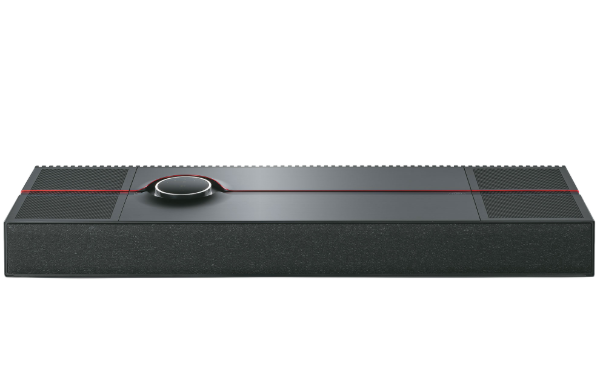
This would have seen the Hubbl puck made available to Telstra customers.
Back in January, former CFO Sarah Alder was promoted to the newly created role of Chief Revenue Officer (CRO), but nine months later, she and several senior executives have exited the company.
The shake-up comes as rival streaming services sharpen their strategies — DAZN is restructuring its Hubbl platform, and Stan is doubling down on sports content.
Former Fetch CEO Scott Lorson (seen below) and ex-marketing director Sue Brenchley also left late last year, Lorson now lists himself as an “advisor” to the business.
Fetch TV was originally positioned to replace Telstra TV, which was powered by US-based Roku.
The plan was to migrate customers to Fetch’s “Mini” and “Mighty” boxes.
When Foxtel launched Hubbl, Fetch’s management boasted that the smaller Fetch Mini would prove “more popular” than Hubbl’s Chromecast-powered device, this has proved not to be the case with the bulk of Fetch products bundled with NBN deals.
Hundreds of consumers have tried the box and decided to stay with Kayo and other streaming options claim insiders.
In January 2025, Telstra reported “robust growth” for Fetch TV in its half-year results, claiming a 20% rise in subscribers. What wasn’t disclosed, insiders say, was how many of those customers actively used their devices — many of which were bundled automatically with Telstra NBN plans.
A key weakness for Fetch has been the lack of premium sports content, leaving it unable to compete with DAZN’s Kayo app or the streaming ecosystems offered by Amazon and Apple, who both sell their own TV devices.
Fetch TV is offered by Telstra as part of bundled broadband packages, integrating free-to-air channels, streaming apps, and optional channel packs. Customers usually pay off their Fetch boxe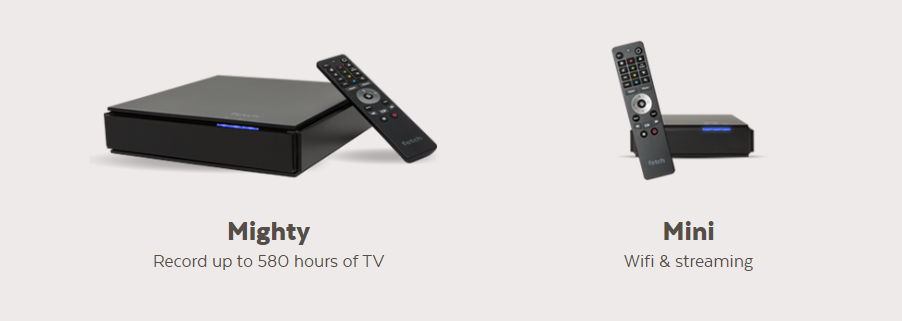 s over 12–24 months.
CEO Dominic Arena, who unveiled his “Fetch 2.0” growth strategy earlier this year, promised a new era of expansion. But insiders say several of the executives appointed under that plan have already departed as the business struggles to gain traction.
Fetch’s other shareholder, Astro Holdings (formerly Astro Overseas Limited), still owns 48.6%. Despite Fetch operating as a standalone company, there is talk that Telstra write off the business or reduce it’s value.
Arena previously claimed the company was targeting one million households — about three million individual users — by FY2030.
Telstra’s August 2025 financial report lists Fetch TV as a standalone cash-generating unit (CGU), maintaining a modest 2.5% terminal growth rate, unchanged from 2024.
The report does not provide specific revenue or EBITDA figures for Fetch, suggesting Telstra may be keeping performance details close to the chest.
Analysts say the conservative growth assumptions reflect limited confidence in the Fetch 2.0 strategy.
The company is believed to be struggling to scale, with thinning margins and reduced leverage following the loss of tens of thousands of Optus and iiNet customers.
Despite the claimed 20% subscriber growth, industry observers are questioning how those numbers are being calculated given the recent partner exodus and declining engagement rates.
Telstra have not commented for this story.