EXCLUSIVE: LG Australia Sales Slump Deepens as Profits Fall, Market Share Erodes and Legal Troubles Mount
 David Richards
19 Jun 2026
David Richards
19 Jun 2026

LG Electronics Australia is facing mounting pressure on multiple fronts after reporting a sharp decline in sales and profits, amid intensifying competition from Chinese rivals, questions over its television strategy, and a looming Federal Court battle involving allegations of workplace misconduct by their CEO are now creating problems for the local subsidary.
New financial accounts lodged by the company reveal revenue plunged from $1.3 billion to $1.02 billion during the 2025 financial year, despite substantial price increases across much of its consumer electronics and appliance portfolio.
The decline raises fresh concerns about LG’s ability to maintain growth in Australia as consumers increasingly turn to lower-priced alternatives from TCL and Hisense, both of which continue to gain market share in key television and appliance categories.
Profitability also weakened, with net profit falling from $26.9 million to $25.6 million. Despite the earnings decline, the Australian subsidiary paid $32 million in dividends to overseas parent companies, exceeding its annual profit.
The results come as LG globally shifts its focus away from traditional consumer electronics and towards business-to-business markets including electric vehicle components, commercial HVAC systems, smart factory technologies and AI infrastructure.
Industry observers have questioned whether LG’s efforts to remain price competitive have come at the expense of product differentiation, with critics claiming the company has removed key features from parts of its OLED television range as it attempts to defend margins against increasingly aggressive Chinese competitors.
The pressure is being felt across the television industry.
Market data for the first quarter of 2026 shows Chinese manufacturers now collectively command 31.8 per cent of the global television market, overtaking the combined 28.5 per cent share held by long-time industry leaders Samsung and LG.
In Australia, TCL and Hisense continue to gain momentum with retailers expanding floor space and ranging for Chinese brands. TCL this week showcased its latest RGB and SQD Mini-LED technology in Sydney, positioning the company directly against premium OLED offerings from LG and Samsung.
While LG remains a dominant player in OLED technology, analysts say the company is struggling to generate meaningful volume growth in the premium television segment.
Hisense and TCL have successfully capitalised on demand for large-screen Mini-LED televisions that deliver premium performance at significantly lower prices, placing increasing pressure on LG’s traditional strengths.
The challenges extend beyond Australia.
Globally, LG’s Media Entertainment Solutions division reportedly recorded losses approaching A$730 million over the past year as weak television demand, rising component costs, geopolitical uncertainty, tariffs and elevated logistics expenses squeezed margins.
The company has responded with aggressive cost-cutting measures, including workforce reductions and a move to bring Australian public relations activities in-house.
Adding to the uncertainty are persistent industry rumours that LG is exploring strategic partnerships or structural changes within its television business. Reports circulating within the consumer electronics sector have suggested the company has examined partnership models similar to Sony’s manufacturing arrangements with TCL, including potential collaboration with Chinese giant Hisense.
Neither LG nor Hisense has publicly confirmed such discussions.

LG Electronics Australia Managing Director Dan (Sang Moo) Lim
Meanwhile, LG Australia is preparing to defend allegations of workplace bullying and unfair dismissal brought by former Human Resources Director Amanda Jackson.
The Company is currently facing action in the Federal Court after the Company’s former Human Resources Director, moved to take legal action against the LG subsidary and their current Managing Director Dan (Sang Moo) Lim for ‘unduly bullying and harassing her” during the execution of her job.
She has also claimed that LG Electronics Korean management, discriminates against Australians in favour of Korean employees.
The matter is scheduled to be heard before the Federal Court in Sydney in October 2026 and is expected to attract significant attention.
Across the Tasman, LG New Zealand also reported declining sales, with revenue falling from NZ$110.7 million to NZ$98.9 million.
The company additionally reduced marketing expenditure during the year, raising further questions about its ability to maintain consumer visibility as competition intensifies.
The latest results continue a troubling pattern for the Korean electronics giant.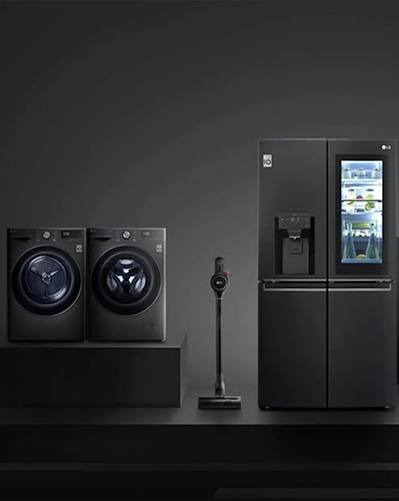
LG generated Australian revenue of $1.087 billion in 2021 and approximately $1.02 billion in 2022, highlighting the company’s inability to achieve sustained growth despite price increases estimated at more than 20% over the period.
At the same time, LG is accelerating efforts to build recurring revenue streams beyond hardware sales.
Globally, the company has expanded premium appliance subscription programs that now generate more than $1.5 billion annually and has explored similar opportunities in Australia.
Perhaps more significantly, LG is increasingly positioning its webOS smart television platform in Australia as a media and advertising business.
The company continues to expand on-screen advertising inventory and develop new commercial opportunities around viewer engagement and audience measurement data.
As the traditional television market slows and Chinese competitors continue their rapid ascent, LG’s Australian business now finds itself at a critical crossroads — balancing shrinking consumer demand, growing legal scrutiny, declining profitability and a strategic shift away from the very products that helped establish its reputation in the local market.