Chinese TV giant showcases next-generation SQD-Mini LED technology in Sydney as analysts warn Samsung, LG and Sony can no longer ignore TCL’s rise
 David Richards
19 Jun 2026
David Richards
19 Jun 2026

TCL Electronics has fired another warning shot at the global television industry, using Sydney’s Museum of Contemporary Art to showcase a new generation of display technology that analysts claim is rapidly reshaping the premium TV market.
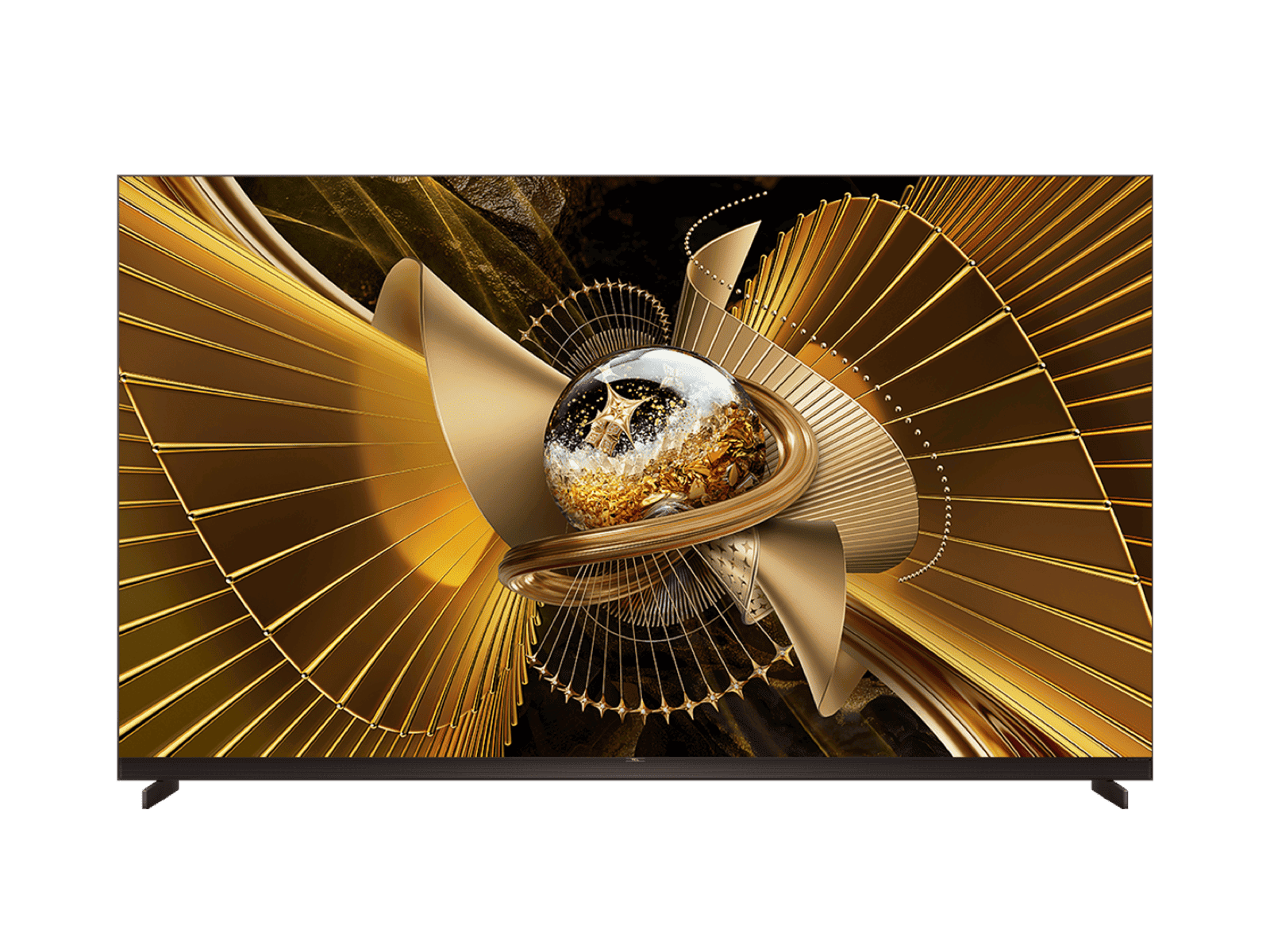
At an exclusive event overlooking Sydney Harbour, TCL unveiled its latest Super Quantum Dot (SQD) Mini-LED television range, delivering a message that would have been difficult to imagine just a few years ago: the company once dismissed as a budget TV supplier is now positioning itself as one of the biggest threats to the industry’s established leaders.
The launch comes as Samsung, LG and Sony face mounting pressure from Chinese manufacturers that have leveraged scale, manufacturing control and aggressive pricing to gain market share in both Australia and globally.
Historically viewed as a value-focused brand, TCL has spent the past several years systematically moving upmarket.
The strategy appears to be paying off.
Retailers including JB Hi-Fi, Harvey Norman and The Good Guys have significantly expanded floor space dedicated to TCL products, while the company’s Australian operation has recently moved into larger offices amid strong local growth.
The centrepiece of the Sydney showcase was T
According to TCL, the latest SQD technology dramatically improves colour purity while reducing colour cross-talk, delivering higher brightness levels, deeper blacks and greater colour accuracy than previous generations of display technology.
“This event was all about bringing our incredible Super Quantum Dot technology to life, showcasing the stunning contrast and vibrant, ultra-colour filter panels that make this range so special,” said Hawke Zhang, Managing Director of TCL Electronics Australia and New Zealand.
The launch also highlighted TCL’s growing confidence in Mini-LED technology, an area where the company claims significant technological leadership.
As the first manufacturer to commercialise Mini-LED televisions in 2019, TCL has doubled down on the technology while rivals invested heavily in OLED.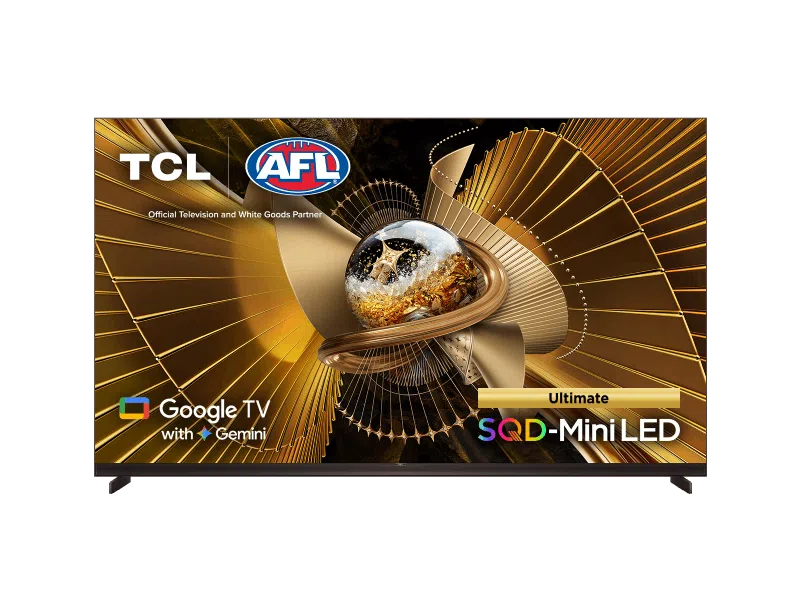
That decision is now attracting renewed attention.
By combining advanced Mini-LED backlighting with Quantum Dot technology, TCL can deliver premium brightness and contrast performance while avoiding the significantly higher manufacturing costs associated with OLED panels.
The result is increasingly compelling for consumers seeking large-screen televisions.
While Australia’s overall TV market remains under pressure, one category continues to experience strong growth: displays measuring 75 inches and above.
This is where TCL’s manufacturing advantages become particularly evident.
Through its vertically integrated supply chain and panel production capabilities, TCL can produce massive television panels at costs many competitors struggle to match.
Industry observers say the company’s ability to deliver 85-inch, 98-inch and even 100-inch-plus televisions at aggressively competitive prices is changing consumer expectations and forcing rivals to rethink premium pricing strategies.
The pressure is already being felt.
LG Electronics Australia recently reported revenue falling from approximately $1.3 billion to $1.02 billion for the 2025 financial year, while Samsung faces what analysts describe as the most credible challenge to its television dominance in decades.
Market data from Omdia and Counterpoint Research shows Chinese television manufacturers, led by TCL and Hisense, now command a larger combined share of the global television market than Samsung and LG.
In a symbolic milestone, TCL briefly overtook Samsung in global television shipments during December 2025, capturing 16 per cent of worldwide unit sales.
The disruption extends beyond South Korea.
Sony, long regarded as the benchmark for premium image processing and picture quality, has also found itself squeezed between declining volumes and escalating manufacturing costs.
The challenge became so significant that Sony and TCL announced a definitive agreement earlier this year to establish a new Bravia joint venture, scheduled to commence operations in 2027.
Under the arrangement, TCL will acquire a majority stake and assume control of Sony’s global home entertainment operations, including manufacturing facilities, logistics and customer support infrastructure.
For many analysts, the deal represents the ultimate validation of TCL’s transformation from low-cost challenger to global industry heavyweight.
Sony brings world-class image processing expertise and decades of premium brand equity. TCL contributes manufacturing scale, supply-chain control and financial firepower.
The combination has sparked speculation across the home theatre industry about the future of OLED technology.
Sony’s premium televisions have traditionally relied on OLED panels sourced from LG Display and Samsung Display. TCL, however, has invested overwhelmingly in Mini-LED technologies rather than OLED production.
Industry analysts are now watching closely to see whether TCL’s growing influence within the Bravia ecosystem ultimately accelerates a broader shift away from expensive OLED panels in favour of advanced Mini-LED alternatives.
If that occurs, it would represent one of the most significant strategic shifts the television industry has seen in more than a decade.
At the Sydney event, attendees experienced TCL’s latest technology inside a purpose-built darkroom environment designed to demonstrate the full capabilities of the new SQD-Mini LED range.
Guests were shown the televisions operating in a completely dark, soundproofed space, allowing TCL to showcase the brightness, colour volume and black-level performance of its latest displays.
TCL Australia Product Manager Richard Falzon reinforced the company’s long-term commitment to Mini-LED innovation, noting that TCL was the first company to bring the technology to market and continues to invest heavily in its development.
The company’s 2026 television lineup also introduces Google Gemini AI integration across the range, making TCL the first television manufacturer globally to ship televisions with Gemini pre-installed.
What was once considered a value television brand is now challenging the industry’s most established players across technology, manufacturing and scale.
And after last night’s demonstration in Sydney, TCL appears determined to convince both retailers and consumers that the future of premium television may no longer belong to the traditional market leaders.