EXCLUSIVE: BOE Tipped To Be Chasing Philips TV Deal Days After Sony TCL Merger
 David Richards
30 Jan 2026
David Richards
30 Jan 2026

Just days after it emerged that Chinese television giant TCL has reached an agreement to take a controlling 51 per cent stake in a joint venture that will manufacture and sell Sony Bravia televisions, fresh evidence has surfaced that another major Chinese player is making a new move of its own.
Industry sources have confirmed that BOE Technology Group, the Chinese government-backed display panel powerhouse, has re-engaged in talks with TP Vision in a move that could ultimately see BOE take control of the Philips TV and audio businesses.
What initially began as discussions around a strategic investment in TPV Technology — the Hong Kong-based parent company of TP Vision — has now escalated into talks centred on full control or a joint venture structure. The shift would dramatically expand BOE’s role beyond panel manufacturing into direct ownership of global consumer electronics brands and distribution channels.
If completed, the deal would represent another significant step in what many analysts now describe as a deliberate Chinese strategy to reshape the global television and display industry from the ground up.
Pressure Mounts on Samsung and LG
The implications would be profound. BOE is already the world’s largest display panel manufacturer, supplying LCD and OLED panels to brands including Hisense, Samsung and Philips. It is also a major supplier to Apple across smartphones, tablets and notebooks.
A takeover or controlling stake in TP Vision would allow BOE to vertically integrate its operations — combining panel production with branded end-devices — in much the same way Samsung has long done. This would place significant pressure on rivals, particularly LG Display, which remains heavily reliant on third-party TV brands to sell its OLED panels.
BOE is set to bring a major new OLED manufacturing facility online, a move that analysts say could intensify price competition in the premium TV segment while simultaneously shifting power away from traditional Korean display makers.

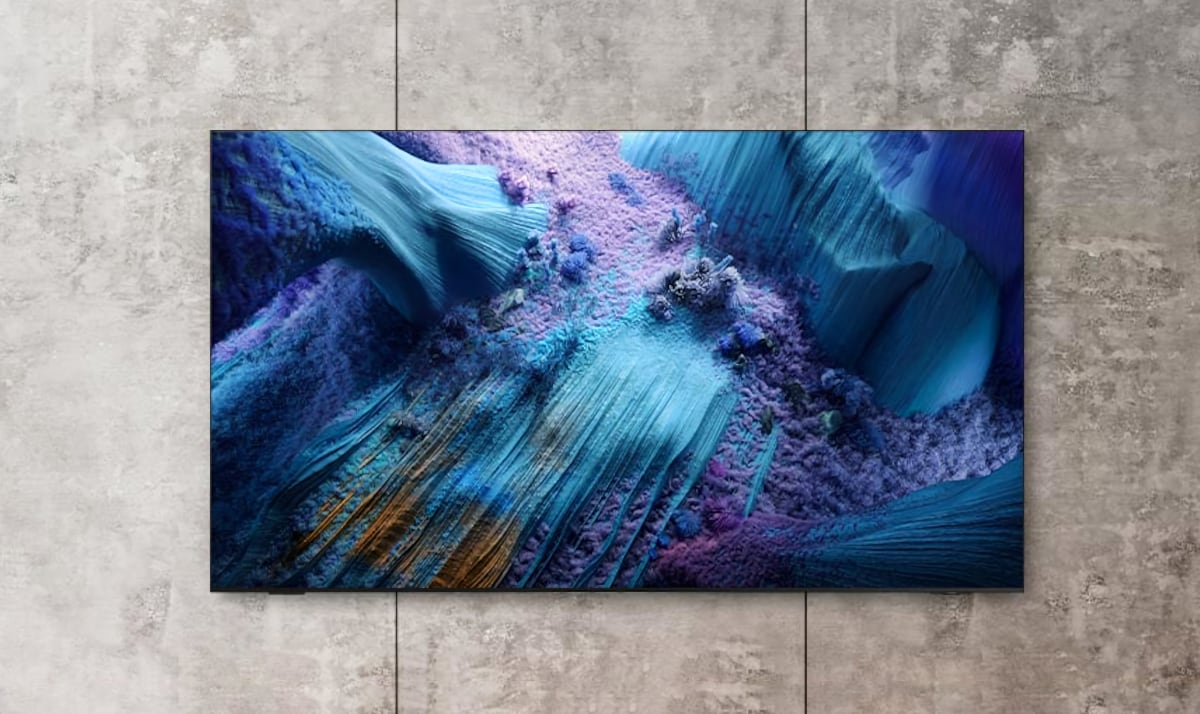
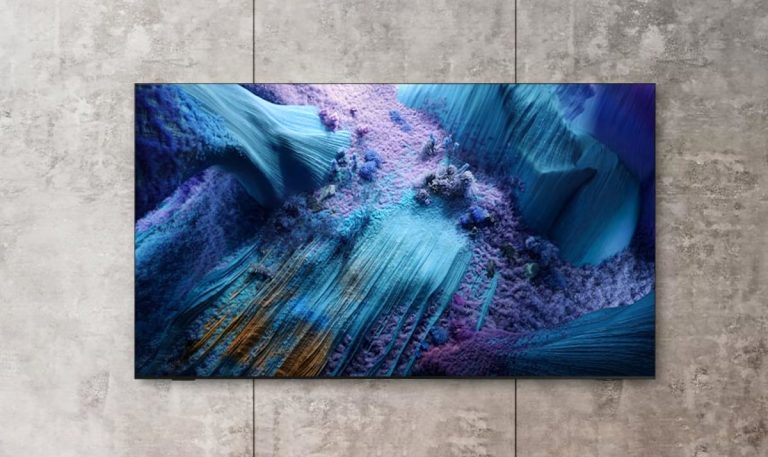
Philips an award winning TV brand
“One of BOE’s key advantages is that it already manufactures panels for TP Vision products,” said one industry insider. “That makes the industrial logic of the deal very compelling.”
Philips Brand and AOC Under One Roof
If the deal proceeds, BOE would gain licensing rights to the Philips brand for televisions and audio products, while also bringing TPV’s AOC brand — particularly strong in Asian markets — under its control.
Previous attempts by BOE to secure a strategic stake in TPV Technology have failed to materialise. However, multiple sources suggest the recently announced Sony–TCL deal, combined with renewed encouragement from the Chinese government, has reignited talks.
We are told BOE management was made aware of the pending Sony–TCL joint venture several months ago, prompting a fresh approach to TP Vision. The timing is unlikely to be coincidental.
Sony–TCL Deal Sends Shockwaves Through Premium TV Market
The Sony–TCL partnership has already sent shockwaves through the premium TV market. Sony, long regarded as one of the last remaining independent premium TV brands, has effectively conceded that competing at scale without Chinese manufacturing muscle is no longer viable.
For TCL, the deal provides instant credibility at the high end of the market — particularly in regions where Sony’s brand still commands strong pricing power. For Sony, it offers cost relief, supply chain stability, and access to TCL’s rapidly advancing Mini-LED and LCD manufacturing capabilities.
The ripple effect is now being felt across the industry.
Currently retailers are grappling with shrinking margins and softer demand, while premium brands are under pressure to deliver innovation without escalating costs.
The Sony–TCL deal has effectively validated a new model: Chinese manufacturing scale paired with Western brand equity.
BOE’s pursuit of TP Vision appears to follow the same blueprint.
Regulatory Hurdles Loom Large
However, significant obstacles remain. TP Vision is headquartered in the Netherlands and holds a major share of the European TV market.
Any sale to a Chinese state-linked entity would almost certainly attract intense regulatory scrutiny from the European Union.
Concerns around data privacy, market competition, and so-called “strategic autonomy” are expected to be front and centre, particularly as televisions increasingly function as connected, data-driven devices.
Analysts note that while the industrial synergy between a panel maker like BOE and a TV manufacturer like TPV is “natural,” previous negotiations have stalled due to the high valuation of TPV Technology and the complexity of the Philips brand licensing agreement, which runs until at least the late 2020s.
TP Vision’s Market Position
TP Vision continues to position Philips as a premium television brand — a segment retailers are increasingly reliant on amid a global slump in mass-market TV demand.
At CES 2026, TP Vision was announced as a primary launch partner for Dolby Vision 2, unveiling new OLED models including the OLED951 and OLED911. The company has deliberately focused on differentiation through picture processing, design and premium features rather than volume.
In Australia, however, the Philips TV presence remains fragmented. Sydney-based distributor Tempo currently sells a sub-$1,500 range of Philips TVs to retailers, alongside Philips audio products, while TP Vision’s premium models are largely absent from the local market.
TP Vision does not disclose financial results, as it remains privately held under TPV Technology, which itself has undergone recent restructurings including share listings and ownership shifts.
A Turning Point for the Global TV Industry
Taken together, the Sony–TCL deal and BOE’s renewed push for TP Vision point to a clear inflection point for the global TV industry.
Chinese manufacturers are no longer content to sit quietly behind the scenes as component suppliers. Instead, they are moving aggressively to control brands, channels and end-customer relationships — a shift that could permanently alter the balance of power in the premium TV market.
As one analyst put it: “The question is no longer whether Chinese companies will dominate global TV manufacturing. It’s whether any major premium brand can survive without them.”
If BOE succeeds where it previously failed, Philips could soon join Sony in a growing list of iconic brands whose future is being shaped — and increasingly controlled — in China.