Dicker Data Shares Crash As Company Reports Profit Decline
 Varun Godinho
28 Feb 2025
Varun Godinho
28 Feb 2025

Sydney based distributor Dicker Data has reported a 2.9% increase in revenue to $3.37 billion for its 2024 financial year, with its chairman stating that the company was impacted by events “out of our control”. Its shares fell 7.2% at 2.00pm on the news.
The company also reported its pre-tax net profit declined 2.8% year-on-year to $113.2 million.
“As I said last year, the last few years have been difficult. We have been adversely affected by events completely out of our control. We may have been guilty of not adjusting as quickly as we should have,” admitted Chairman and CEO, David Dicker, who once famously referred to Australia as an “authoritarian shithole”.
In the last 12 months, it has lost nearly a third of its share value.
“In 2025, we are fully focused on returning to sold growth in both sales and profits. We will be making some aggressive changes to achieve these goals. I want to assure all shareholders that I am firmly focused on achieving the targets we have set for this year.”
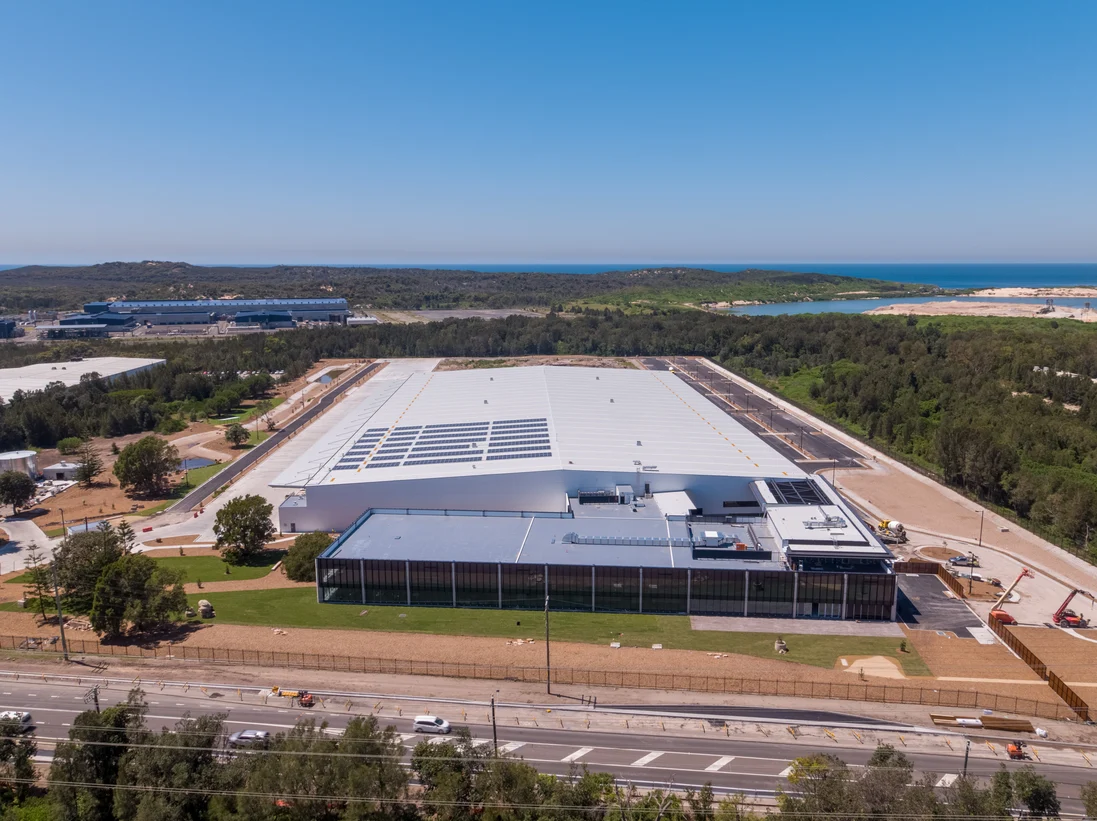
While sales declined in the first half of last year, they increased in the second half. In the fourth quarter of the year, typically boosted by end-of-year sales by retailers, Dicker Data saw gross sales totalling $949 million, up 10% year-on year.
Profitability also improved in the fourth quarter, with profit before tax of $39.5 million, a 21% quarter-on-quarter growth.
The company stated that it faced a challenging market last year, with the Australian and New Zealand markets facing inflation and high interest rates.
The company’s New Zealand operation delivered significant improvements, with gross profit margin increasing 150 basis points to 12.1%, up from 10.6 per cent in the previous year. Meanwhile, its Australian gross profit margin remained stable at 14.6%.
Operating expenses increased 6% to $182.4 million, which the company attributed to additional costs related to bad debts and increased bad debt provisioning.

Top performing technologies last year included cybersecurity, data management and those associated with Artificial Intelligence deployments.
The company added 12 new vendors last year including Adobe, Hikvision, Nothing and Jabra, delivering an incremental $81.8 million in revenue.
Out of the existing portfolio, Dell, Lenovo, Microsoft, Cisco and HP were its top vendors.
The anticipated PC refresh cycle, triggered by the impending end of support for Windows 10 in October this year, along with the introduction of Copilot+ AI-backed PCs last year, has begun to drive demand for more PCs.
“The macroeconomic conditions weighing on Australia and New Zealand impacted the refresh rate, with many end customers expected to now upgrade their device fleets throughout the 2025 calendar year,” said the company in a statement to the ASX.
“Interestingly, despite industry predictions that AI-enabled devices would make up a high single-digit percentage of the overall refresh opportunity, the company has been selling these devices at nearly triple the expected rate. This trend highlights the early-adopter mentality among Australian and New Zealand businesses and indicates the device mix needed to support the Windows 10 end-of-support refresh in FY25.”