COMMENT: New Subscription Era For Tech Gear, Where Does It Leave Retailers & Carriers?
 David Richards
08 Apr 2022
David Richards
08 Apr 2022

A new era could dawn in September.
With Apple tipped to copy Samsung with a subscription-only model financed by the US company, the big question is where this leaves retailers; both the likes of Optus and Telstra, as well as JB Hi-Fi, who is the biggest seller of smartphones and Apple products, outside of Apple stores.
Shortly, if the rumours are right, consumers will be able to bundle Apple and potentially some third-party products together, with only one monthly payment. At the end of a nominated period, Apple will replace a leased iPhone or Mac PC with a new one – a bit like car dealers do right now.
Apple already sucks more dollars out of owners of their hardware than any other brand, and come September, the much talked about new way of buying an Apple product could change the way consumers actually buy technology.
There is already speculation that the only way to buy an Apple smartphone will be via a subscription, or via an Apple store, with retailers who currently sell Apple products being allowed to sell a subscription. How much margin they would make has not been revealed.
Samsung is already selling a subscription package that allows users and business to basically lease a combination of products from the South Korean brand.
Apple, whose products are overpriced and not necessarily as good as Samsung, now wants to lock customers in so that they can charge them the full retail price for a product while making it harder for them to leave the Apple ecosystem.
Basically, Apple’s subscription service will squeeze more revenue from its giant user base while shaking up the overall market for smartphones, notebooks and tablets which can be bundled into a package.
So where does that leave their competitors?

Credit: nikkimeel/Shutterstock.com
The brand that could gain from this is Lenovo, who own Motorola.
Between them they have an arsenal of products that consumers could bundle into a subscription package, including a smartphone, tablet, PC, as well as SmartHouse products.
Apart from a Motorola smartphone, there are Lenovo tablets and a vast range of notebooks that could easily be branded Motorola or simply left as Lenovo.
They also have a range of gaming products that could easily be bundled into a subscription package.
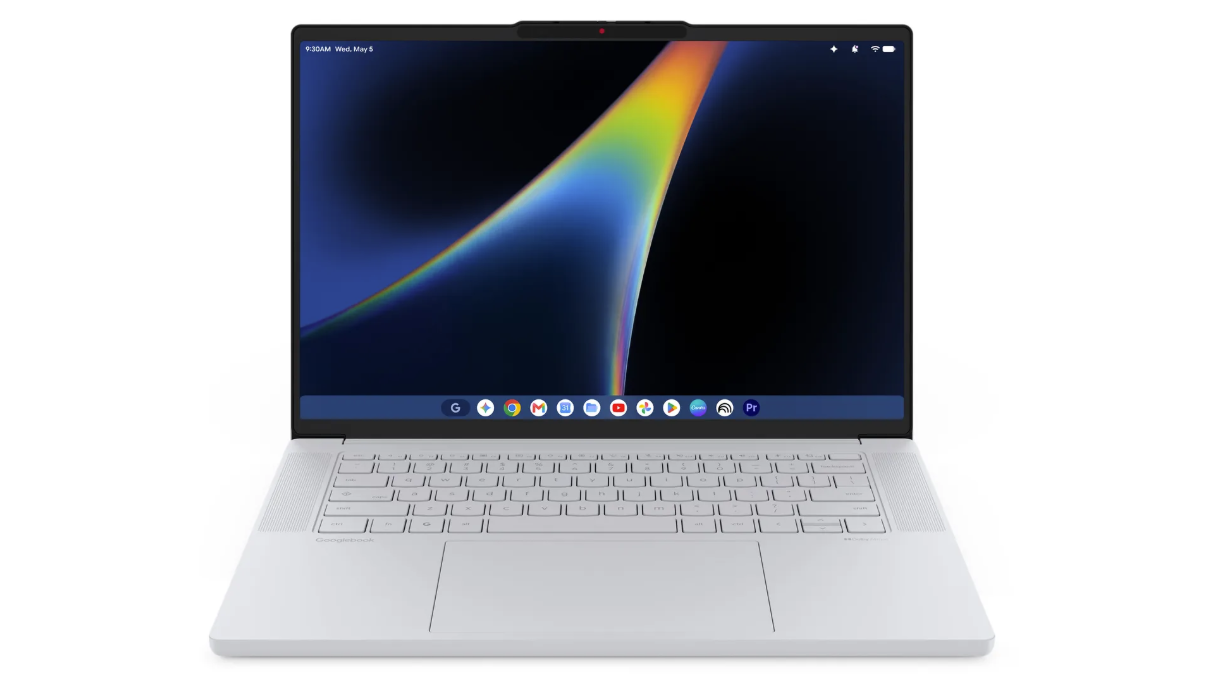
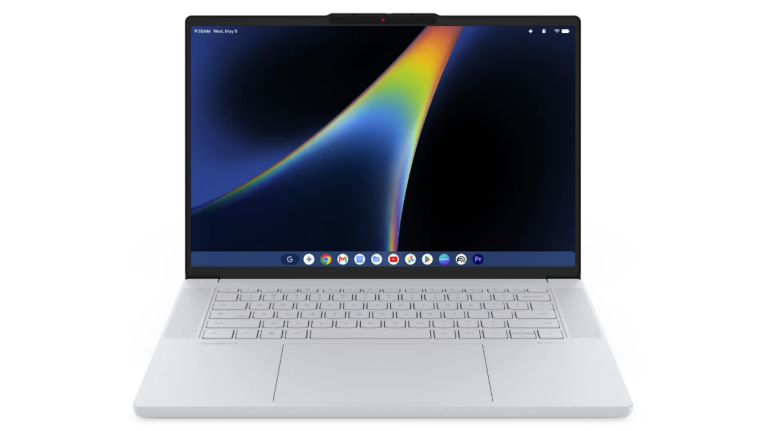
Another brand that could move quite easily to a subscription model is Google. They already have a range of smartphones, Chromebooks, as well as smart network speakers that can be used to control a home.
Apple, Samsung, Google and Lenovo are also in a position to offer financing – unlike retailers, who are having to cut deals with organisations such as Latitude.
The move to a subscription model could shake up the buying process in Australia with both carriers and retailers set to be impacted by big overseas companies.
According to Counterpoint Research, the average iPhone sales price is between $1,100 and $1,500. This means Apple is generating a bit over $1,300 from the typical iPhone customer every three years.
That’s exactly why Apple is working on a subscription service.
They want to boost the revenue they generate from an iPhone customer while at the same time getting the old phone back, which they will sell to third world countries.
Sources have told ChannelNews that they don’t want refurbished Apple products sold in Australia as it will affect the sale of a new phone or notebook.
But Apple is suddenly able to generate significantly more money per consumer.
And the benefit for customers would be not having to shell out hundreds of dollars upfront for a new iPhone.
They’d also get the latest model every year instead of every three years.
The company could make additional money if the program is tied to its high-margin Apple One digital services bundles and AppleCare.
Both Apple and Samsung are set to invest heavily in marketing their subscription model, as it eliminates the need to pay a margin to retailers, allows them to hold up the price of a new device, while also increasing revenues from financing the rental deal. They also benefit from the steady influx of older phones, which it can turn around and sell again.
Currently Apple generates 40%-plus margins on iPhone hardware, so it’s a lucrative business already. Being able to increase margin via a subscription model is seen as the way to go for the Californian company.
Bloomberg said recently that, in the long term, Apple will be raking in much more cash than they would without a subscription offering.
The iPhone has a fairly low attrition rate, and users in this program may very well stick around for a decade or more.
That’s more than $5,000 in revenue, per customer, per decade, just on the mid-range iPhones.
When you finance a car, you are paying off the entire price of the vehicle over, let’s say, 36 to 48 months. When your payments are done, you fully own the car and it’s yours to keep.
When you have a novation lease you have to give it back when the term is over, buy a new car, or work out a new payment plan to pay off the amount still owing.
An iPhone hardware subscription will most likely be more like a lease because you are paying a fee that is not simply the cost of the iPhone split up over two years.
You’re paying off a portion of the value of the iPhone, but you never fully own it.
And you can replace it when a new version comes out—just like with a car lease.
According to sources, Apple is working on a secret project to “break out” from its existing financial system with the company serious about making a splash in the financial services world.
They are a trillion-dollar company with over A$267 Billion in cash reserves.
In addition to working on a hardware subscription service and a “buy now, pay later” offering, the company is developing its own financial back end and payment-processing technology to support future services with little reliance on partners.
And this is where they could face a clash with finance industry regulators in Australia.
The company has always pushed a unified package for its products and developing its own technology for fintech services is a clear part of that strategy.
The big issue in Australia is: where does this model leave their retail partners and carriers?