Collision Course:NRL Rights War Explodes Amid Historic Economic Collapse
 David Richards
14 Apr 2026
David Richards
14 Apr 2026

NRL Chairman Peter V’landy is locked in a high-stakes standoff with Australia’s media titans, chasing a record-breaking $4 billion-plus broadcast deal while the nation’s commercial landscape crumbles around him.
As the league targets a doubling of its current $2 billion valuation, it faces a brutal reality: the TV advertising revenue that fuels sports rights is under siege. Data from the latest NAB Business Survey reveals a catastrophic collapse in business confidence—the second-largest monthly fall in the survey’s 37-year history—as soaring price pressures force consumers to shutter their wallets.
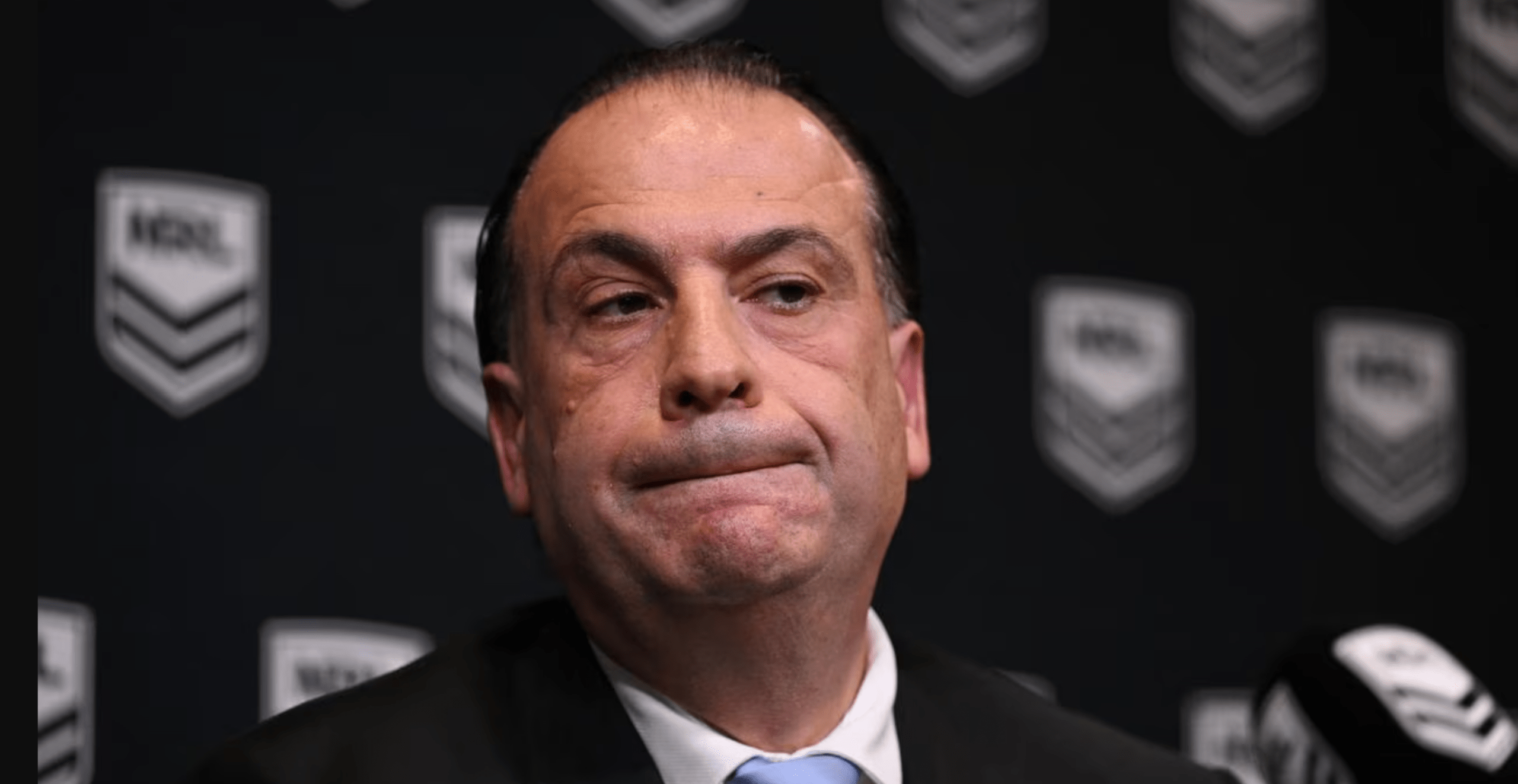
NRL Chairman Peter V’landy
The $4 Billion Gamble
V’landy’s “big ask” comes at a time of extreme vulnerability for local broadcasters. Nine Entertainment, the league’s free-to-air cornerstone, has seen its market capitalization crater from $4.96 billion in 2021 to a mere $1.6 billion today. Analysts warn that overpaying for the post-2027 rights could transform the NRL contract from a crown jewel into a “financial albatross” for the struggling network.
Despite the carnage, the NRL is leveraging a powerful hand:
Massive Reach: 25 million viewers recorded so far this season.
Live Engagement: Ground attendance has surged by 20% in 2026.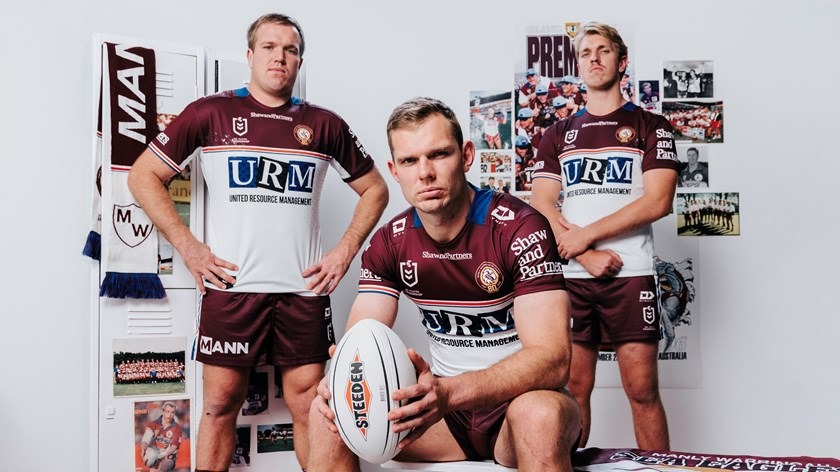
Global Ambition: A desperate search for a “White Knight” in Amazon, Google, or Apple to spark a bidding war.
The algorithmic Verdict Who Will Survive the bidding war
In an industry first, predictive AI models were deployed to analyze market data, sentiment, and historical bidding patterns. The machines suggest that while the NRL may get its money, the broadcast landscape will be unrecognizable.
1. The “Status Quo” Hybrid (Probability: HIGH)
AI predicts that Nine and Foxtel/Kayo remain the favorites, but their dominance will be cannibalized.
The Logic: They possess the existing production infrastructure and the Kayo subscription engine and millions of subscribers to all sports codes in Australia including AFL.
The Catch: They will likely lose exclusivity. AI forecasts a “fragmented” deal where incumbents are forced to surrender high-value inventory—such as a marquee night game or digital rights—to manage costs.
2. The Seven Network “Disruption” (Probability: MEDIUM-HIGH)
The Seven Network has emerged as a lethal predator in this cycle. Having already secured the 2026 Rugby League World Cup, Seven is signaling a “winter pillar” strategy.
The Forecast: AI predicts Seven could successfully “cherry-pick” the State of Origin or a share of the Finals, breaking Nine’s long-standing grip on the code’s biggest events.
3. The DAZN/Global Factor
With Netflix officially out of the running, the NRL is pivoting toward DAZN (part-owned by News Corp) to anchor a global streaming play. Analysts suggest the NRL may adopt a U.S.-style model, slicing rights into distinct packages to maximize total yield from multiple partners rather than a single “all-in” buyer.
The bottom line
“The NRL is deliberately engineering a bidding war in a market where there is no money,” one banking analyst told ChannelNews.
While V’landy chases the richest deal in Australian history, the AI prediction is clear: The NRL may achieve its $4 billion valuation, but it will come at the cost of the fan’s convenience. As rights are split to extract every dollar, viewers should prepare for a future where more games sit behind multiple streaming paywalls, even as the economic crisis threatens could force thousands of households to hit “cancel” on their subscriptions.
The big winner is Foxtel because of their International links and their massive Kayo subscription base of die hard sports fans.