EV Builder BYD Among Apple’s Top iPad Assemblers
 Varun Godinho
03 Dec 2024
Varun Godinho
03 Dec 2024

China’s biggest EV maker, BYD, whose Atto 3 SUV, Shark 6 ute and Seal sedan are available in Australia, has become one of Apple’s top iPad assemblers.
While BYD’s main business is making EVs, it is also now believed to assemble more than 30% of Apple’s tablets.
The company said it had more than 10,000 engineers and around 100,000 employees dedicated to the “fruit chain,” the local term for Apple’s supply chain, reported the Wall Street Journal.
BYD reported third-quarter revenue of about A$43.23 billion (more than beating Tesla’s figure of A$38.6 billion). BYD Electronic, the company’s contract-manufacturing arm, had revenue of about A$9.26 billion in the quarter.

Apart from Apple, BYD’s other contract clients include Xiaomi and Huawei. BYD helps assemble Xiaomi phones and also supplies some technology that Xiaomi uses in its cars. Huawei, which makes both phones and EV software, sometimes displays phones and cars side-by-side in its showrooms.
BYD said that it also works with Apple’s rival Samsung, supplying hinge-related components for some of Samsung’s foldable phones.
In March, Apple’s chief executive Tim Cook met BYD founder and chairman Wang Chuanfu at Apple’s office, where Wang and his staff showed Cook a miniature model of the iPad production system.
Cook noted on Chinese social media that BYD was among the Apple suppliers “pushing the boundaries of what’s possible.”
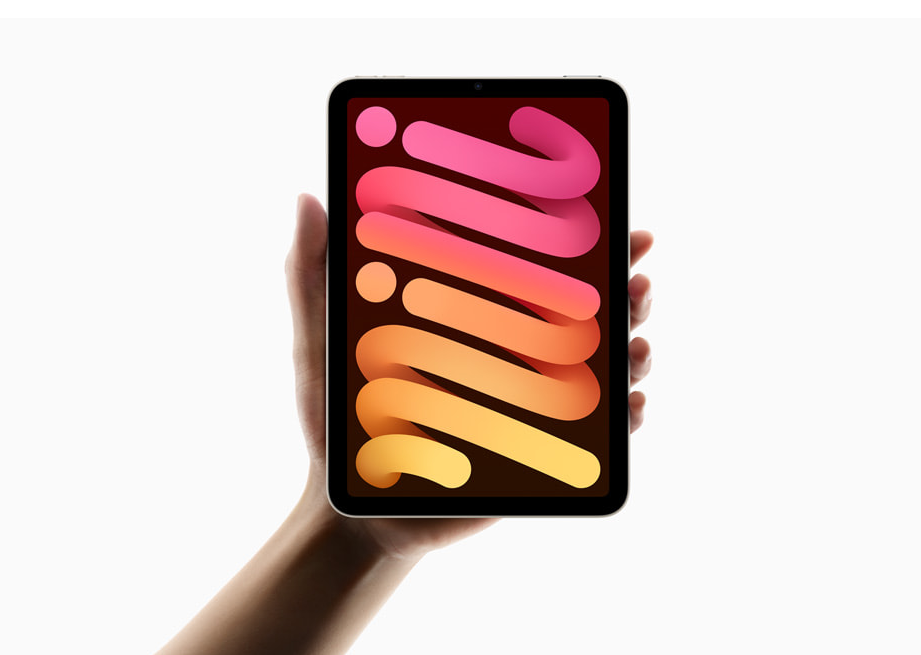
Apple’s 2024 iPad Mini.
Apple has moved some of its iPhone production to countries such as India and Vietnam in an effort to shift its manufacturing dependence on China.
Partnering with BYD allows Apple to diversify its suppliers away from Taiwanese assembler Foxconn that makes most of its iPhones and iPads.
At the moment, BYD isn’t in the running to assemble completed iPhones, but is believed to be taking a bigger role in iPhone components such as the titanium frame.
BYD is also helping Apple expand beyond China. It has helped Apple in countries such as Vietnam. BYD already makes smartphones in India for brands such as Xiaomi, and could help Apple expand there if asked by the Cupertino-based company, said Ivan Lam, an analyst with Counterpoint Research.
The Chinese company has indicated that its next big thing would be developing AI-powered robots together with Nvidia for factories.