CES 2026: Nvidia Goes Big on AI, Autonomy and Robotics
 Joe Gallop
06 Jan 2026
Joe Gallop
06 Jan 2026
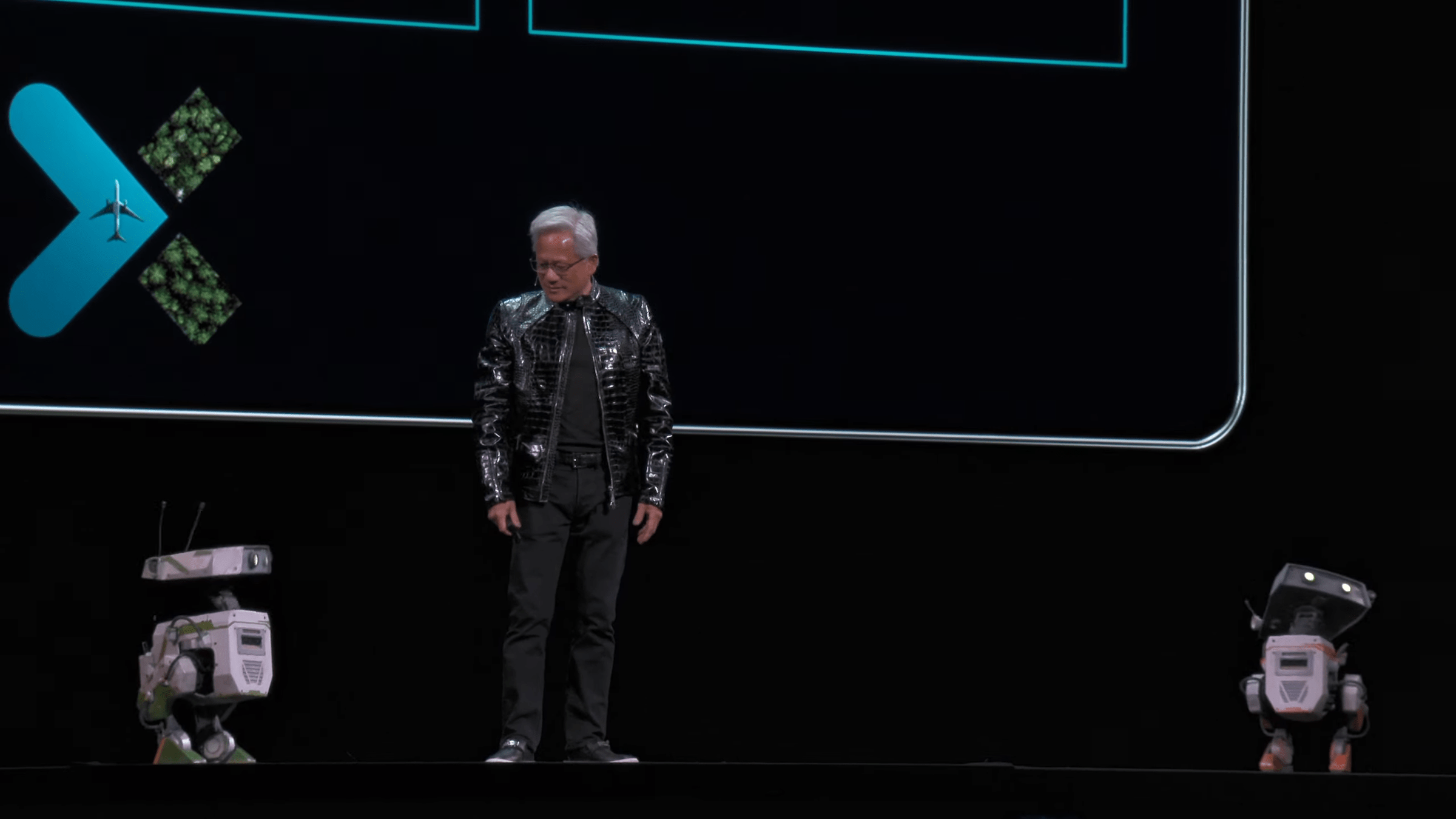
Nvidia has used its CES 2026 keynote in Las Vegas to reinforce its dominance in artificial intelligence, announcing a new generation of data-centre hardware, open AI models for autonomous vehicles and expanded robotics technology – but leaving gamers waiting for consumer GPU news.
Front and centre was Vera Rubin, Nvidia’s next major AI platform, which the company confirmed is now in full production.
Rather than a single chip, Vera Rubin is a tightly integrated system combining a new Vera CPU and Rubin GPUs with networking, storage and security silicon.
Nvidia says the design can slash inference costs by up to 10 times compared with its previous Blackwell platform, while training large “mixture-of-experts” AI models with four times fewer GPUs.
The platform is aimed at hyperscalers and enterprise AI customers building what Nvidia calls “AI factories”.
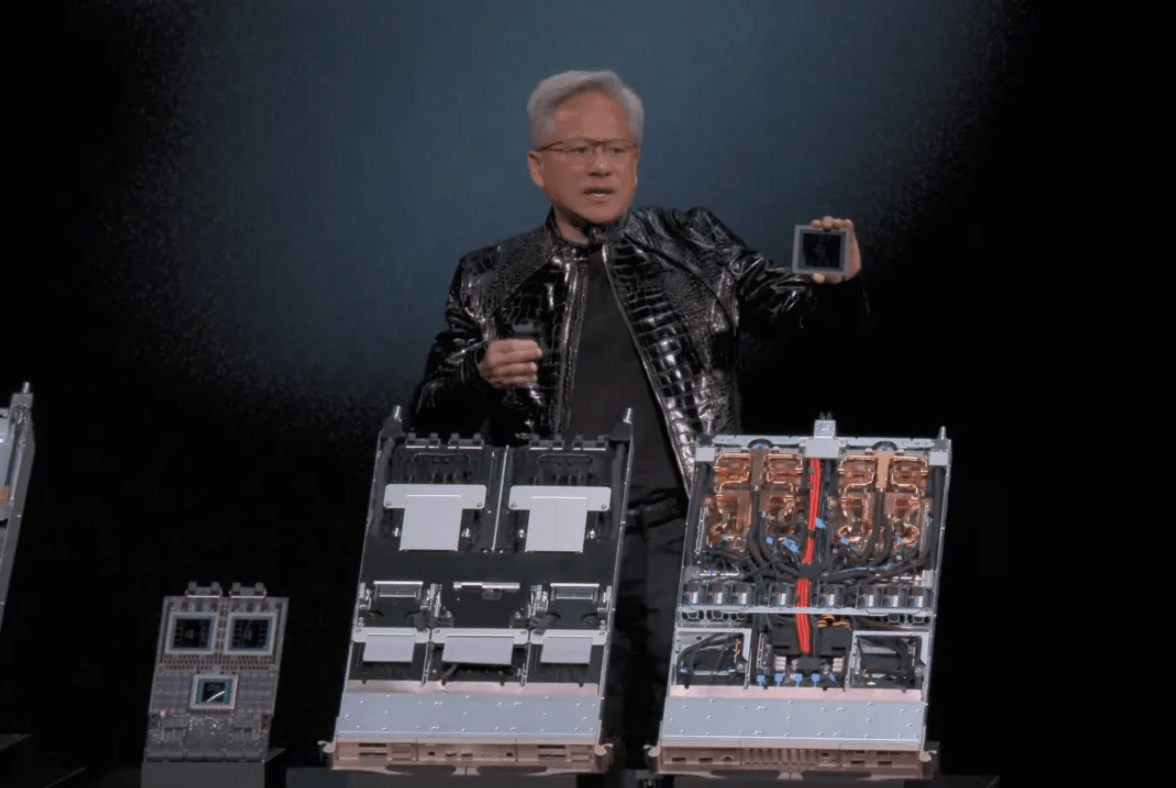
Its flagship NVL72 configuration links 72 GPUs into a single rack-scale system, forming the building block for DGX SuperPOD supercomputers already being snapped up by companies such as Microsoft, Google and Meta.
Nvidia CEO Jensen Huang described the shift as a fundamental reset for computing.
“You no longer program software, you train it,” he said, arguing that demand for AI inference is now growing faster than training as businesses deploy models at scale.
Beyond data centres, Nvidia also unveiled Alpamayo, a family of open-source reasoning models designed to make autonomous vehicles safer in rare and unpredictable driving scenarios.
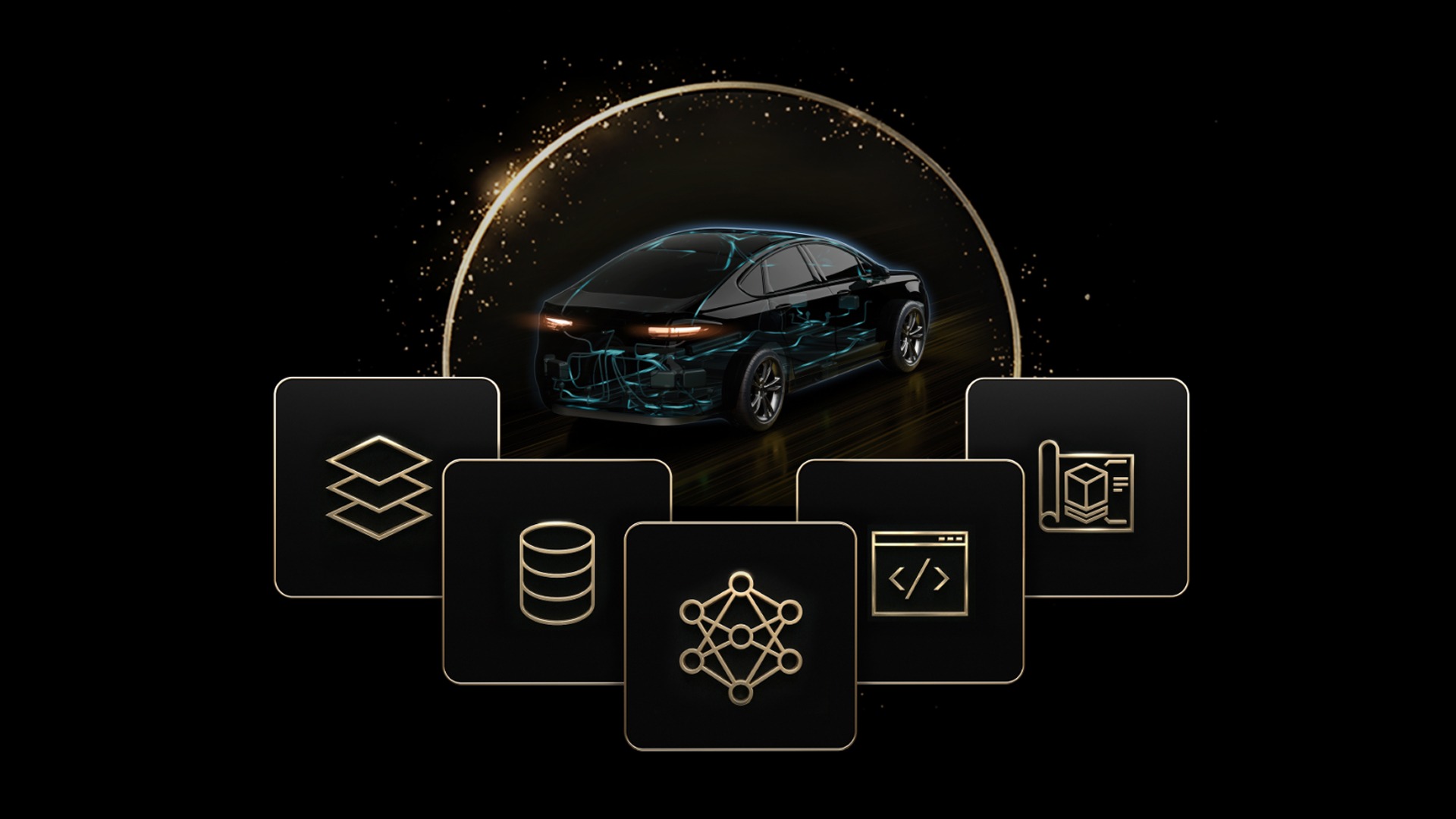
The lead model, Alpamayo 1, uses a chain-of-thought approach to break down complex situations and explain its decisions. Mercedes-Benz confirmed its upcoming CLA sedan will be the first production vehicle to ship with Nvidia’s full DRIVE AV stack.
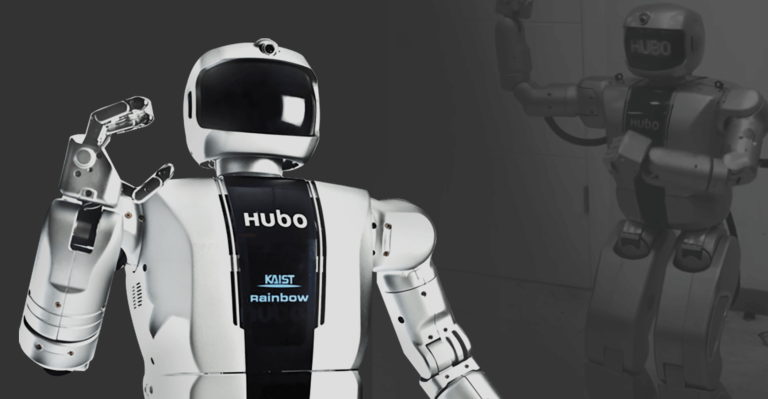
Robotics was another major theme.
Nvidia announced new open models and frameworks for “physical AI”, alongside partnerships with companies including Boston Dynamics, Caterpillar and LG Electronics.
Huang declared that the “ChatGPT moment for robotics” has arrived, as machines gain the ability to reason about and act in the real world.
For consumers, however, CES brought little news.
Nvidia made no announcements about next-generation GeForce GPUs, suggesting gamers will need to wait a little longer while the company focuses on its booming AI business.