CES 2026: Appliance Are Being Transformed With But Who Will Be The Winners?
 David Richards
07 Jan 2026
David Richards
07 Jan 2026
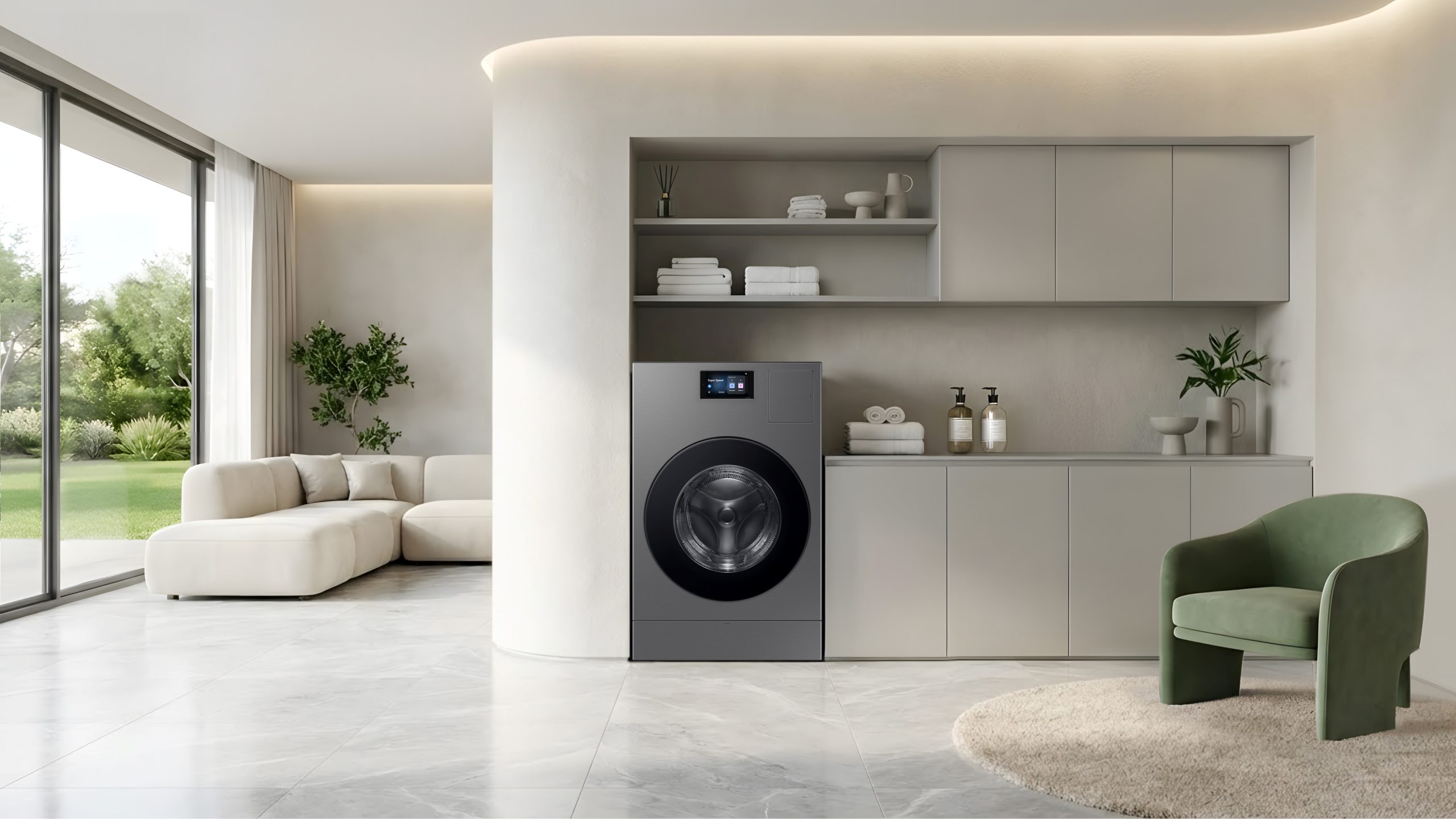
Appliances are on the brink of a major transformation, with new processors and artificial intelligence delivering powerful new capabilities — many of them operating quietly in the background — according to appliance manufacturers at CES 2026.
Across the appliance sector, artificial intelligence has emerged as the key differentiator. Modern appliances are increasingly able to learn from user behaviour and automatically adjust performance, whether that’s optimising wash cycles, fine-tuning cooking modes, or improving energy efficiency to deliver better results with less effort.
In the kitchen, smart ovens and connected cooking systems are evolving beyond basic app control. AI-driven planning, recipe recommendations, and guided cooking are becoming standard features, designed to make appliances more intuitive and increasingly autonomous rather than simply remote-controlled.
Major brands including Samsung, TCL, Haier ChiQ, Electrolux and Hitachi are preparing to launch advanced new products. Samsung has already demonstrated the potential of AI with new applications and built-in, AI-powered cameras that enhance both functionality and user experience.
CHiQ, a consumer electronics and home appliance brand,is showcasing its smart home innovations, AI-powered appliances (fridges, air conditioners, laundry), and new display tech.
They’re highlighting energy efficiency, convenience, and seamless integration, promoting their “Smart with Style” and “Panda Energy” branding.
Voice activation and digital assistants such as Alexa and Google Assistant are also shifting from optional extras to standard features. At CES 2026, several manufacturers showcased voice-and-AI controls aimed at simplifying everyday routines and reducing reliance on complex interfaces. A notable emerging trend is offline voice control, allowing devices to respond without cloud or Wi-Fi connectivity — a move that improves privacy, speed, and reliability.
Rather than operating as isolated gadgets, the future of appliances points toward seamless ecosystem integration. New smart home standards, including Matter, are being widely adopted to ensure products from different brands work together smoothly within a unified home environment.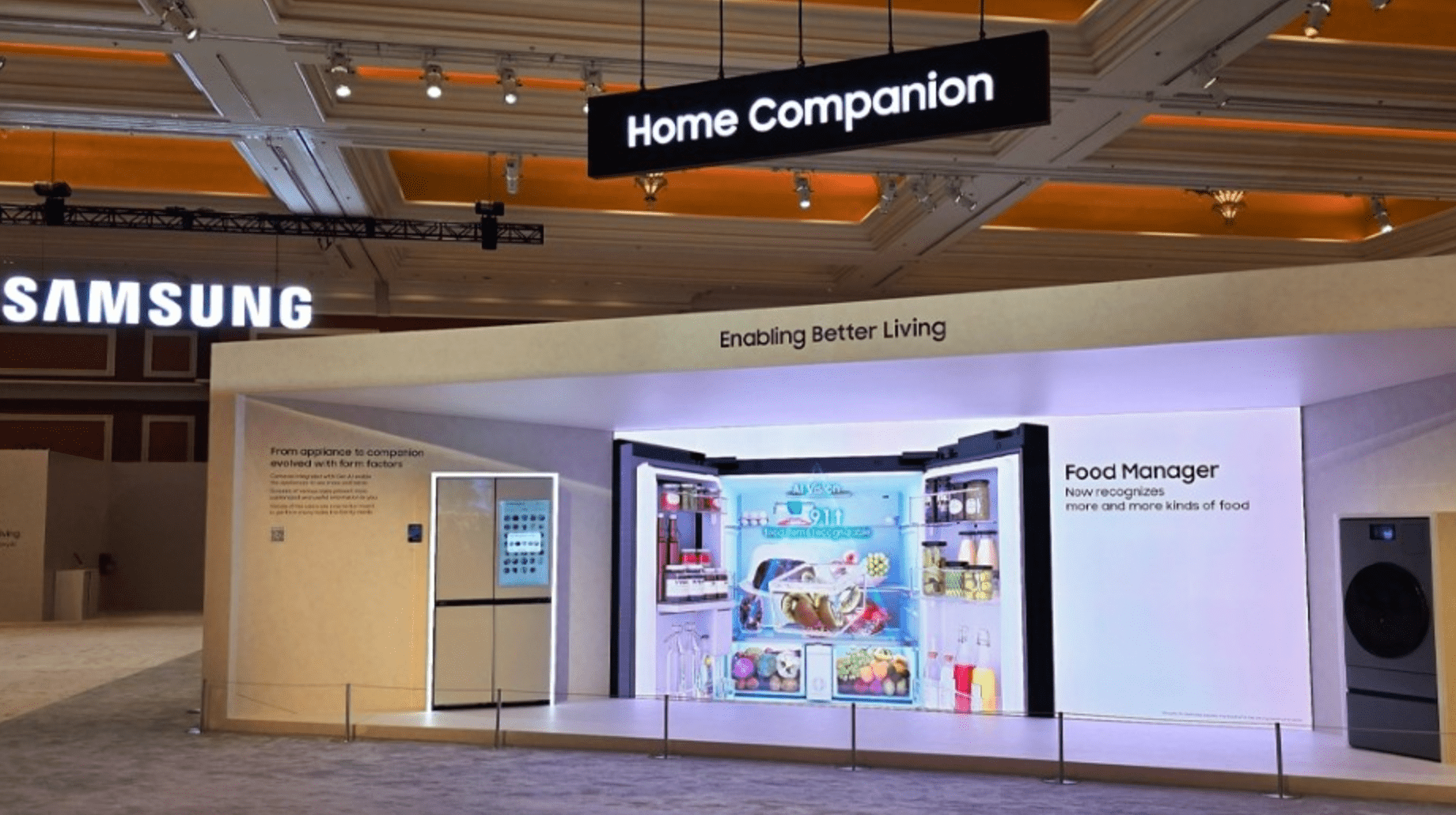
Sustainability is another major driver of innovation. Green technology is shaping both design and function, with companies such as Sweden-based Electrolux leading the charge through eco-friendly appliances. New models are being engineered to consume less energy, reduce waste, and optimise power usage, aligning with broader environmental goals and growing consumer expectations.
Innovation is also extending beyond convenience into health and quality-of-life features. At CES 2026, companies including Samsung revealed concepts focused on wellness, such as advanced food preservation systems and whole-home monitoring. AI-powered software can track food freshness, alert users when items are nearing the end of their life, and even suggest meals based on available ingredients to help reduce waste.
On the design front, appliance interfaces are increasingly centred around touchscreens, app control, and unified dashboards. Space-saving, multifunction appliances — such as washer-dryer combinations — continue to grow in popularity, particularly in urban homes.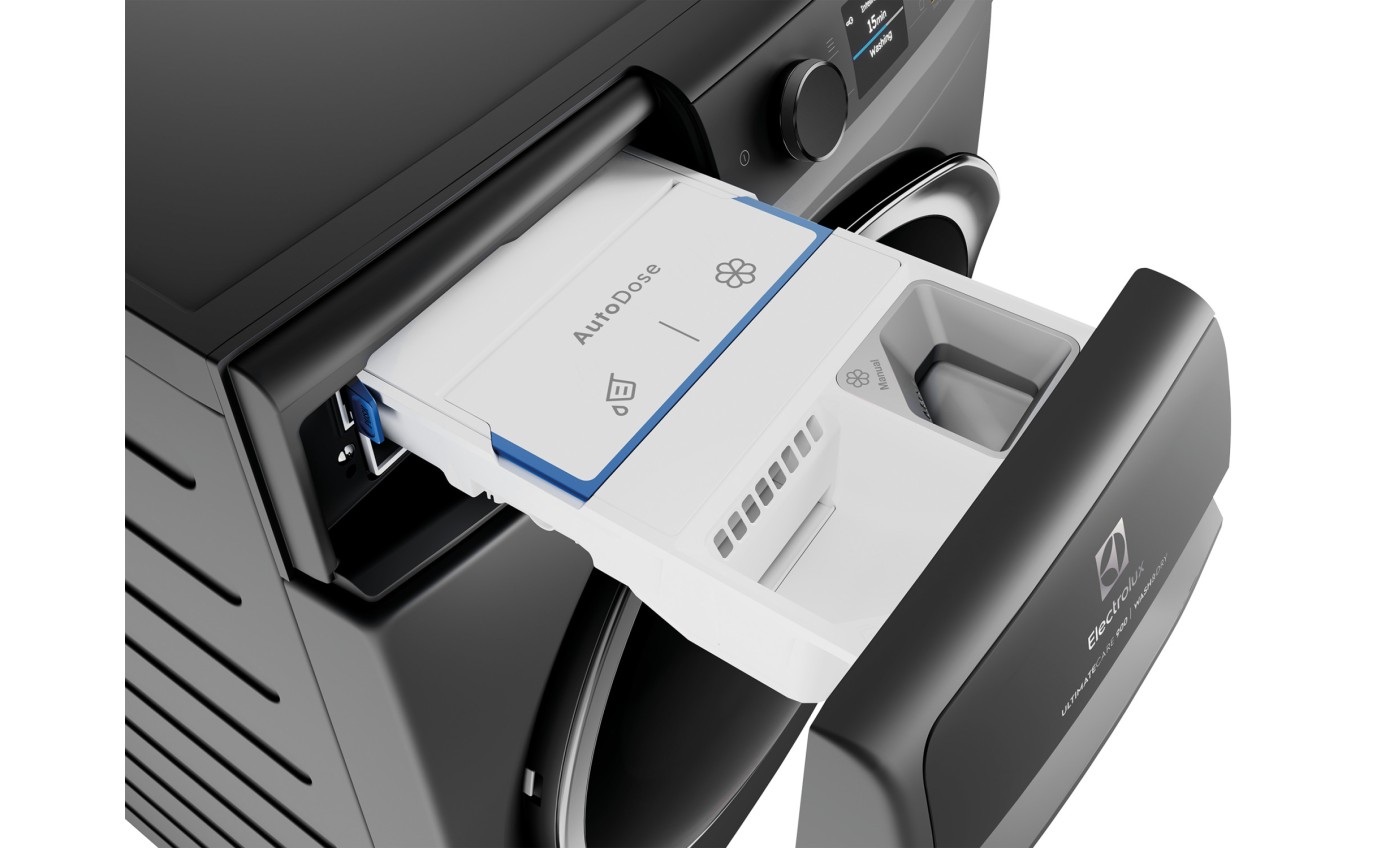
Visual design trends emphasise seamless integration, with built-in appliances from brands like Fisher & Paykel gaining traction as they blend into cabinetry for a clean, minimalist aesthetic. Refrigerators equipped with interior cameras, inventory tracking, and meal suggestions are becoming more common, while cooktops, washers, dryers, and air conditioners are incorporating sensors and automation to respond intelligently to environmental and user cues.
Research suggests today’s consumers are looking for innovation that not only delivers advanced technology, but also aligns with lifestyle preferences, sustainability values, and modern home design — a direction clearly reflected in the appliance trends emerging from CES 2026.