CES 2026 Is Not What It Was It’s What It’s Become
 David Richards
04 Jan 2026
David Richards
04 Jan 2026
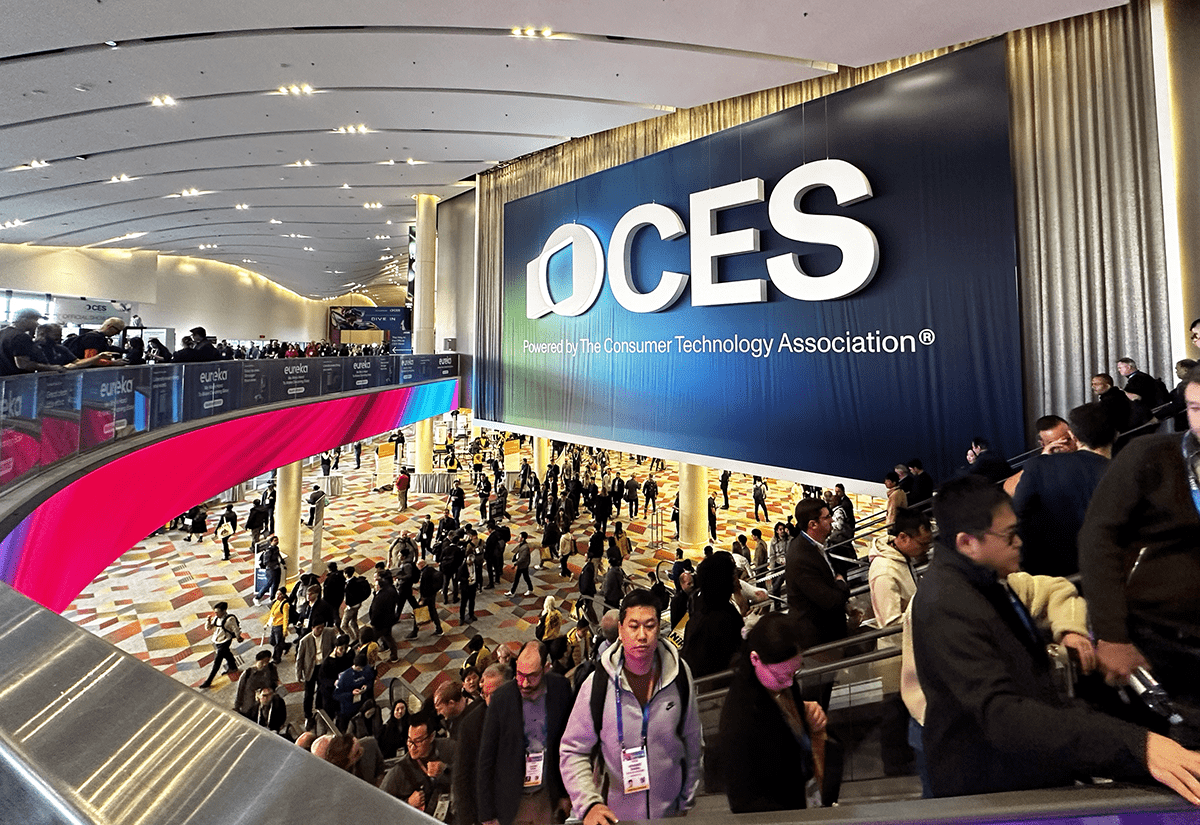
This marks my 30th CES and Comdex, and what is crystal clear in 2026 is that the show is no longer about gadgets. This year, CES is about platforms, artificial intelligence, and connectivity and more importantly the integration of AI into existing products and categories.
In the past, CES was defined by products — televisions, projectors, appliances, audio gear, and an endless parade of gadgets from both global giants and small startups. But that focus has steadily shifted. CES is now moving beyond gimmicky inventions and positioning itself as one of the most important global stages for artificial intelligence.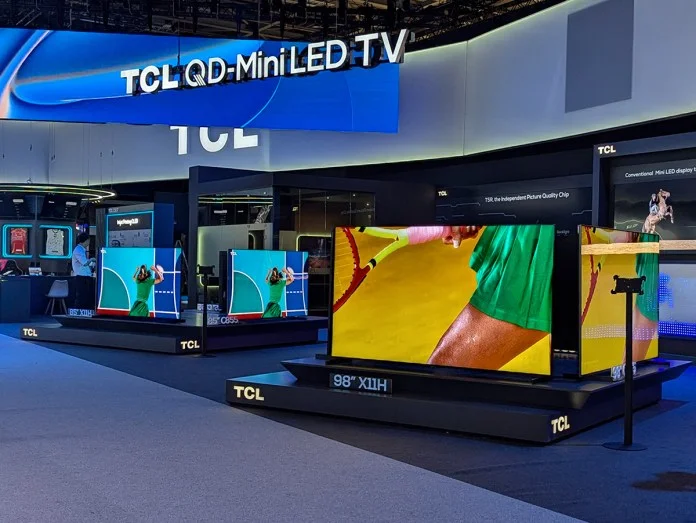
Headlining the show is NVIDIA CEO Jensen Huang. I remember when Huang was simply the head of a graphics card company focused on gamers, attending CES to talk about performance graphics. Back then, NVIDIA came to CES to showcase 3D gaming technology, launch the influential GeForce series, and promote the GPU — the graphics processing unit it invented in 1999.
That invention became the backbone of PC gaming and, ultimately, modern AI.
Today, NVIDIA is one of the world’s most valuable and closely watched technology companies. At CES 2026, Huang will outline a roadmap for how NVIDIA plans to drive the next industrial revolution — accelerating both generative AI and what the company calls “physical AI.”
“The Jensen keynote is front and centre when it comes to the strategic direction of AI,” Wedbush analyst Dan Ives said recently. “It’s not just tech investors watching — it’s the entire world.”
This evolution explains why many Australian retailers have chosen to stay away from CES this year. What was once a consumer showcase focused on sellable products has become a massive technology event centred on future platforms rather than next quarter’s inventory.
For the technology industry as a whole, however, CES 2026 is critically important. The show is set to push the consumer AI revolution into an entirely new phase.
Already, companies such as Samsung, Panasonic, TCL, Hisense, and robotic vacuum brands including Narwal and Ecovacs are using AI to elevate products far beyond simple automation. AI investment is now driving economic growth itself. According to Harvard economist Jason Furman, AI accounted for as much as 92% of U.S. GDP growth in the first half of 2024.
AMD CEO Lisa Su will also deliver a keynote. Su has transformed AMD from a struggling chipmaker into a serious NVIDIA competitor, with a market capitalisation exceeding $200 billion. She is expected to announce new enterprise-focused chips aimed at companies seeking alternatives to NVIDIA’s premium-priced AI accelerators.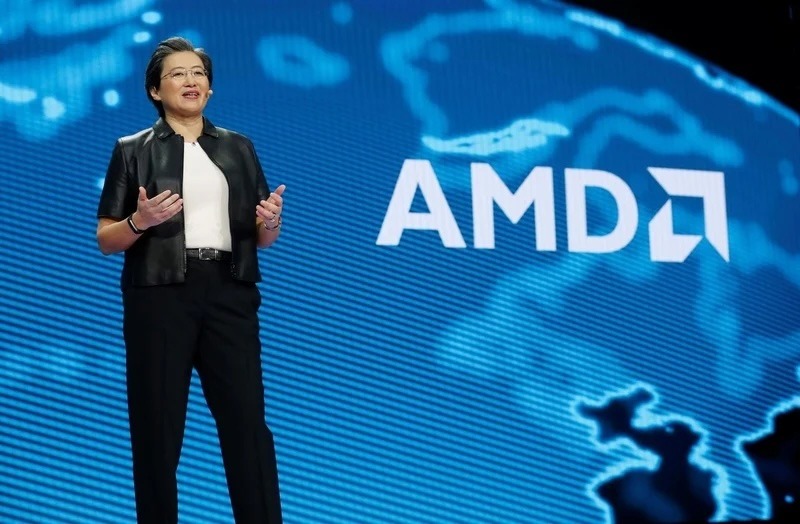
Chinese PC giant Lenovo will also play a major role, particularly as it invests heavily in Chinese AI systems used in servers and PCs across Australian government and education sectors.
While AMD still holds only a fraction of NVIDIA’s AI accelerator market share, the competition is intensifying. Huang, meanwhile, will emphasise physical AI — extending far beyond robotics into drones, appliances, televisions, and mobile devices.
“Think of it in terms of industries,” one source said. “Healthcare, automotive, manufacturing — this is about showing how AI actually transforms how entire sectors operate.”
For decades, CES showcased the technology of tomorrow — much of which never arrived in Australia because retailers such as Harvey Norman, JB Hi-Fi, and Bing Lee were unwilling to take risks or couldn’t see a viable local market.
That dynamic is changing. Brands like Samsung, which is increasingly moving direct-to-consumer, along with Hisense and TCL, are now briefing retailers ahead of CES and flying them overseas to see products firsthand.
On the show floor, the shift to physical AI will be unmistakable. Intel, AMD, and Lenovo are positioning their hardware as the foundation that allows AI to move out of data centres and into everyday consumer devices.
For years, CES promised the future. In 2026, the future has arrived — and the question is no longer whether AI will transform consumer technology, but how fast it will happen.