CES 2026: Intel Targets Gaming Handhelds With Panther Lake Core G3 Chips
 April Ossington
09 Jan 2026
April Ossington
09 Jan 2026
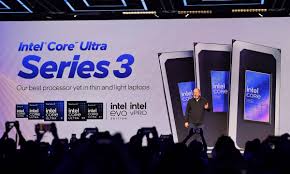
Intel is preparing a renewed attempt to win over the gaming handheld market following announcements made around CES 2026. Rather than adapting existing laptop processors, the company is reportedly developing a new class of chips known as Intel Core G3, based on its upcoming Panther Lake architecture and specifically optimised for portable gaming systems.
The idea is to address the problems that often limit handheld PCs, including inconsistent frame rates, rising temperatures and shrinking battery life during longer play sessions. By tailoring Panther Lake for lower power envelopes and tighter cooling constraints, Intel aims to deliver steadier performance that holds up beyond the first few minutes of gameplay.
In small handheld designs, chasing short-lived performance boosts rarely works. Heat build-up and limited airflow can quickly force clocks to drop, resulting in uneven performance. Intel’s reported approach with Core G3 is to prioritise sustained output, which could lead to quieter fans, longer playtimes and a more reliable experience across different manufacturers’ devices.

Graphics performance is also central to Intel’s pitch. At CES 2026, the company highlighted its new Arc B390 integrated GPU, claiming gaming gains of up to 77 per cent over the Arc 140V found in Lunar Lake systems. Intel has also drawn selective comparisons with AMD integrated graphics and even an RTX 4050 laptop GPU, although such figures should be viewed cautiously until independent testing becomes available.
For handheld PCs, real-world results will depend heavily on how well Arc B390 performs at lower wattages and under sustained thermal load. If the GPU can scale efficiently in these conditions, it could help Intel-based handhelds compete more directly with established options in the market.
Intel’s earlier efforts in this space, including the first wave of Claw devices, struggled to gain traction. The next phase will hinge on whether multiple hardware partners adopt Core G3, how much the systems cost in AUD, and whether performance remains stable during extended gaming sessions.
As competition continues to intensify, efficiency and value are becoming just as important as raw power. If Intel’s Core G3 chips deliver on their promise, they could help push the entire handheld gaming category towards better balance between performance, battery life and price.