BREAKING NEWS: Bang & Olufsen Sues Samsung Over “HiFi Frame” Design Dispute
 David Richards
07 Oct 2025
David Richards
07 Oct 2025

In a surprising move, Danish luxury audio brand Bang & Olufsen (B&O) has launched legal action against Samsung, alleging that the upcoming Samsung + Canvas “HiFi Frame” TV infringes on the design of B&O’s Beovision Contour.
B&O is seeking to block the HiFi Frame’s launch, which is expected in Australian stores later this year, claiming the product bears “striking similarities” to its premium television design.
The HiFi Frame is the result of a collaboration between Samsung and Danish audio company Canvas HiFi. Designed by Danish artist Carsten Beck, the product is an all-in-one entertainment system combining high-fidelity sound with Samsung’s Frame TV concept. The design integrates minimalist Scandinavian aesthetics with advanced acoustic performance, featuring speakers positioned along the bottom of the display with a distinctive grille pattern.

New Samsung Canva Hi Fi Frame TV
According to B&O, these elements closely resemble the design language of its Beovision Contour, which integrates a soundbar and TV within a unified frame. B&O claims Canvas HiFi is “free-riding on Bang & Olufsen’s design legacy” and has demanded that the HiFi Frame be removed from sale, all stock destroyed, and compensation paid.
A formal legal notice, issued by Claus Barrett Christiansen, partner at Danish law firm Bech-Bruun, set an October 1, 2025 deadline for compliance, warning that B&O will take “necessary legal steps to prevent continued infringement” if the demand is not met.
Heidi Winkler, General Counsel at Bang & Olufsen, said:
“Like other luxury brands, we will always defend our rights and protect our brand — and we are doing so in this case as well.”
Canvas HiFi has strongly rejected the claims. Their lawyer, Børge Nielsen, described the accusations as “highly problematic,” stating it is “unreasonable for an international corporation like Bang & Olufsen to make unfounded claims against a small Danish company.”
The dispute carries a personal dimension. Laust Nielsen, CEO and majority owner of Canvas HiFi, previously ran an authorised B&O retail store in Frederikshavn until 2019. He called the legal action “heavy-handed” and suggested it could be seen as “deliberate harassment aimed at bullying a smaller player in the market.”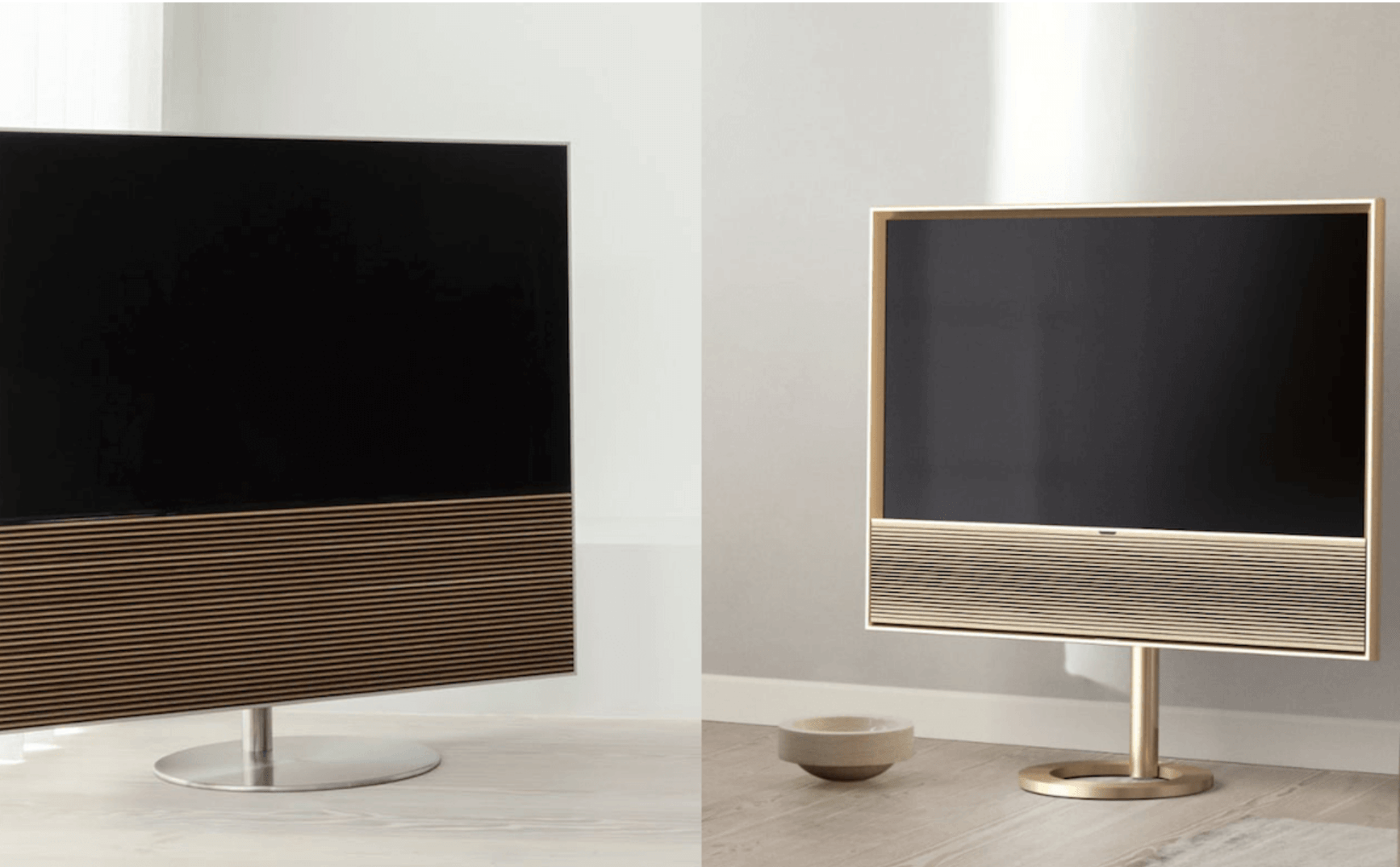
Canvas HiFi insists its design predates the launch of Beovision Contour in 2020. Nielsen said: “Our design with wooden front panels was developed before B&O’s product launch, and I have documentation to prove it.”
The dispute is further complicated by Samsung’s involvement. B&O argues that the HiFi Frame borrows “distinctive features” introduced with Beovision Contour, including the integrated frame design. Nielsen disputes this, pointing out that Samsung’s Frame TV design predates B&O’s Contour. He added: “The Frame is an internationally recognised design. Our collaboration simply integrates Canvas’ audio solution — there is no copying involved.”
While Nielsen acknowledges some aesthetic overlap, he insists the products are “clearly distinct” and believes “a discerning consumer can easily tell the difference.” He added: “B&O has made beautiful products for many years. Now we’ve joined the game, and we should be able to coexist and focus on delivering great products for consumers.”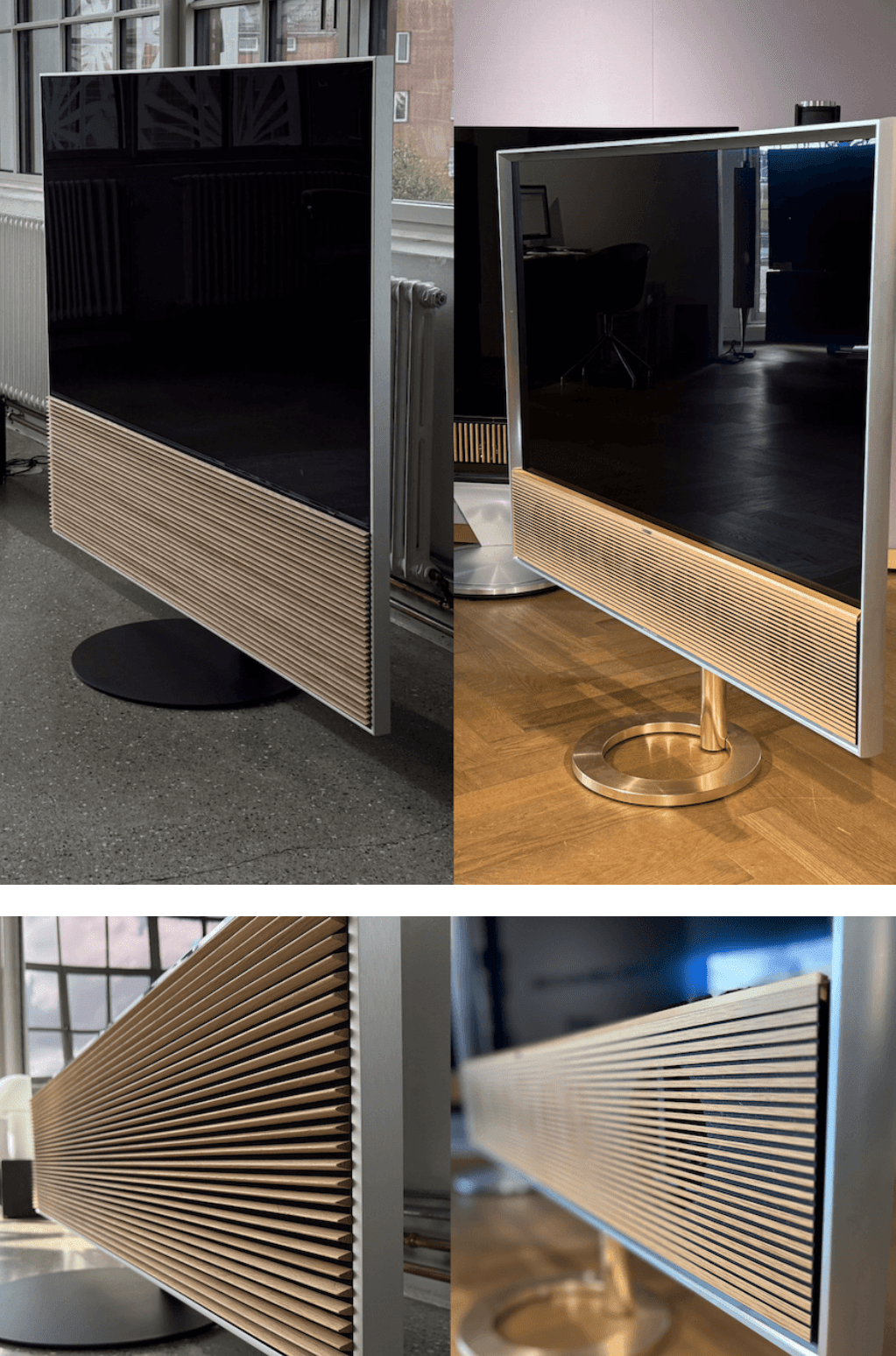
As of now, Canvas HiFi has not complied with B&O’s demands and is continuing production and distribution of the HiFi Frame. The dispute marks a dramatic escalation between one of Denmark’s most respected design houses and a smaller challenger led by a former B&O dealer — a battle moving from the showroom floor to the courtroom.
Founded in 1925, Bang & Olufsen has long been a symbol of Danish design and craftsmanship. Despite recent financial struggles and lowered forecasts, the company has strengthened its luxury positioning under CEO Kristian Teär, with shares rising more than 40% over the past year.
General Counsel Heidi Winkler reiterated B&O’s stance:
“Bang & Olufsen has created unique products and groundbreaking designs for 100 years. Like other luxury brands, we occasionally face imitation of our designs globally. We will always defend our rights and protect our brand — and we are doing so in this case. We owe that to our employees, customers, and shareholders.”