LG Electronics Expands Questionable Data Capture Reach Through Paramount Deal, Raising Privacy Concerns
 David Richards
06 Oct 2025
David Richards
06 Oct 2025

G Electronics, which has faced growing scrutiny for collecting private TV viewing data from Australian consumers and selling it for billions of dollars , is now set to deepen its data operations through a new partnership with Network Ten’s Paramount+ app.
The deal will give LG access to user data via its webOS software, which powers many of its smart TVs and connected devices.
Despite mounting criticism, LG has not addressed the transparency issues surrounding its data practices.
Tony Brown, LG’s General Manager of Home Entertainment in Australia, has reportedly declined to respond to our inquiries about how the company captures and uses consumer data through embedded software in TVs, appliances, and other products.
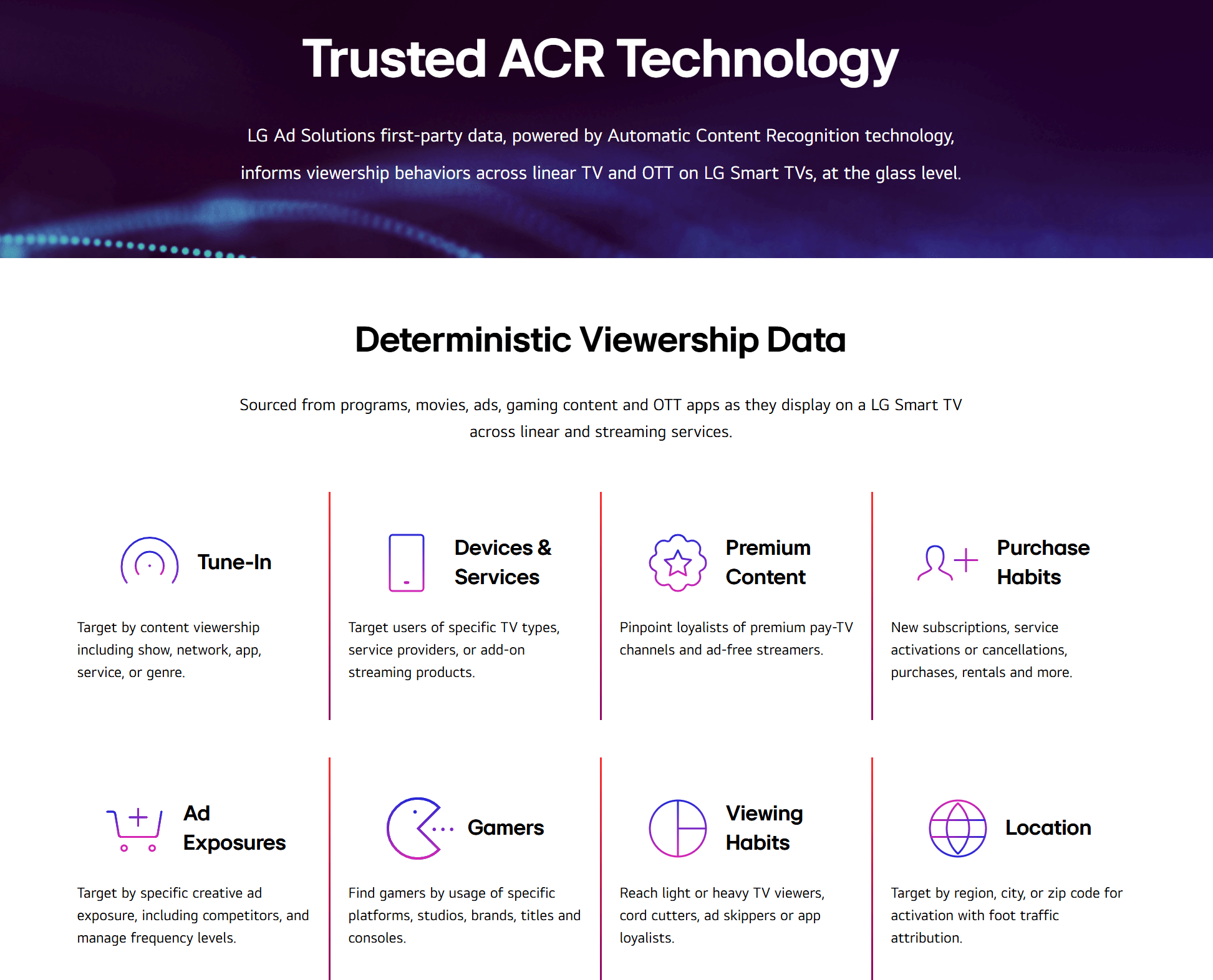
The South Korean tech giant has been leveraging its smart TV platform to collect vast amounts of user data, which is then sold to third parties for targeted advertising and content recommendations.
Critics say this practice threatens both user privacy and traditional media revenues, as LG also sells advertising space on its home screens—often to the same brands leveraging the user data for profiling and behavioral targeting.
In a recent press release, LG touted its deal with Paramount as a way to simplify content discovery for users.
However, the company made no mention of the Automatic Content Recognition (ACR) technology and other tracking tools baked into its webOS platform—tools capable of monitoring everything from what users watch to how they interact with apps and connected devices like refrigerators and car infotainment systems.
Brown defended the partnership, claiming it meets a growing demand for “simpler, more guided content consumption.” He also highlighted that LG’s home screen is becoming a key interface for users, noting:
“We see at LG that people come in and turn their TV on, and they spend around seven to eight minutes just on our home screen, sort of looking at what they’re going to watch. It really is a challenge. You’ve got so much choice these days, it’s almost too much choice.”
What Brown did not mention is that while users linger on the home screen or switch between apps, LG is actively collecting data. Observers argue that consumers—often unknowingly—agree to broad terms and conditions that allow LG to harvest data from TVs, refrigerators, and other connected devices.
As part of the new deal, LG will also become a sponsor of MasterChef Australia on Network Ten, using the opportunity to promote its line of connected kitchen appliances featuring LG’s Connected Care technology. Financial details of the Paramount deal have not been disclosed, but industry insiders estimate LG generated A$2.2 billion last fiscal year from webOS-related data, subscriptions, and advertising—accounting for roughly 20% of the company’s total revenue.
The partnership will also allow Paramount’s metadata to be integrated into LG’s operating system, making content more discoverable while further enabling data capture capabilities.
Mounting Concerns Over LG’s Data Practices
A scan of social media and tech forums reveals widespread concern about LG’s handling of user data. Critics point to a lack of transparency, ongoing data collection even after users disable privacy settings, and fears that data could be used for political profiling.
Key Issues Raised:
- Lack of Transparency & Control:
Users report difficulty understanding how their data is collected and used. - Third-Party Sharing:
Data is allegedly sold to brokers and advertisers, fueling revenue through highly targeted ads.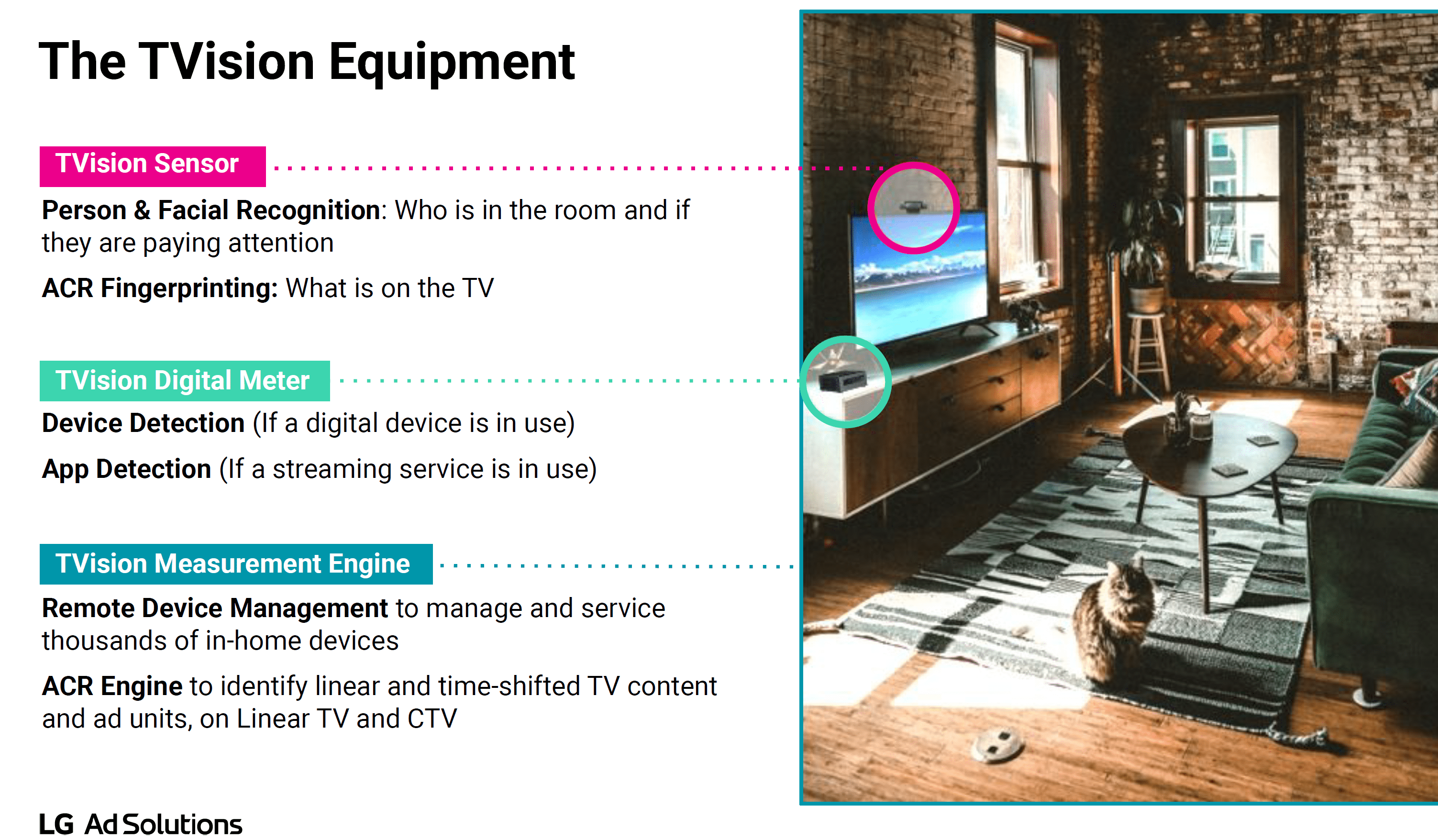
- Invasive Collection Methods:
Some reports claim LG collects data from USB drives and app usage without full consent. - Security Vulnerabilities:
webOS has experienced flaws that could expose user data to hackers. - Limited Opt-Out Options:
Even when privacy settings are changed, users say data collection often continues. - Political Use of Data:
There are claims that LG-sourced data has been used for political targeting, including profiling of voter intent based on viewing habits. - What Critics Are Calling For
- Privacy advocates are urging LG to take action, including:
- Greater Transparency around what data is collected and how it’s used.
- More User Control, including easy-to-access opt-out options.
- Data Minimization, collecting only what’s necessary for product function.
- Stronger Security Protections via regular updates and testing.
- Clear and Ethical Privacy Policies that are strictly followed.
Despite these calls, LG has continued to position its home screen as a powerful advertising and data platform.
“We’ve got this big TV in most people’s lounge rooms when they’re sitting down really engaged in product,” Brown said. “I think these sorts of sponsorships and opportunities—you’ll see a lot more as the companies develop their interactive advertising ability.”
Yet, what many users may not realize is that these “opportunities” also come with significant privacy trade-offs—something LG has yet to openly confront.