Australians Face Big Price Icreases For iPhones, iPads and Macs Claims CEO
 David Richards
18 Jun 2026
David Richards
18 Jun 2026
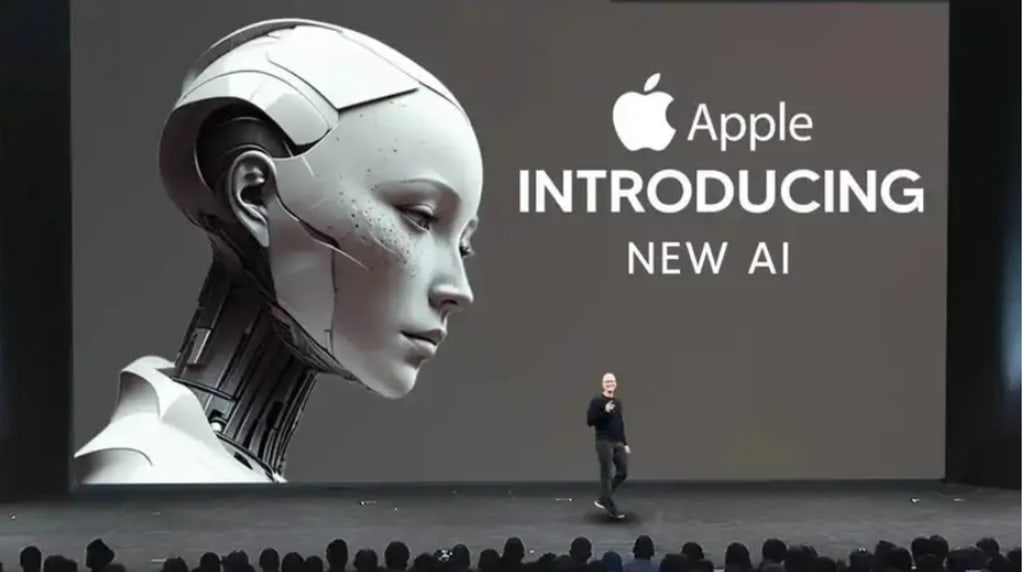
Australian consumers are set to be hit with another wave of technology price rises after Apple CEO Tim Cook warned that significant increases are looming across the company’s product portfolio, citing soaring memory and component costs driven by the explosive growth of artificial intelligence.
The warning, delivered during an interview with The Wall Street Journal, signals what could become one of the largest price adjustments in Apple’s recent history, with industry analysts predicting some premium devices could jump by more than 20 per cent.
“Unfortunately, price increases are unavoidable,” Cook said.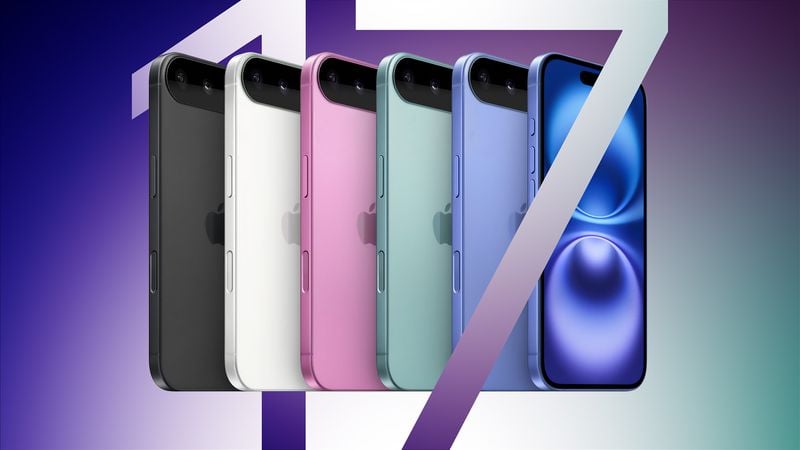
“We’re doing our best to mitigate the huge increases that are being passed to us, and we’ve been trying to shield our customers from the increases, but the situation has become unsustainable.”
While Cook declined to reveal exactly which products would be affected or when the increases would take effect, analysts are already forecasting substantial hikes for upcoming iPhone models, Macs and iPads.
Research firm TechInsights estimates that some premium iPhone models could rise by as much as $300, with Pro models tipped to attract increases of around $270 when Apple’s next generation devices are unveiled later this year.
The timing is significant, coming just months before Apple’s annual September launch event where the company is expected to unveil the iPhone 18 range and potentially its long-rumoured foldable smartphone.
AI BOOM CREATES MEMORY CRISIS
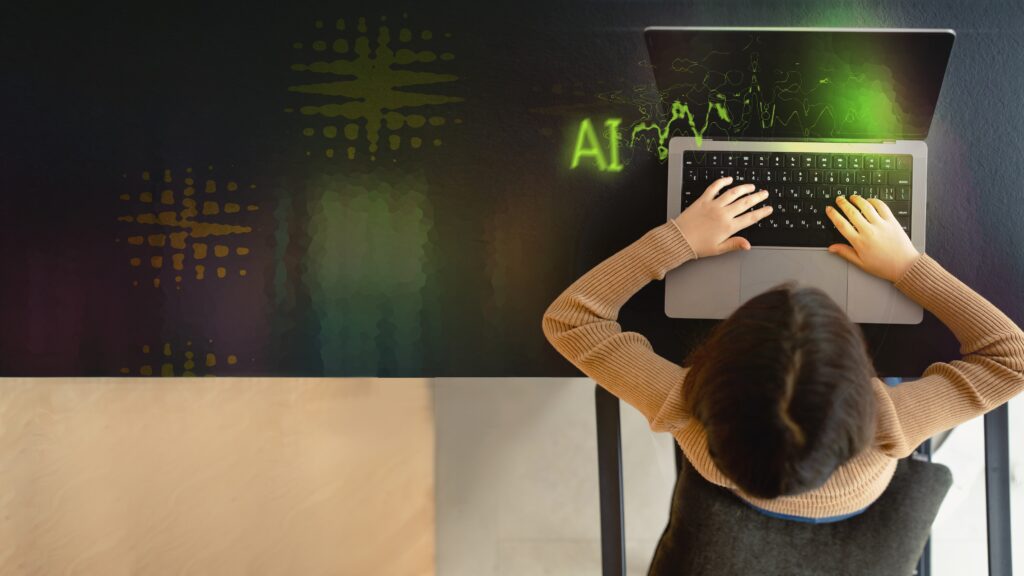
Behind the price increases is an unprecedented surge in demand for high-performance memory chips used to power artificial intelligence systems.
Data centre operators including Microsoft, Google, Amazon, Meta and OpenAI are buying enormous volumes of advanced DRAM and NAND flash memory to support AI training and inference workloads, placing intense pressure on global supply chains.
The result has been a dramatic rise in memory pricing, with chip makers Samsung, SK Hynix and Micron increasingly diverting production capacity toward lucrative AI-focused products rather than consumer electronics components.
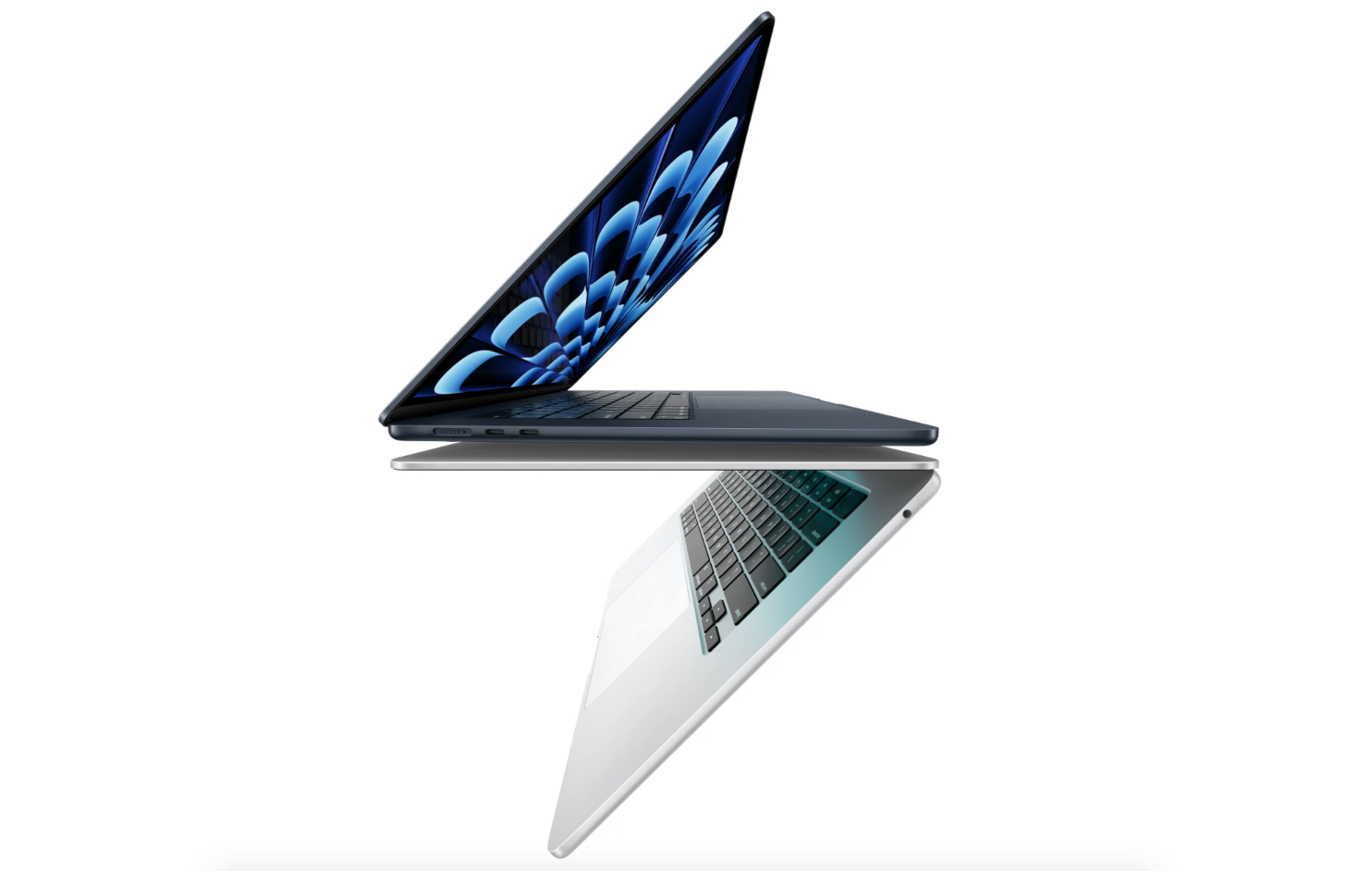
MacBook Air.
Industry analysts say the consequences are now flowing directly through to smartphone, PC and tablet manufacturers.
Apple is unlikely to be the only company forced to pass on higher costs.
EVERY MAJOR TECH BRAND UNDER PRESSURE
The impact of rising memory prices is expected to ripple throughout the technology industry over the next 12 months.
Manufacturers including Samsung, Lenovo, Dell, HP, Asus and Acer are all facing higher component costs for laptops and smartphones, while storage brands such as Western Digital, SanDisk, Crucial, Kingston, Lexar and Seagate are already confronting rising NAND flash prices.
Retailers have warned that consumers could soon see increases across everything from smartphones and tablets to SSD storage drives and gaming PCs.
Several industry sources claim that some brands have already begun renegotiating supply contracts as memory suppliers continue to prioritise AI infrastructure customers willing to pay premium prices.
“The AI gold rush is creating winners and losers,” said one industry analyst.
“Memory manufacturers are enjoying record profitability while consumer technology companies are being squeezed. Ultimately those costs end up being paid by consumers.”
AUSTRALIA FACES DOUBLE HIT
Australian buyers may feel the impact more acutely than consumers in other markets.
Alongside rising component costs, local retailers are also contending with inflationary pressures, shipping expenses, foreign exchange fluctuations and increasing operating costs.
The result could be another round of substantial retail price rises at a time when household budgets are already under pressure.
For Apple, the challenge comes as the company attempts to regain momentum in artificial intelligence after falling behind rivals in the race to deliver advanced AI features.
The company recently unveiled plans for a significantly upgraded Siri digital assistant and is working on a new generation of AI-powered products, including smart glasses and enhanced AirPods capable of analysing images and delivering contextual information in real time.
Cook, who is expected to step down as CEO later this year, acknowledged the growing strain on the technology supply chain.
“We’re willing to use our balance sheet to help be a part of the solution,” he said. “Obviously, more capacity is needed.”
However, he ruled out Apple entering the memory-chip business itself.
“We can’t do everything,” Cook said. “We know what we’re good at.”
For Australian consumers, the message is clear: if you are planning to upgrade an iPhone, iPad or Mac in 2026, waiting could prove expensive.