Australian Retailers Monitor UK In Store Facial Recognition Trial At Major Supermarket
 David Richards
16 Nov 2025
David Richards
16 Nov 2025
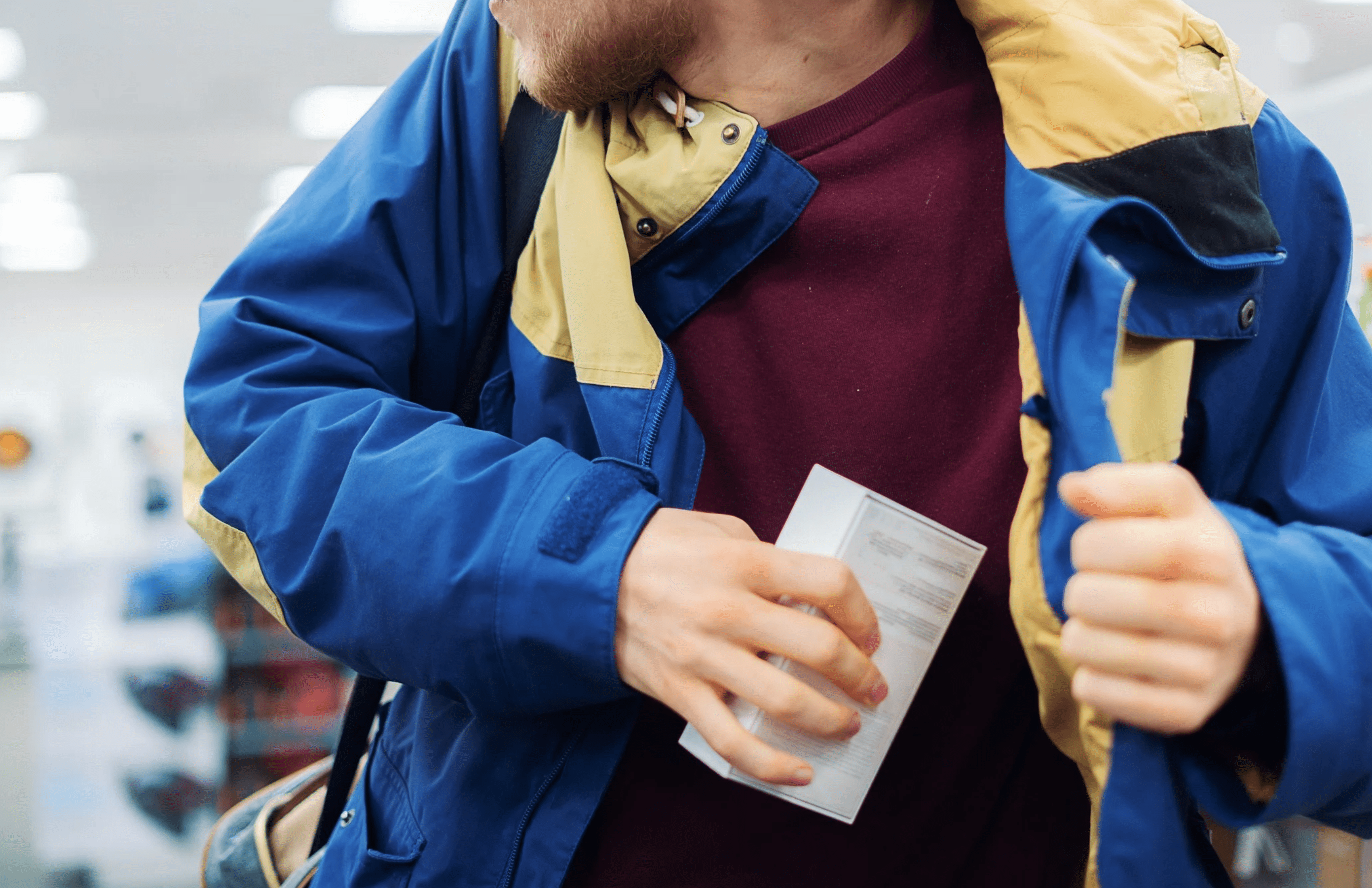
Major Australian retailers — including Wesfarmers-owned chains such as Officeworks, Bunnings and Kmart, as well as The Good Guys and JB Hi-Fi — are watching closely as UK supermarkets and police expand the use of live facial recognition technology to tackle rising retail crime.
This comes as Australian stores grapple with escalating shoplifting and violence, yet remain restricted in the tools they can use because of what’s been described as “ridiculous” rulings by the OAIC who have been described as protecting criminals from being identified after they have stolen goods from Australian stores.
The Office of the Australian Information Commissioner (OAIC) recently ruled that facial recognition trials conducted by Bunnings, Kmart and The Good Guys breached Australian privacy laws.

The OAIC has taken the position that retailers had not obtained valid consent and that the collection of biometric data from customers — even in stores experiencing high levels of theft and staff abuse — was not “reasonably necessary.”
Under current rules, retailers must show that facial recognition is a last-resort option and that less intrusive measures are insufficient.
In what has been described to ChannelNews as a two finger salute to the Office of the Australian Information Commissioner (OAIC), Western Australian police and Westfield owner Scentre Group have banded together to use camera recognition technology to track criminals entering and leaving shopping centres as part of efforts to tackle the rise in retail crime.
In some cases retailers who are still monitoring inside a store are passing video surveillance data to Police
In what has been described as a significant escalation of surveillance measures, WA Police’s automatic number plate recognition cameras have been deployed at Perth’s Westfield Carousel to track the movements of people. This allows retailers to alert police once they have a suspect.The initiative is part of a partnership between police and retailers, which include Westfield owner Scentre Group, Woolworths and Viva Energy among others, that was established to stifle the unprecedented levels of violence faced by retail workers as well as lobby state governments to introduce tougher retail crime legislation.
Scentre chief executive Elliott Rusanow said “What we’re targeting is high harm, repeat offending, which can be linked to organised crime and violence,”
“This is about stopping a potentially violent action occurring at the outset, rather than deterring it.”
UK Takes a Very Different Approach
In contrast, UK authorities are moving in the opposite direction. The Metropolitan Police announced it is expanding its use of live facial recognition technology, and major supermarkets are beginning to deploy AI-driven systems in stores.
The Met Police’s latest annual report shows facial recognition contributed to 962 arrests between September 2024 and September 2025, bringing the total to more than 1,400 since the program began. More than 1,000 individuals have been charged or cautioned.
Police say no wrongful arrests have occurred, although false alerts were generated for 10 people — eight of them Black.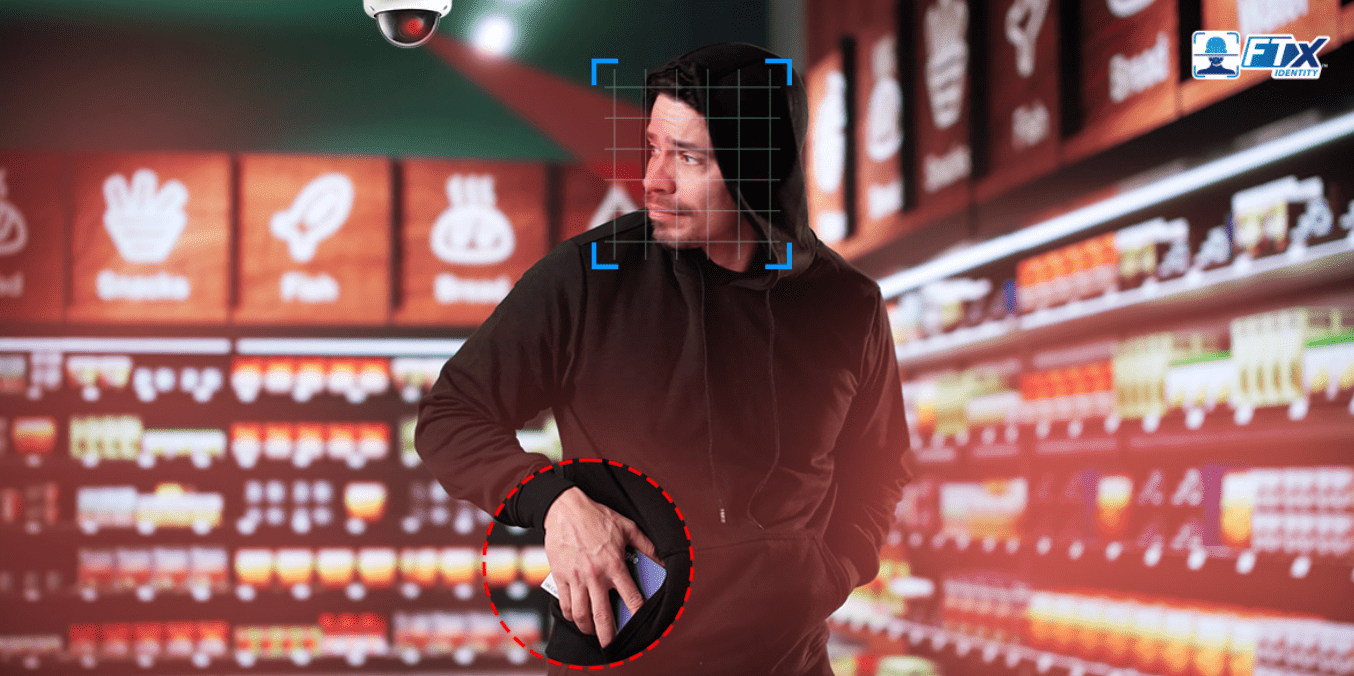
Sainsbury’s Expands Trials
Sainsbury’s, the UK’s second-largest supermarket, is trialling facial recognition cameras in stores in London and Bath. The system, provided by Facewatch, alerts staff when known repeat offenders enter the store or when shoplifting is detected. If successful, the retailer may expand the rollout.
“The retail sector is at a crossroads,” said CEO Simon Roberts. “We’re seeing rising abuse, antisocial behaviour and violence against staff.”
According to the UK Office for National Statistics, 530,643 shoplifting offences were recorded in England and Wales in the year to March 2025 — a 20% jump and the highest figure in more than two decades.
Australian Crime Rates Also Soaring
Australia is seeing similar trends. The ABS reported a 6% rise in theft victims in 2024, reaching a 21-year high of 595,660 cases.
In Victoria, cost-of-living pressures have driven a major spike in retail theft. Crime Statistics Agency data shows shoplifting incidents increased 38.6% to 22,850 in the year to March 2025 — the highest of any state.
Legal and Ethical Debate Intensifies
Karen Yeung, a law professor who has advised the UK government, said the rapid spread of facial recognition reflects its low cost and ease of deployment.
“Facial recognition technology is now cheap, out of the box and easy to use,” she said. “Combined with the rise in shoplifting associated with the cost-of-living crisis and austerity, it is an attractive tool for retail outlets.”
Civil liberties organisations continue to fight its adoption. Big Brother Watch, which is supporting legal action against police and retail use of the technology, called Sainsbury’s trial “deeply disproportionate and chilling.”
The group warned that facial recognition “turns shoppers into suspects,” and raised concerns about wrongful identification, blacklisting and misuse.
Public Support Higher Than Critics Claim
However, consumer sentiment in the UK appears more supportive than activist groups suggest. A recent King’s College London survey found:
66% of people are comfortable with police using facial recognition, citing safety and crime prevention.
Two in five trust police to use the technology ethically.
Many respondents saw “no real difference” between facial recognition and traditional CCTV.
A separate poll by the Alan Turing Institute also found sustained public support for police deployment of the technology.