Valve’s New Steam Machine Could Shake Up Console Market, Threaten Sony and Microsoft But Good News For Retailers
 David Richards
17 Nov 2025
David Richards
17 Nov 2025

Valve is gearing up to re-enter the living-room hardware market with a new Steam Machine platform, leveraging advances in chipsets and AI-driven software. The move comes as Microsoft struggles to grow its gaming business despite spending billions on studio acquisitions.
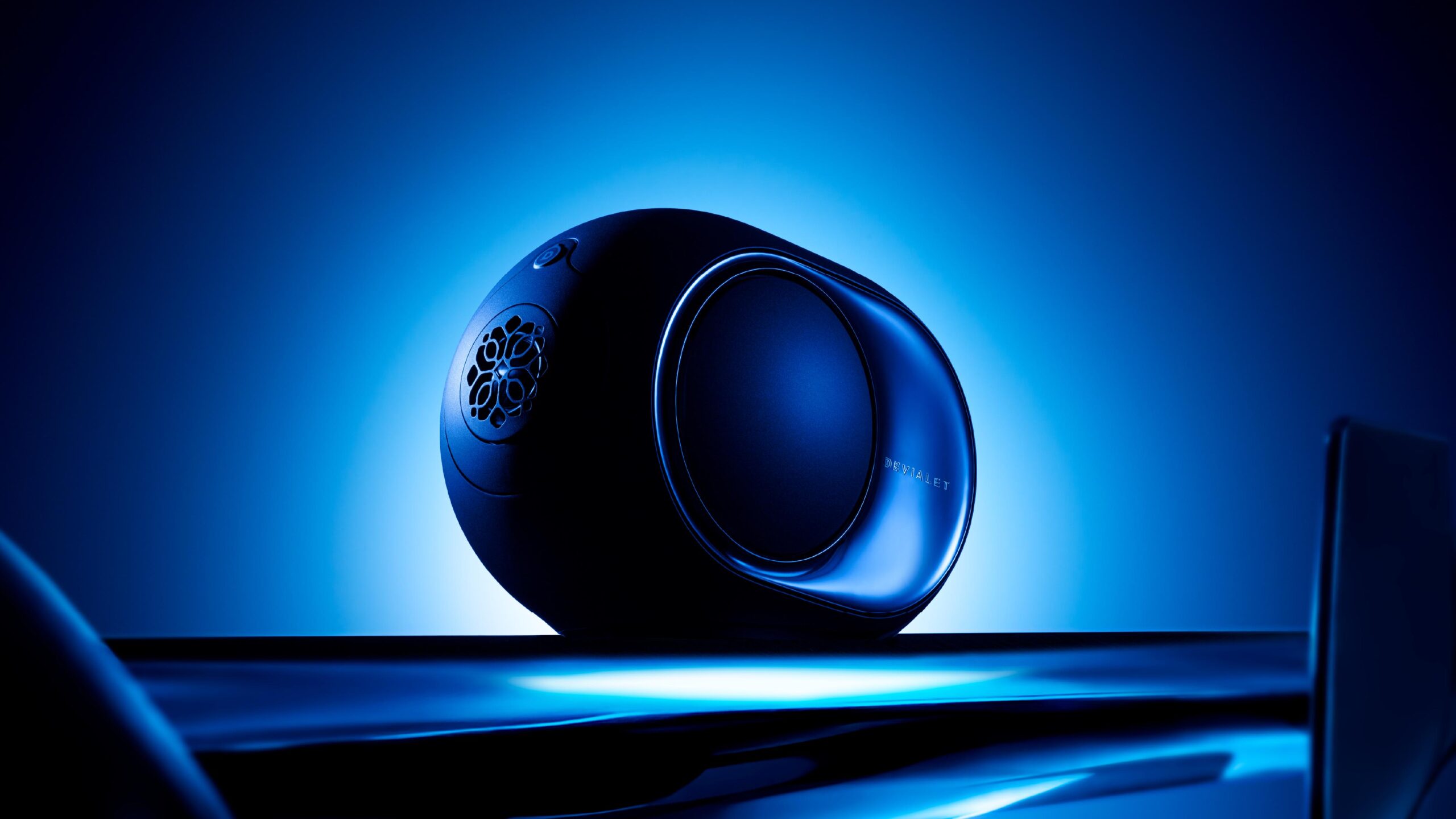
The upcoming Steam Machine is described as a custom PC built to function like a console, providing seamless access to users’ existing Steam libraries.
While Microsoft has hinted that its next-generation Xbox hardware could adopt premium pricing, Valve appears to be targeting mass-market affordability, with performance comparable to current high-end consoles and a price tag expected to be highly competitive.
Sony and Microsoft Under Pressure
According to UK outlet Games Industry.biz, both Sony and Microsoft are pushing to squeeze more revenue from their platforms by raising game prices and limiting availability to their own digital stores. Meanwhile, Microsoft is undertaking what GIB describes as a “ponderous and complex pivot” to merge Xbox more tightly with Windows, effectively turning future Xbox hardware into console-style PCs tied to the Xbox ecosystem and Game Pass subscriptions.
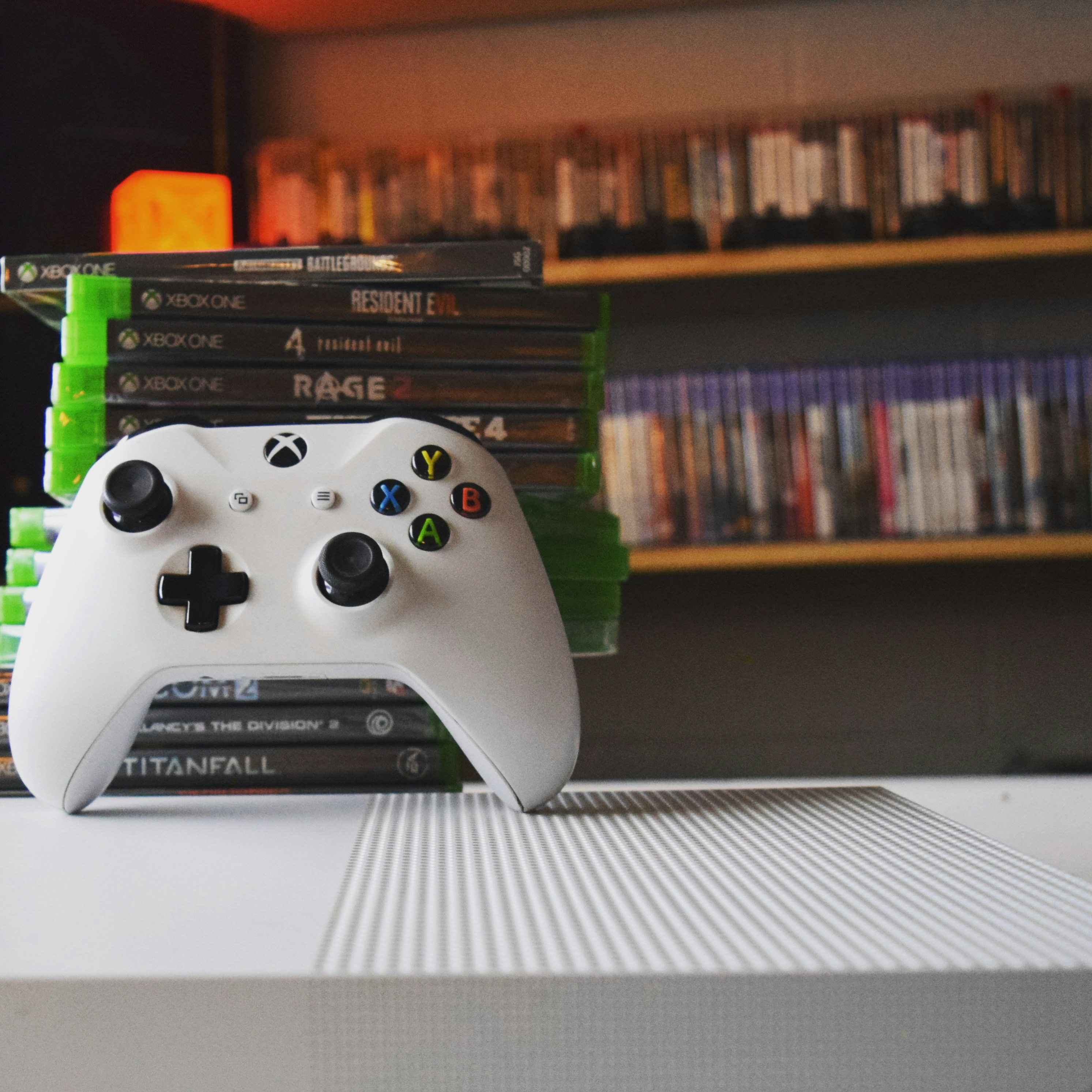
Details remain scarce but Microsoft is determined to make the Xbox more competitive with its rivals
Microsoft has already begun rolling out pricey Xbox-branded handheld PCs, and analysts believe its next major Xbox release will follow a similar model: a high-end, Windows-based device priced closer to a custom gaming PC than a traditional console.
Valve’s Advantage: Libraries, OS Performance, and Price
For more than 20 years Valve’s Steam platform has dominated PC game distribution, leaving even casual players with extensive game libraries. That alone gives Valve a powerful advantage.
“Even if Microsoft lets users drop into a Windows desktop and install Steam, the appeal of an affordable console-like box that boots directly into your Steam library is extremely hard to beat,” GIB notes.
Valve’s Linux-based SteamOS—capable of running most Windows games with minimal issues—has also proven to be a technical standout. In many gaming benchmarks, SteamOS outperforms Windows on identical hardware, even while relying on an emulation layer. This means Valve can deliver solid performance on older or cheaper chipsets—something Microsoft would struggle to match if its next Xbox depends heavily on Windows.
The success of the Steam Deck has underscored Valve’s software optimisation strengths. Its lightweight OS, combined with Valve’s developer partnerships to fine-tune default settings, has made the handheld a stronger performer than many Windows-based competitors at similar price points.
A Renewed Hardware Push
Valve’s earlier attempt at a Steam Machine a decade ago faltered. But with the Steam Deck, Valve has solved many of the problems that plagued the original effort—giving the company confidence to re-enter the console space at scale.
Alongside the new Steam Machine, Valve is also preparing an upgraded Steam Deck once new chipsets allow, and the company is developing a new VR headset that appears far more ambitious than Sony’s long-neglected PlayStation VR line.
A New Headache for Sony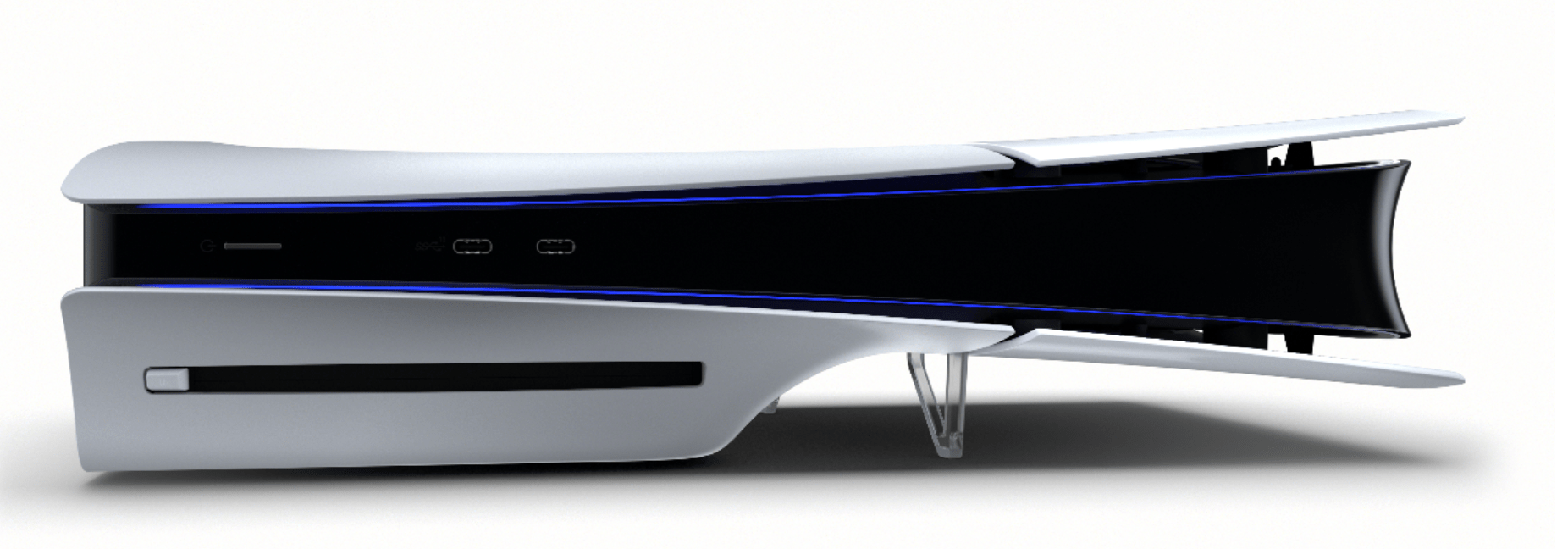
For Sony, Valve’s renewed hardware ambitions represent a significant competitive threat. The next Steam Machine will directly challenge the PS5’s market position, while the Steam Deck could be a real rival to Sony’s rumoured new handheld.
Meanwhile, Valve’s VR push highlights Sony’s inconsistent commitment to virtual reality, positioning Valve as the more serious long-term player.
Retailers Could Be the Big Winners
If Valve launches aggressively in 2025–2026, major retailers such as JB Hi-Fi and EB Games could be the major beneficiaries. With Steam Machines hitting the console price bracket but offering PC-level flexibility, retailers stand to gain from a broader customer base and higher accessory and software sales.
Valve, it seems, is preparing a major multi-front challenge—one that could reshape the console landscape and put Sony and Microsoft on notice.