Australian Retail Performs Better Than Expected, But Dollar Is Struggling
 Varun Godinho
03 Feb 2025
Varun Godinho
03 Feb 2025

The Australian Bureau of Statistics (ABS) published retail sales data for the month of December that showed the segment performing better than what analysts forecasted, but the Australian dollar has hit a new four-year low putting immense pressure on several retailers that rely heavily on imports.
ABS data released on Monday showed that Australian retail sales decreased 0.1% in December, from November, which was less than the 0.7% drop that analysts expected.
“Retail spending held firm following strong growth in recent months with promotional activity stretched across the quarter,” said Robert Ewing, ABS head of business statistics, said.
“Cyber Monday fell in early December and boosted spending to begin the month, particularly on discretionary items like furniture, homewares, electronics and electrical items.”

Annual retail sales rose 4.6% versus a just 1% gain in December 2023. Inflation-adjusted retail volumes climbed 1%.
“Retail sales volumes rose for the second straight quarter, boosted by continuous promotional activity,” said Ewing. “Sales events throughout the quarter like Black Friday and Cyber Monday saw more discretionary spending on things like furniture, electronic goods and clothing.”
ABS’ retail data showed that household goods retailing advanced 1.6% in December. Clothing, footwear and personal accessory retailing dropped 1.8%.
On Monday, the Australian dollar was hit by a surge in the US dollar prompted by the US government imposing tariffs on major trade partners including Canada, Mexico and China, and retaliatory measures by those countries that can spark a global trade war.
The Australian currency fell to as low as US61.21¢ on Monday morning — the lowest level since March 2020.
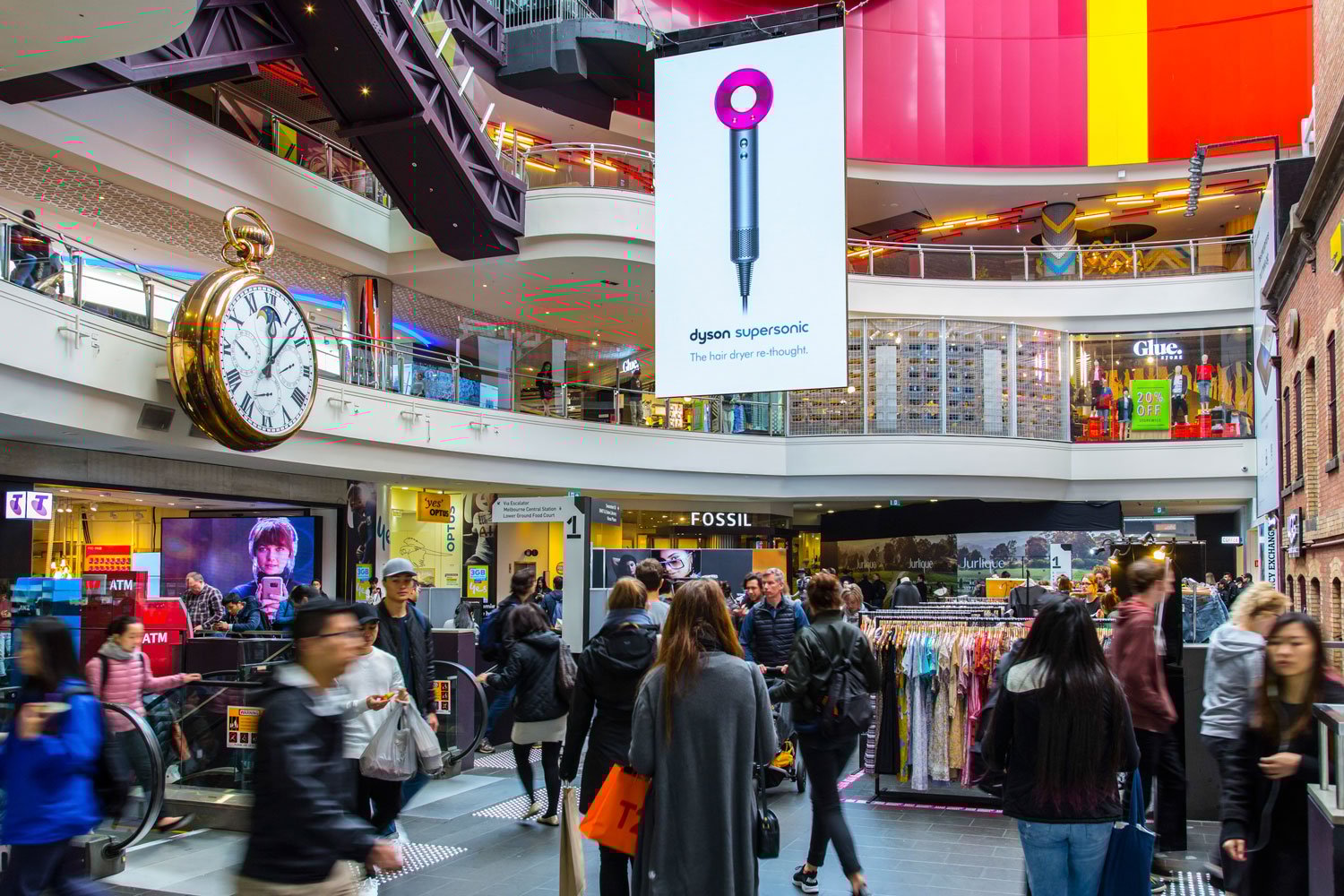
Inflation is cooling and retails sales are improving – an important consideration in policy decisions as consumption accounts for more than half of gross domestic product.
The question now is whether the RBA will respond and cut interest rates which have been at a high 4.35% since November 2023.
The weak dollar could be a deciding factor as the RBA meets next month and considers whether the inflation numbers and retail sales are enough for it to reduce the cash rate.