Australian Economy Surges to Three-Year Peak as Rate Cut Hopes Fade
 Isabella Alexiou
02 Dec 2025
Isabella Alexiou
02 Dec 2025
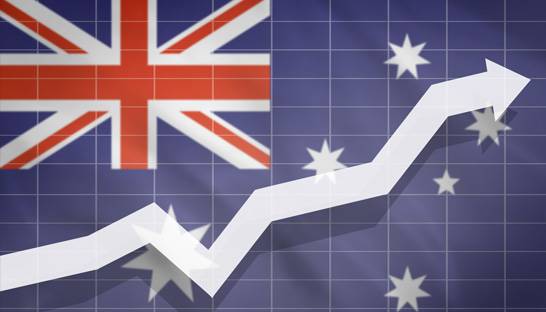
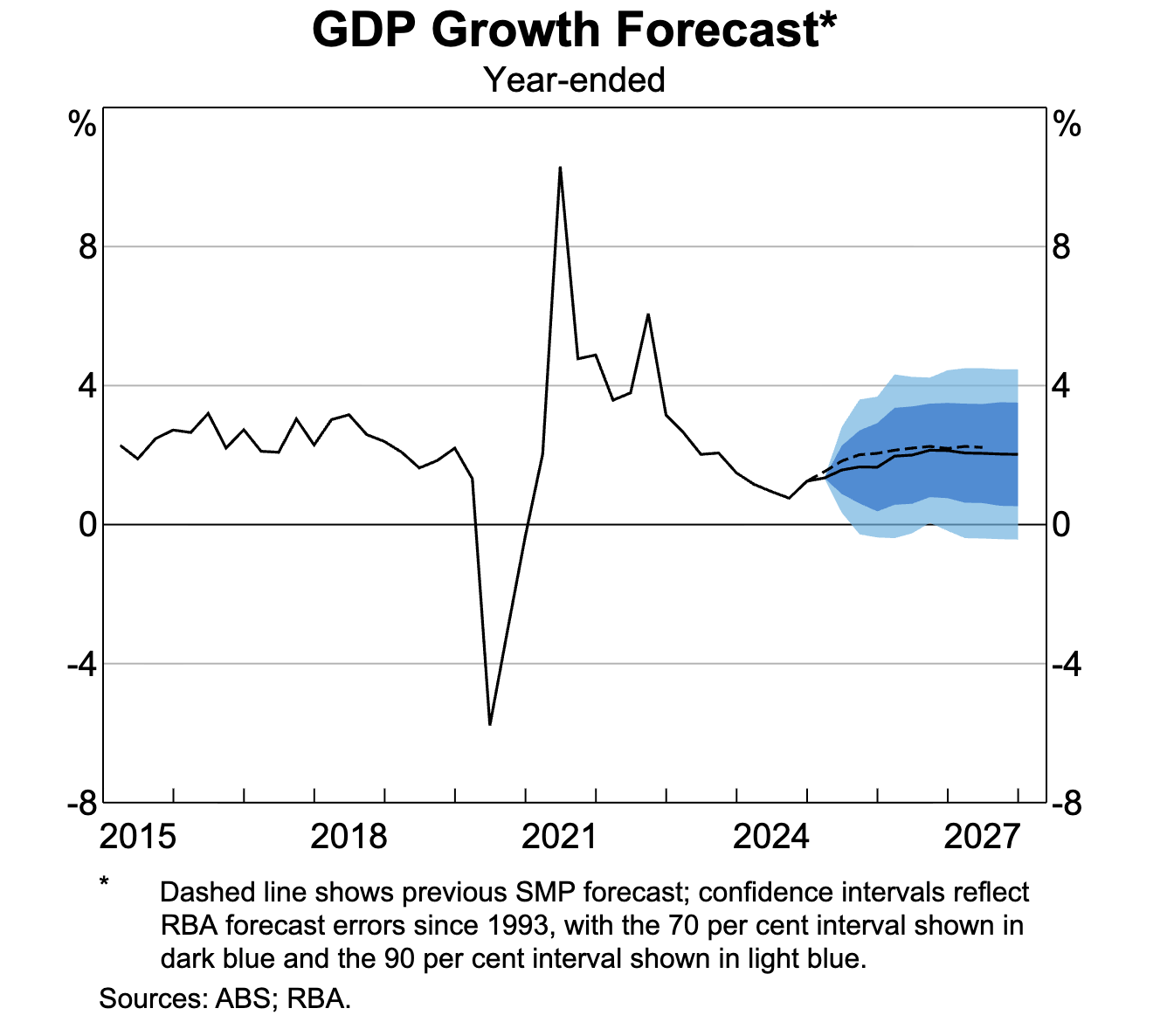
Australia’s economy likely posted its strongest quarterly growth since late 2022, with economists forecasting 0.7 per cent expansion for the September quarter ahead of Wednesday’s official data, sparking debate over whether the RBA’s next move will be a rate hike rather than a cut.
Annual growth is expected to reach 2.2 per cent, exceeding the economy’s 2 per cent potential rate and prompting financial markets to price a 50-50 chance of an interest rate increase by late 2026, a dramatic shift from earlier expectations of further cuts.
Business investment is booming, with spending on new machinery surging 11.5 per cent last quarter, the strongest gain in over two decades.
The uplift extended beyond data centres and aircraft to consumer-facing sectors, including hospitality and recreation.
Construction activity is accelerating, with residential building work recording its sharpest increase since March 2015, excluding pandemic periods.
The government’s target of 1.2 million new homes by 2029 is providing additional momentum as states ease planning restrictions.
Consumer spending remains robust, with Westpac data showing households are spending a larger share of income than at any point in the past two years.
Record property prices are amplifying the wealth effect, encouraging increased outlays among homeowners.
However, weak productivity growth means any demand surge could reignite inflation.
HSBC chief economist Paul Bloxham warned that without better policy coordination, “interest rates may have to be lifted sooner, rather than later.”
Treasurer Jim Chalmers has flagged budget savings in December’s mid-year update, while RBA Governor Michele Bullock faces parliamentary questioning on Wednesday, just before the GDP release.