Exclusive: Yope CEO On Australian Teens Migrating To His Platform
 Chris Griffith
02 Dec 2025
Chris Griffith
02 Dec 2025
Australia’s ban on social media use for those under 16 is sparking anxiety and opportunity. For some, it’s a forensic future, navigating a shadowy world of VPNs, fake identities, and masking tools designed to conceal giveaway metrics such as friends’ ages, device IDs, app IDs, online profiles, content choices and their browser caches—just to keep using their favorite platforms. Others interpret the ban as targeting only a handful of mainstream apps. They’re already migrating together to alternative and often new platforms, eager to reconnect with friends, share content, and rebuild their digital profiles in new communities. Software vendors are seizing the moment to welcome these displaced users.
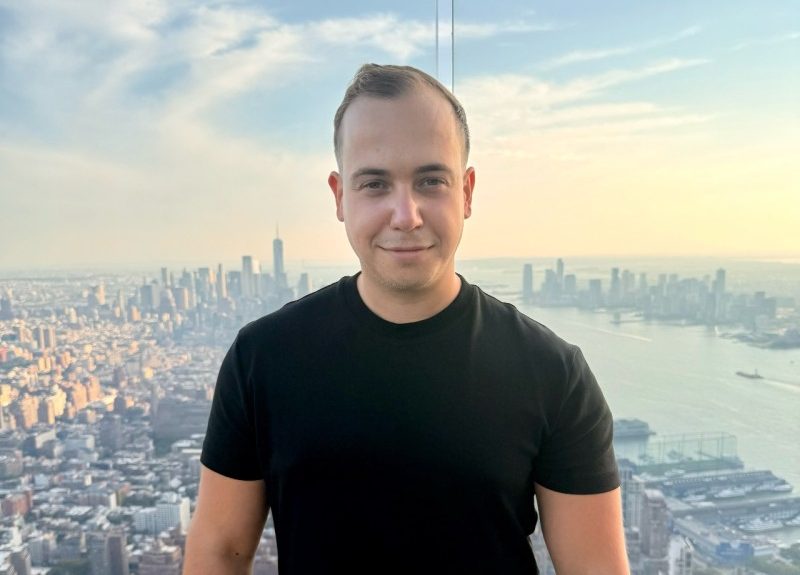
One of them is Bahram Ismailau, a UK-based developer who originally hails from Belarus. As CEO of Yope, Ismailau is positioning his app as a refuge for Australian users. Yope offers a distinctive model: photo sharing within invitation-only private groups, free from the algorithms that dominate traditional social media. Ismailau has been quietly leading this algorithm-free revolution, and the Australian ban has opened a new front for his vision.
Speaking exclusively to Channel News Australia, Ismailau sees the Australian Gen‑Z market as a major opportunity. Already, more than 100,000 Australians have signed up to Yope. But it’s not only Australia. Yope has topped the lifestyle app charts in France, Belgium, Portugal, Italy, Vietnam, and Romania, proving its appeal across diverse markets.
The question now is whether Yope can truly become a safe haven for under‑16 Australians eager to keep chatting and sharing images in a ban landscape.
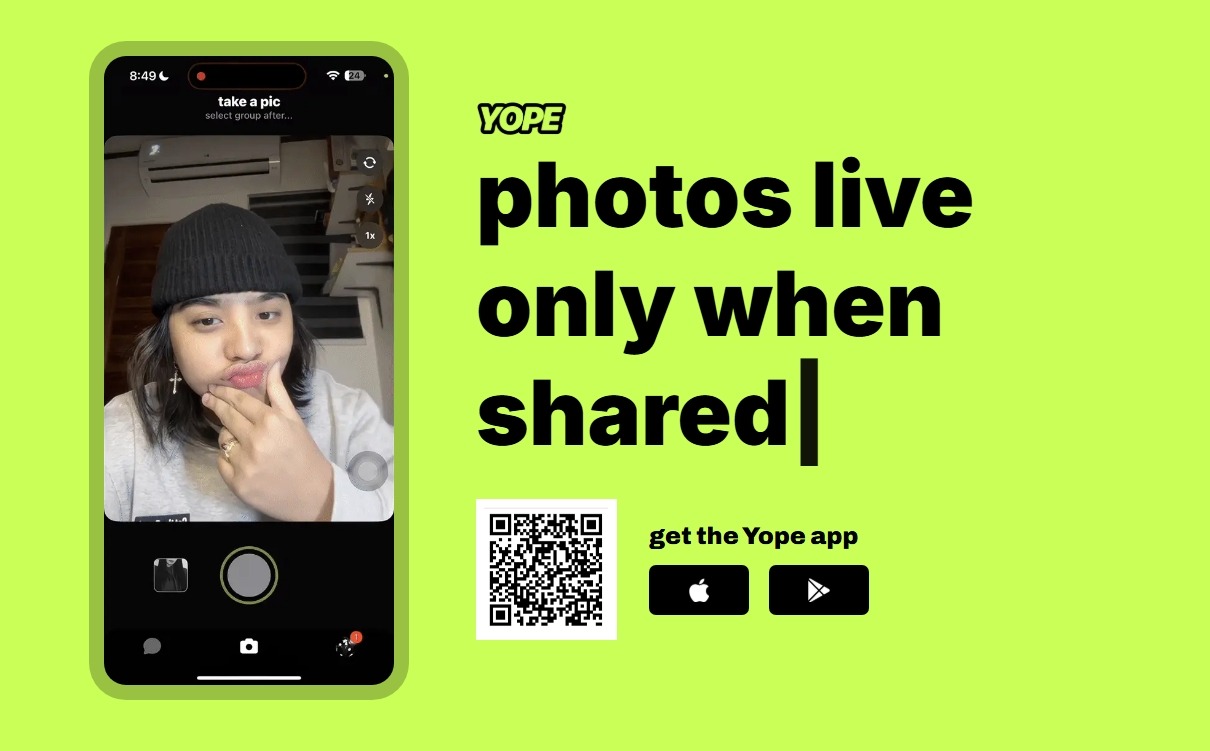
Social media app Yope“Yes, I’m absolutely sure about that! Yope isn’t a social network in the classic sense. We don’t have open browsing or an algorithmic feed,” says Ismailau.
“Yope is a deeply private way to stay connected with close friends and family. It’s only the friends you personally accept, with zero uncontrolled content like on Snap or IG (Instagram). We don’t have followers, views, or public content. We don’t have public profiles. So in terms of privacy and intimacy, Yope works more like a messenger. In contrast to social networks like Snap or IG, we’re extremely private. Yope focuses on the people you know, who know you. And does it privately, without showing anything to third parties.”
So you don’t foresee being asked to introduce age verification measures in Australia? “I’d say Yope doesn’t just comply with the new law, it embodies its spirit. From day one, we built it for people who have nowhere to share their life with friends without judgment or comparisons to celebrities – because that’s exactly the experience people face today on Snap or IG. And we created that place, Yope – a genuinely good and safe space.”
So what’s your personal view about the coming ban in Australia? Should we be shielding young teens against extreme content and the control exercised by algorithms?
“I strongly believe that platforms with algorithmic feeds and public content like IG, Snap, X that the user never chose to use shocking content to boost engagement. I’m certain of this, and it’s backed by plenty of research and by my own experience. Consuming that kind of content makes you feel worse. Every one of us has felt that many times. Yope changes that. There’s no algorithmic content and nothing unexpected – just like in WhatsApp, you can only receive messages from people you personally approved as friends. That sense of control sits entirely with the user.”
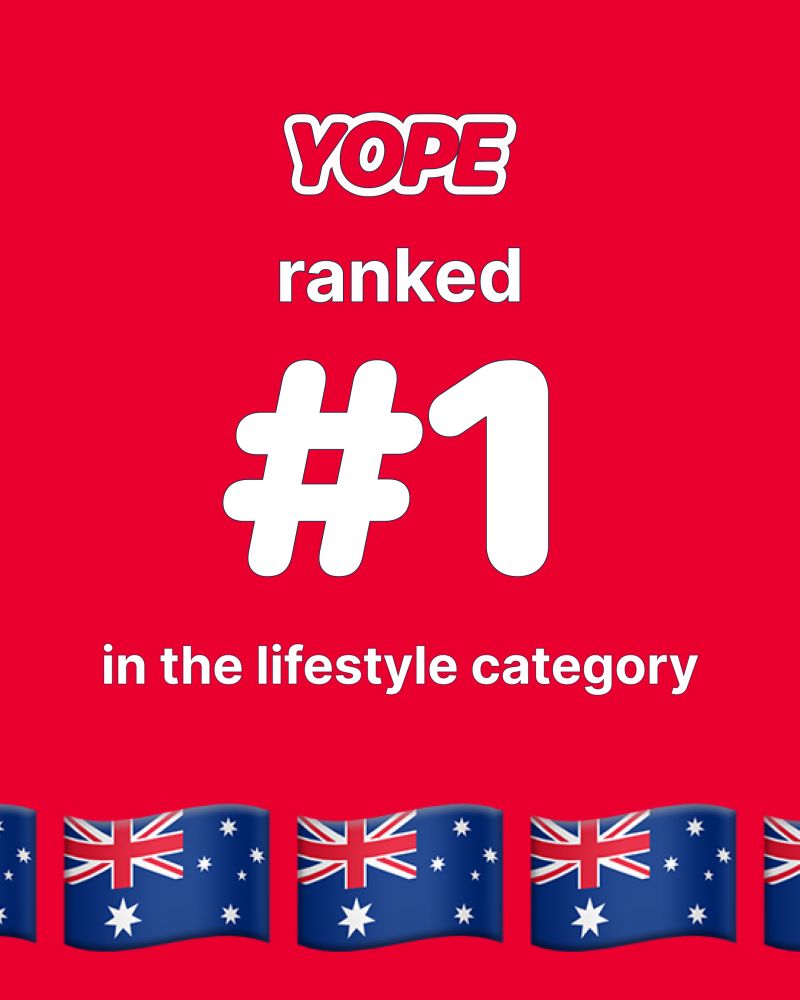
Yope hits No 1 Lifestyle App in Australia
There is also the question of exposure of children and teens to predatory adults online – pedofiles and scammers, and exposure to cyber bullying. “It’s one of the key reasons we built Yope – we’re tired of all this and wanted a place where you can share your life with friends without drowning in the trash content algorithms pushed at you.
“Every person encounters aggressive content in any social network with an algorithmic feed – just open Facebook, X, or Instagram Reels. I don’t think the problem is teenagers, the problem is how these algorithms work. Because those social networks make money by selling the time you spend staring at the screen – and once a company commits to that path, you as a user are doomed to drown in shocking content and anything else that keeps you hooked.”
Even so, he stops short of supporting Australia’s under‑16 social media ban.
“I’m an entrepreneur who grew up in a country where the government tried to restrict a lot, so I know for sure – that’s never the solution,” Ismailau says. “Should we protect young minds from it? Yes, absolutely. You should believe in your kids, but always be close enough to support them. But is a ban a good solution? No. Look at the history of bans in any harmful environment – it’s almost always a failure.
“What I want to say is this: awareness and creating safe conditions is the right direction, but it has to be done thoughtfully and reasonably. Switching to Yope is part of that reasonable path – users moving from Snap to Yope are already leaving thousands of comments about how simple it is and how good it feels to have no trash content and no strangers. That’s the solution I mean – not a ban, but creating real alternatives, and then people naturally choose what’s better for them.
“And they’re doing it on their own. No pressure at all.
“We didn’t run any ads in Australia. Not a single one. Just like 100,000 Australian teens moved away from Snap’s algorithmic feed to a private, memory-sharing experience with friends on Yope. So they’re moving into a completely safe space where they’ll never encounter shocking content, yet they still get the features they actually want – the ability to instantly share their life with friends and family. Isn’t that great?”