ASUS Debuts AI-Focused ProArt PCs Powered by NVIDIA’s New RTX Spark
 Joe Gallop
04 Jun 2026
Joe Gallop
04 Jun 2026
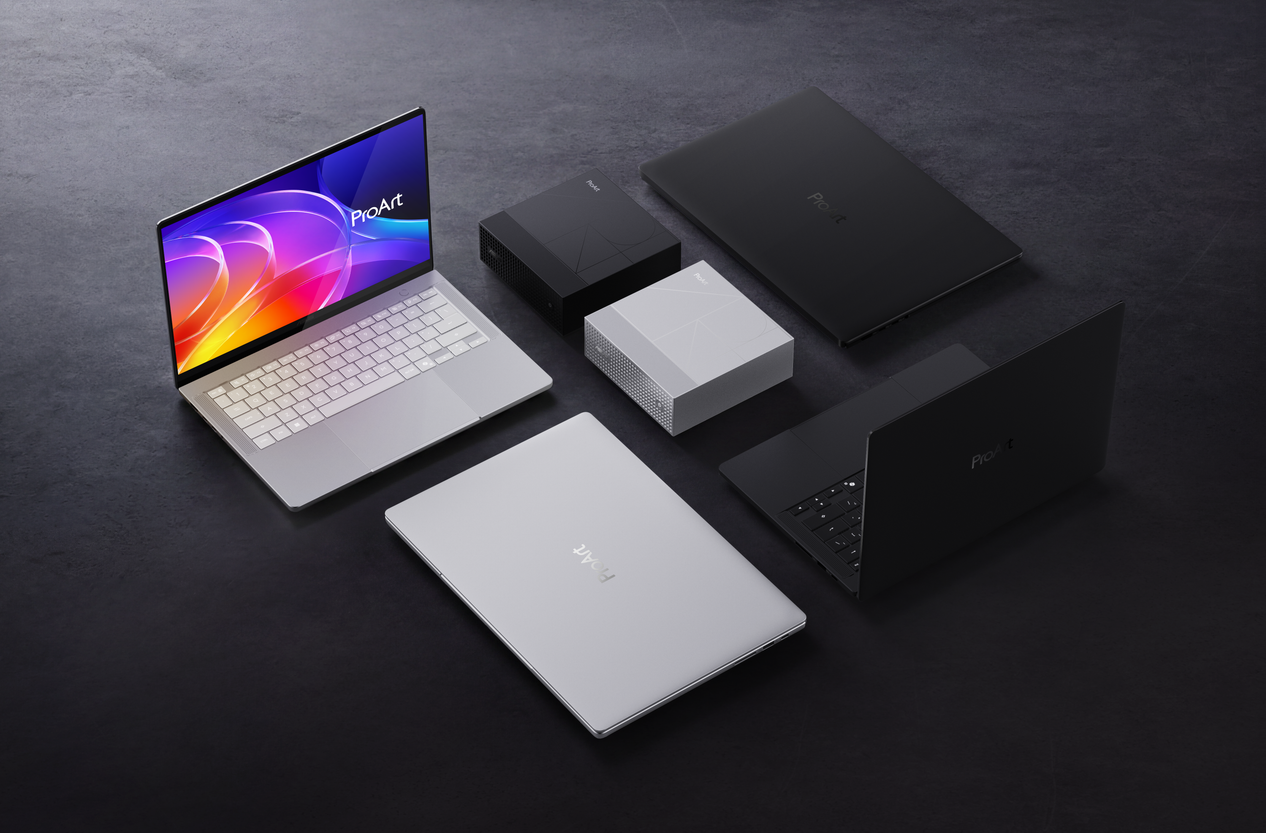
ASUS has unveiled a new generation of ProArt creator PCs powered by NVIDIA’s RTX Spark platform at Computex 2026, positioning the devices as some of the first Windows PCs designed specifically for local AI agents and advanced generative AI workflows.
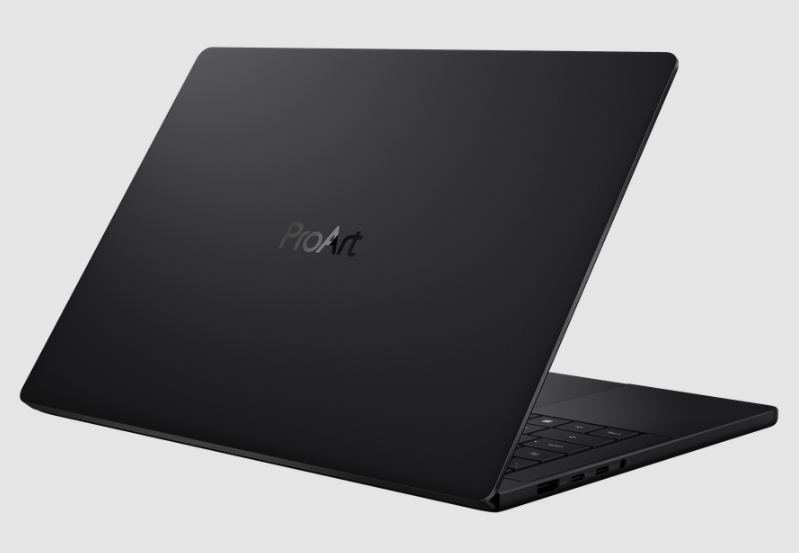
The new lineup includes the ProArt P16 and ProArt P14 laptops alongside the ProArt Mini PC, targeting creative professionals, developers and AI-focused users who require high-performance on-device AI processing.
At the heart of the new systems is NVIDIA’s RTX Spark “superchip”, also announced at Computex, which combines a Blackwell RTX GPU with a 20-core Grace CPU.
ASUS claims the platform delivers up to 1 petaflop of AI performance and supports up to 128GB of unified memory, enabling users to run large AI models locally rather than relying on cloud-based services.
According to ASUS, the systems can handle demanding workloads including rendering 90GB-plus 3D scenes, editing 12K video, generating 4K AI video content and running large language models with up to 120 billion parameters and one million tokens of context.
The ProArt P16 and P14 feature ASUS Lumina Pro OLED displays, with the P16 offering up to a 4K 120Hz panel with NVIDIA G-Sync support.
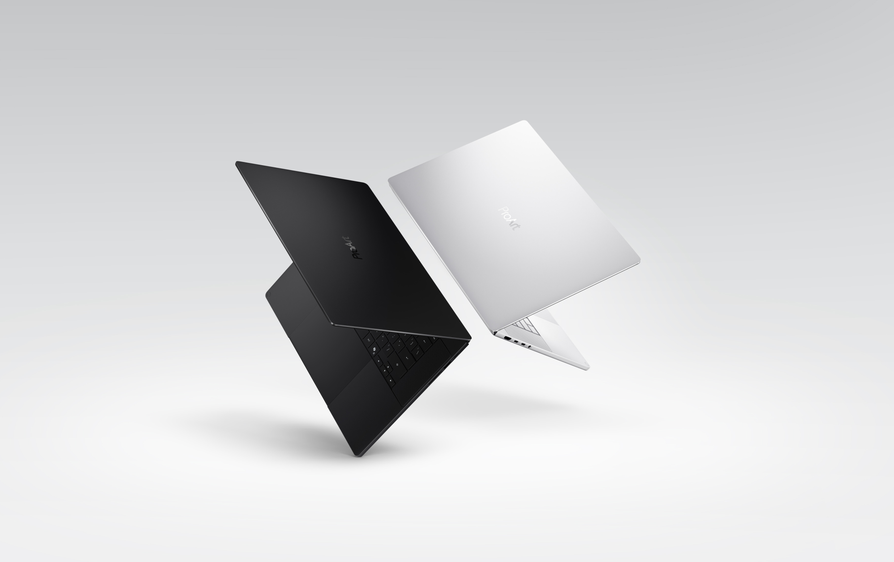
ASUS says the new models are thinner and lighter than previous-generation ProArt laptops while maintaining all-day battery life.
ASUS is also expanding its AI software ecosystem, integrating tools such as ProArt Creator Hub, MuseTree and StoryCube, alongside bundled subscriptions for Adobe Creative Cloud, Goodnotes and GoPro Cloud.
The company says the platform is optimised for more than 1,000 AI-accelerated applications, including Adobe Creative Suite, Blender, Blackmagic Design software and ComfyUI.
The compact ProArt Mini PC brings the same RTX Spark architecture into a 150 x 150 x 51mm chassis, with support for 10GbE networking, PCIe Gen 5 storage expansion and sustained AI workloads through a 140W thermal design.
ASUS says the new ProArt systems will be showcased throughout Computex, with availability scheduled to begin in selected markets during the second half of 2026.
Local Australian pricing and availability are yet to be confirmed.