Apple’s Foldable IPhone Remains On Track For September Launch Despite Production Questions
 April Ossington
08 Apr 2026
April Ossington
08 Apr 2026
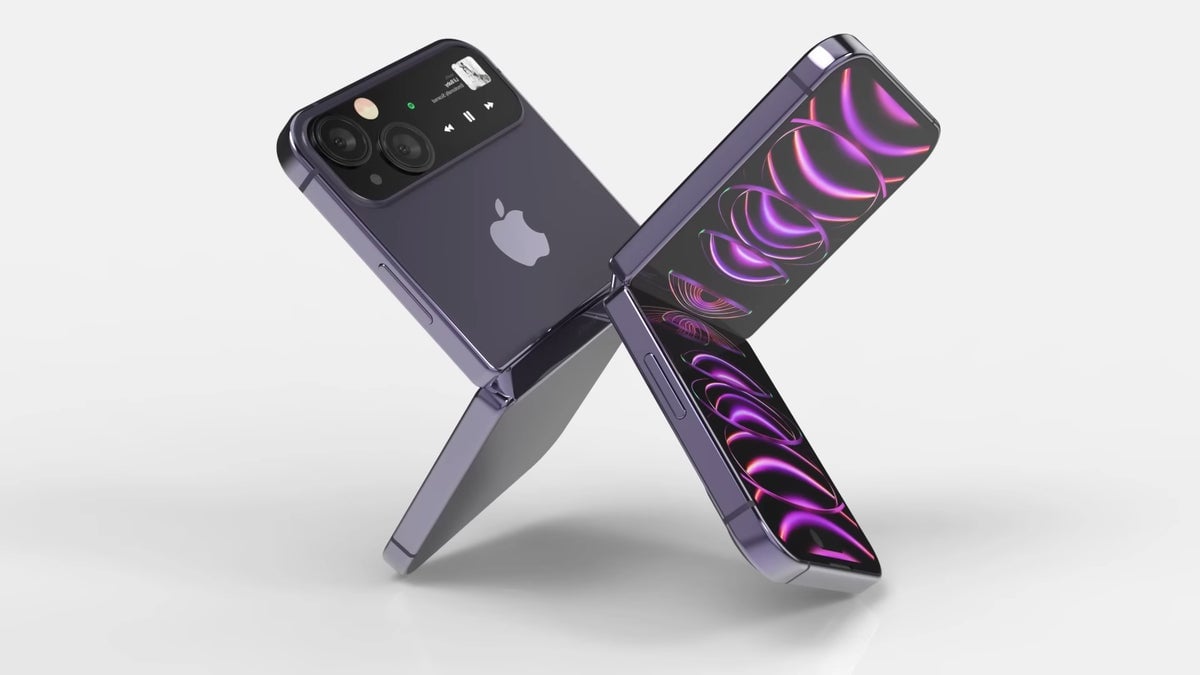
Apple is still aiming to unveil its first foldable iPhone later this year, with current plans pointing to a September introduction alongside its next flagship models. Sources familiar with the company’s timeline indicate the device is expected to be revealed with the iPhone 18 Pro and Pro Max, before reaching stores shortly after.
Recent speculation suggested the project could face delays, following reports that Apple had encountered technical hurdles during testing. That news unsettled investors, sending the company’s share price down by as much as 5.1 per cent at one point. However, losses eased later in the day, with the stock closing lower by about 2.1 per cent, or roughly A$385 based on US pricing.
Despite concerns, Apple appears to be proceeding with its original schedule. There may still be some constraints early on, particularly due to the complexity of the foldable display and materials, which could limit initial supply. Even so, the company is working towards launching the device around the same time as its standard models, or soon after.
The foldable iPhone represents a significant step in Apple’s broader strategy to refresh its core product line. The company is looking to introduce new designs and higher-end options as it competes with rivals that have already established a presence in the foldable category. Manufacturers such as Samsung and several Chinese brands have been selling similar devices for years.
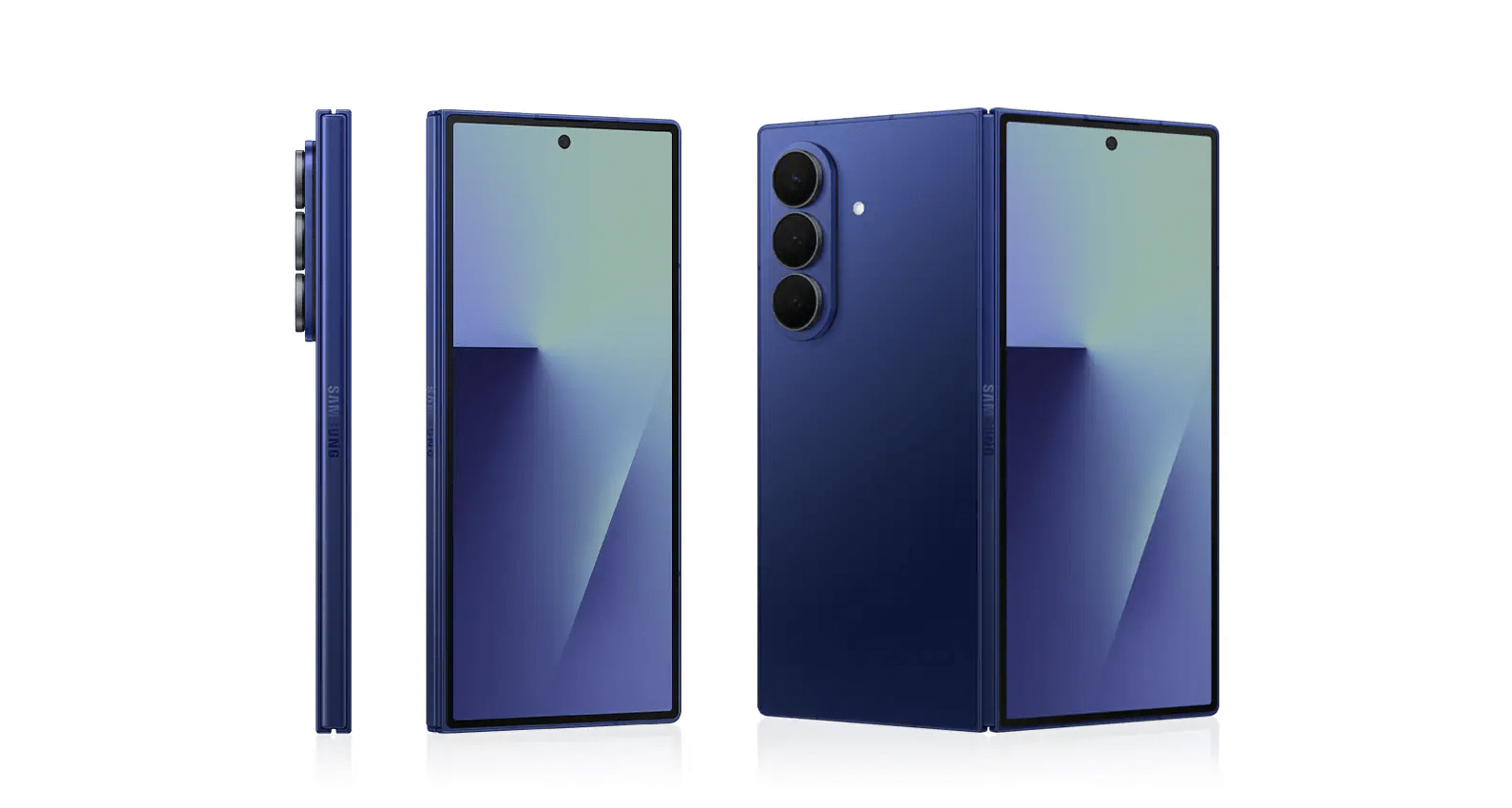
This release forms part of a longer-term plan to reshape the iPhone. Apple began this process with updated Pro models and a slimmer variant introduced previously, and is expected to continue with further changes leading up to a major redesign planned for the iPhone’s 20-year milestone.
Internally, the iPhone roadmap has been a key focus for leadership, with hardware development playing a central role in the company’s future direction. The foldable model is expected to adopt a design similar to existing devices in the category but with refinements aimed at addressing common issues.
Engineers have reportedly worked to improve durability and reduce the visibility of the screen crease when unfolded, which has been a persistent criticism of foldable phones. The device is also expected to open into a wider, landscape-oriented display, offering a better experience for video playback and gaming compared with narrower designs.
To complement the hardware, Apple is preparing software updates that will allow apps to scale more effectively across the larger screen, bringing them closer to the layout and functionality seen on iPads.
Pricing is expected to be positioned at the top end of the market, with estimates suggesting it could exceed A$3,000. While that may limit its appeal to some buyers, it is likely to lift Apple’s average selling price and contribute to revenue growth.
Alongside this, Apple is also adjusting its release strategy. Future entry-level iPhone models are expected to shift away from the traditional launch window, with some devices planned for release in 2027 alongside new additions to the line-up.
Although the foldable iPhone is still months away and production has not yet fully scaled, current indications suggest Apple is moving ahead with its plans, despite the technical and market challenges involved.