Apple’s AI Mess Spreads, As More Senior Executives Quit & Moral Impacts AI Development
 David Richards
04 Dec 2025
David Richards
04 Dec 2025

Apple—already struggling, like Microsoft, to gain meaningful traction in AI—has suffered another major blow as Meta successfully poached one of its most senior executives.
The move underscores Meta’s accelerating push into AI-driven consumer hardware, a category where Apple continues to lag behind competitors such as Samsung, whose devices are now widely viewed as more AI-capable.
Alan Dye, Apple’s head of user interface design since 2015, has resigned. He will be replaced internally by longtime designer Stephen Lemay, according to sources. Apple confirmed the leadership change in a statement to Bloomberg News.
A core challenge for Apple’s AI strategy is its reliance on server-side data minimization.
While this approach enhances user privacy, it also restricts the amount of information Apple’s AI systems can learn from—making it harder to build the large, context-aware models that companies such as Google and Samsung are already delivering.
Another hurdle is Siri’s aging architecture. Because Siri wasn’t designed for modern generative-AI workloads, revitalizing it is proving extremely complex. Some observers say the process resembles renovating an aging house rather than constructing a new one—fragile, resource-intensive, and full of constraints. As a result, Siri still struggles to maintain context across conversations, causing interactions to feel dated and robotic compared to rivals like Google Assistant or ChatGPT.
Apple’s broader AI initiatives have been described as underwhelming, with promised upgrades repeatedly delayed—some now pushed to 2026 or beyond. The latest executive departures only deepen concerns about the company’s ability to deliver.
In December 2025, Apple replaced departing AI chief John Giannandrea with Amar Subramanya, a veteran of Google and Microsoft. The appointment signaled a renewed attempt to reorganize Apple’s AI strategy, but the plan may need further rethinking as high-level leaders continue leaving for companies perceived as having a stronger AI roadmap.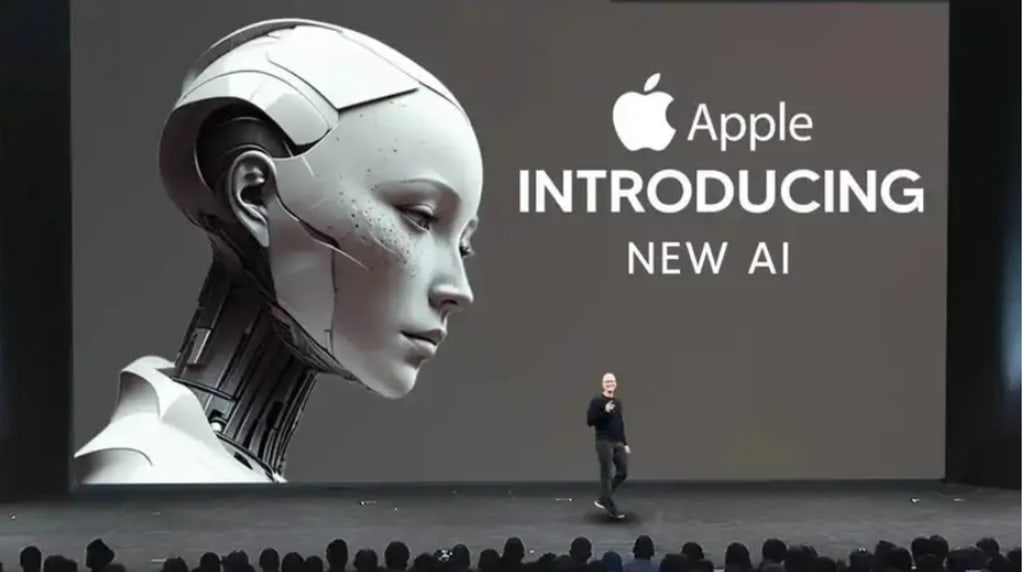
The leadership churn reflects growing unease inside Apple about falling behind in the AI race. The iPhone maker has struggled to ship meaningful new AI-powered capabilities, including next-generation home automation features and new voice-driven smart speakers expected next year. When updates have shipped, some features reportedly performed poorly—such as buggy or inaccurate notification summaries.
According to insiders, morale within Apple’s AI teams has deteriorated, and progress has slowed due in part to leadership misalignment and shifting priorities. Dye’s departure adds to a growing exodus from Apple’s once-legendary design group, which has been steadily losing talent since the departure of design icon Jony Ive in 2019.
Despite the turbulence, CEO Tim Cook praised incoming design lead Stephen Lemay, noting that he has played a central role in shaping every major Apple interface since 1999 and embodies the company’s culture of creativity and collaboration.
Still, the latest exit highlights the mounting challenges Apple faces as it attempts to regain ground in an increasingly competitive AI landscape.