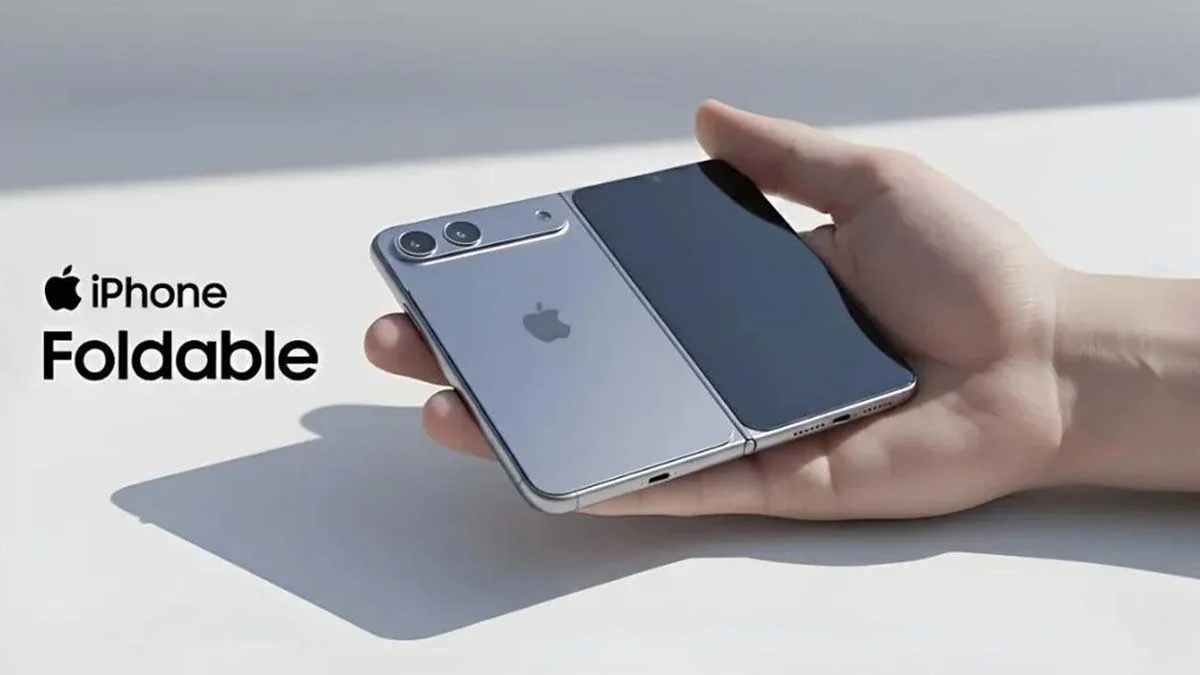
Apple has resolved critical supply-chain bottlenecks for its forthcoming foldable iPhone and is moving forward with a planned September launch, according to briefings the company has provided to multiple research firms.

The tech giant is projected to ship more than 10 million units of the device in its first year, research group IDC claimed overnight, after Apple reportedly agreed to pay higher-than-expected prices for memory components , a cost that sources say will be passed on to consumers and could push the launch model’s price substantially above initial internal forecasts.

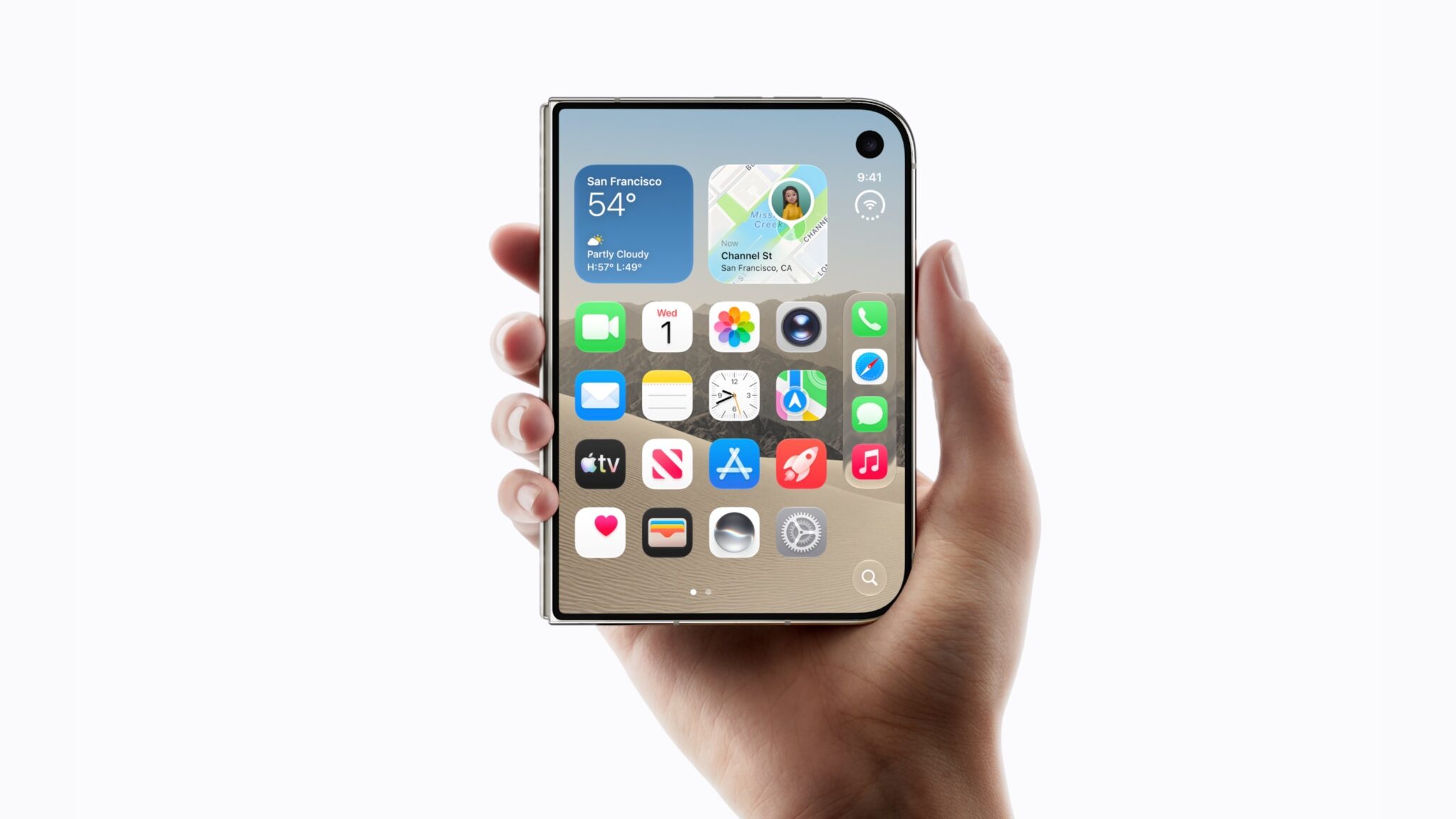
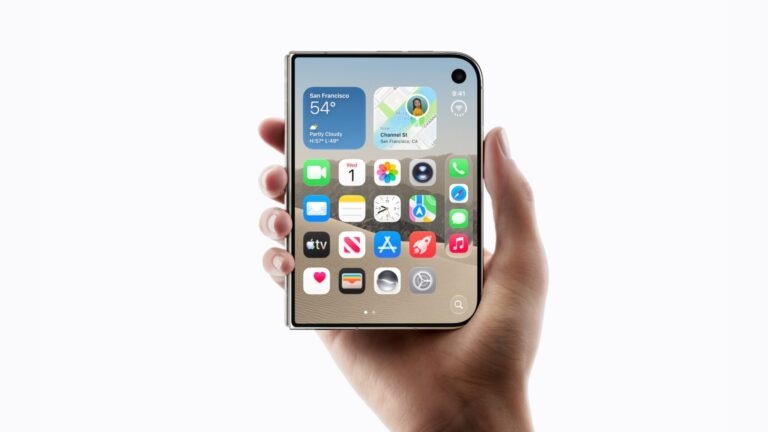
The premium-tier handset, widely described as a “passport-style” device that opens like a book to reveal a tablet-sized display, marks Apple’s first entry into a category pioneered by Samsung Electronics in 2019. Industry analysts view the move as a potential turning point for a segment that has struggled to gain mass-market traction.

“We expect the passport-style Apple foldable to be widely successful despite the high $3,500 price tag,” said Nabila Popal, senior research director at IDC. “A very elite set of consumers are being targeted here, who will be lining up to buy the device.”

The launch comes as the broader smartphone market faces its steepest decline on record. IDC revised its global forecast downward to a 16.7% contraction for 2025, citing rising costs for memory chips and other components that are constraining production and inflating retail prices.

“The components that make AI possible are the same ones in short supply, and their cost is being passed straight through to the shelf,” said Francisco Jeronimo, an IDC analyst. “The era of the cheap smartphone has ended.”

Despite the high price point, IDC projects the foldable category will grow 12.6% this year, accelerating to 18% growth in 2027, with Apple ultimately capturing 40% of all foldable shipments by that year. The firm credits Apple’s entry with rescuing the segment from what would otherwise have been a double-digit percentage decline.

While foldables remain a fraction of the 1-billion-unit global smartphone market, their premium pricing makes them a lucrative opportunity for manufacturers. The device’s final retail price has not been confirmed by Apple, which declined to comment on the record.