Apple Holds iPhone Prices Steady, Squeezing Margins
 Nigel Bowen
15 Sep 2025
Nigel Bowen
15 Sep 2025

While consumers are unlikely to much notice, Apple has shown uncharacteristic restraint with its new line.
It has kept pricing for its iPhone 17 lineup steady in Australia and elsewhere despite higher US tariffs.
The move is aimed at sustaining demand but could squeeze suppliers’ margins.
Channel News reported last week that Apple has offered Australian retailers’ paltry margins of 4%, as opposed to the 40% that are common with less glamorous brands.
Now it seems Korean and Indian suppliers are getting the same sort of treatment.
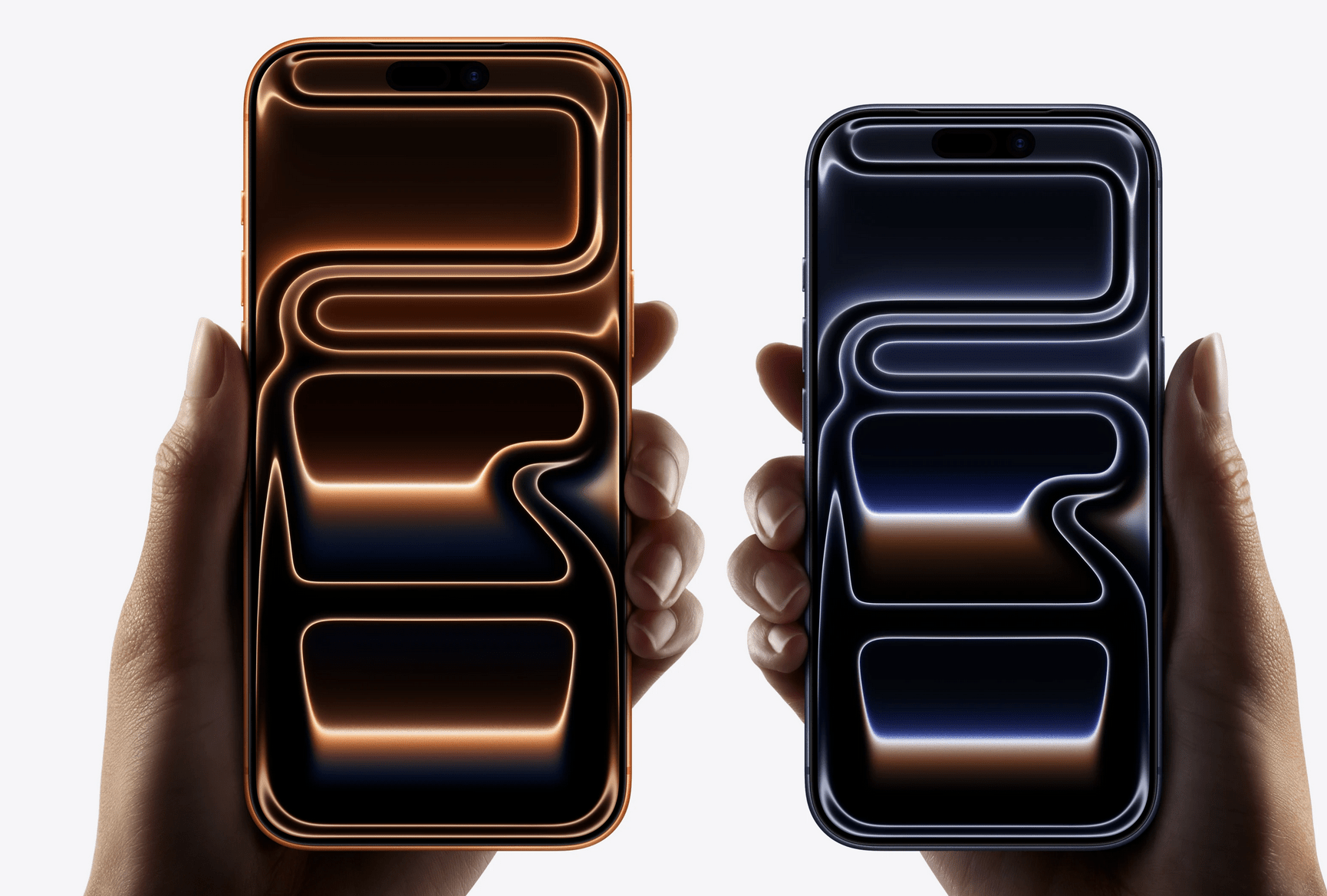
The iPhone 17 now starts at $1,399 for the 256GB model. The iPhone 17 Air begins at $1,799 for 256GB. The iPhone 17 Pro launches at $1,999 for 256GB. The Pro Max starts at $2,199.
These prices are largely unchanged from last year’s iPhone 16 launch.
Analysts say this indicates Apple is absorbing some of the added tariff burden instead of passing it on to buyers.
Reuters reports Apple will swallow more than US$1 billion ($1.5b) in tariff costs this quarter.
The Korea Herald estimates US$800 million ($1.2b) in Q3 and US$1.1 billion ($1.7b) in Q4.
By holding the line, Apple is betting stable volumes will offset slimmer margins.
It’s not just the phones that are getting razor thin
Foxconn is reported to have modestly raised iPhone 17 production targets, with more assembly shifting to India as Apple diversifies away from China.
For Korean firms, the pricing strategy means stable orders but little margin relief.
LG Display supplies OLED panels, while LG Innotek provides folded zoom camera modules. Analysts note Apple’s demand protection strategy will keep shipments strong, supporting top-line sales.
But margins are likely to remain tight for some time.
“Unless additional tariff measures are introduced, the pricing strategy alone is unlikely to bring about a major shift for Korean suppliers. Even if Apple’s sales volumes grow, the impact on parts manufacturers may remain limited,” said Han Chang-wook, executive vice president at UBI Research.
Attention is also turning to Apple’s rumoured foldable iPhone.
If realised, it could create new opportunities for Korean suppliers such as Innox Advanced Materials, which makes OLED films, and Fine M-Tec, a hinge specialist.