Apple Foldable iPhone Reportedly Back On Track For September Debut
 April Ossington
26 Jun 2026
April Ossington
26 Jun 2026
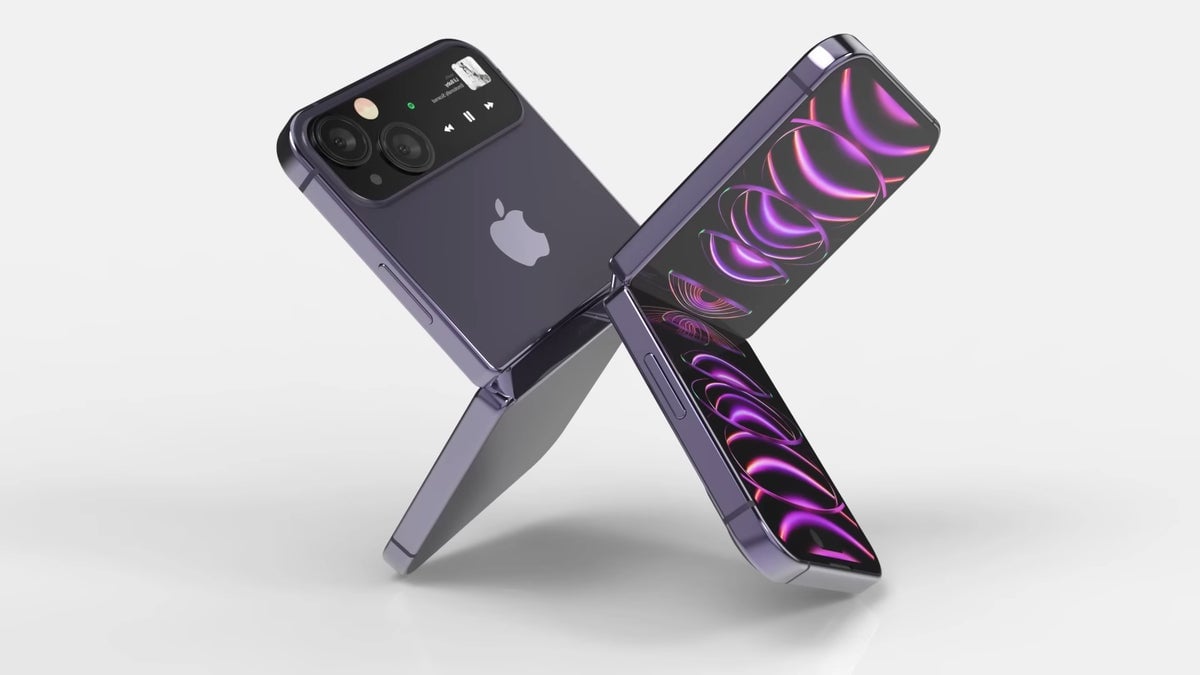
Apple’s long-rumoured foldable iPhone appears to have cleared a significant development hurdle, with reports suggesting the company has resolved key engineering issues that previously raised doubts about its release schedule.
According to industry sources, the device is now expected to enter mass production next month, keeping it on course for a possible unveiling alongside Apple’s premium iPhone line-up in September.
One of the major challenges is believed to have involved the folding hinge, which reportedly produced unwanted noise after undergoing extensive durability testing designed to simulate years of opening and closing. Engineers also faced manufacturing consistency issues, with some components failing to meet Apple’s strict quality standards during production.
The latest reports indicate those problems have largely been addressed, allowing the project to progress towards full-scale manufacturing.
The development marks another shift in expectations for Apple’s first foldable smartphone. Earlier reports suggested the device could miss the annual iPhone launch window, but more recent supply chain information points to the company remaining on schedule.
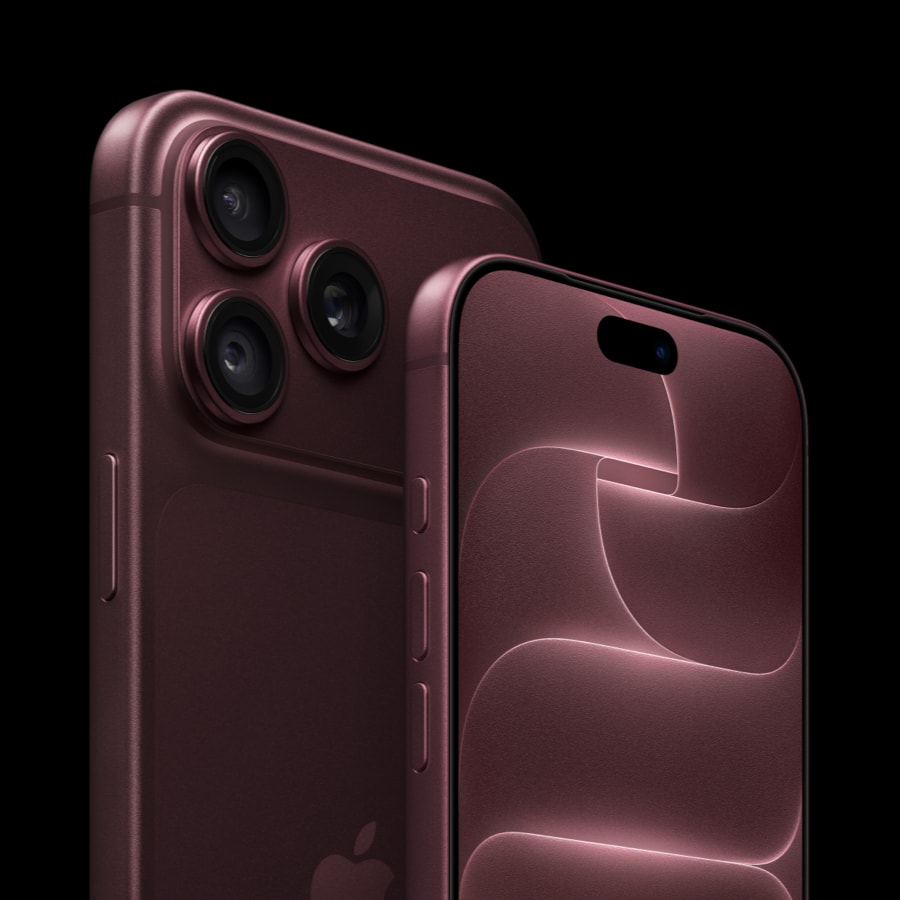
Although Apple has yet to confirm the product publicly, leaks continue to paint a clearer picture of what consumers can expect.
Photographer: Indranil Aditya/Bloomberg via Getty Images
The foldable handset is tipped to feature a 7.8-inch flexible OLED display supplied by Samsung, paired with a 5.5-inch external screen for use while the device is closed. The display technology is expected to use an integrated colour filter design that reduces panel thickness.
Power is likely to come from Apple’s next-generation A20 processor alongside the company’s C2 modem, while the rear is expected to house a dual-camera system.
Rather than adopting Face ID, reports suggest Apple may equip the device with a Touch ID fingerprint sensor integrated into the power button, offering an alternative biometric authentication method that better suits the foldable design.
The foldable iPhone is also expected to command a premium price. Based on estimates of around US$2,000, Australian pricing could start at approximately A$3,100, although Apple has not confirmed official pricing or availability.
Some industry observers believe the device could be marketed as the iPhone Ultra, distinguishing it from the company’s existing Pro models.
Apple has spent several years developing its first foldable smartphone, entering a market where competitors have already refined multiple generations of folding devices. By delaying its launch until engineering challenges were resolved, the company appears intent on avoiding the durability concerns that affected many early foldable handsets.
If current reports prove accurate, Apple’s entry into the foldable smartphone category could become one of the company’s most significant hardware launches in recent years.