Apple Banned From Selling iPhones Despite $1.6Bn Offer
 Varun Godinho
09 Jan 2025
Varun Godinho
09 Jan 2025
Even though Apple has raised the amount it is willing to invest in Indonesia, officials in the country are sticking by their position of maintaining a ban on the sale of iPhones in the country.
Officials in Indonesia have said that Apple’s A$1.6 billion investment plan for the country which includes building an AirTag factory on Indonesia’s Batam island falls short of local investment requirements.
Domestic content rules require Apple to produce part of its smartphones or components onshore, while the AirTag is only an accessory, said Industry Minister Agus Gumiwang Kartasasmita on Wednesday, according to Bloomberg.
“As of this afternoon, the government does not have a basis for issuing the local content certificates” that Apple needs to sell its flagship device in Indonesia, he said. “Apple needs to negotiate with us so that we can issue a certificate.”

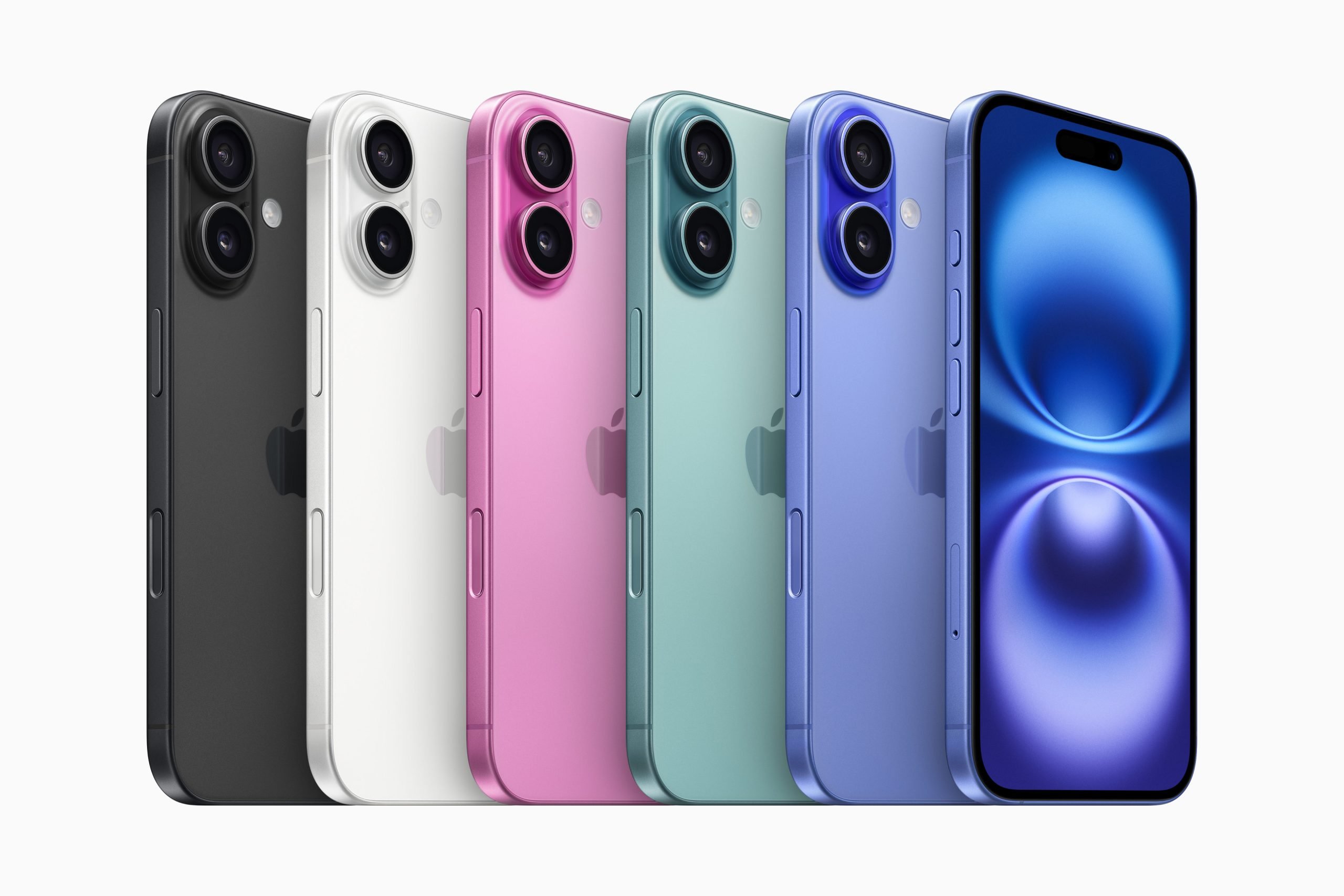
Apple iphone 16 Pro
The country had previously blocked iPhone 16 sales in October. In Indonesia, the company sells around 2.5 million units.
The Cupertino-based company ranks outside the top six smartphone brands in Indonesia, but the potential for growth is high.
Government data shows that Indonesia reportedly has over 350 million active mobile phones, more than its 270 million population.
“We will look for other ways or options,” he said, adding that the government has already sent a counterproposal to Apple.
Apple had proposed to build a factory by early 2026 and commence production of AirTags, a decision which apparently received the green light from Investment Minister Rosan Roeslani.
However, Indonesia seems to want further investment pledges before it lets Apple sell in the country.
The Indonesian officials have indicated that they’re in no hurry to settle the matter with Apple. “There’s no deadline for compliance,” Kartasasmita said. “If Apple wants to sell the iPhone 16, and especially if they plan to launch the iPhone 17, the decision is entirely up to them.”
Apple’s rivals including Xiaomi and Samsung have invested in manufacturing and setting up factories in Indonesia to comply with the domestic content regulations that were introduced in 2017.
Indonesia requires all electronic devices with cellular connectivity to include at least 35 per cent locally produced components.
Until now, Apple chose to meet the local requirement by investing in Apple Academy centres to train and develop local talent.