Apple And Samsung Dominate Global Smartphone Sales As iPhone 17 Takes Top Spot
 April Ossington
28 Aug 2026
April Ossington
28 Aug 2026
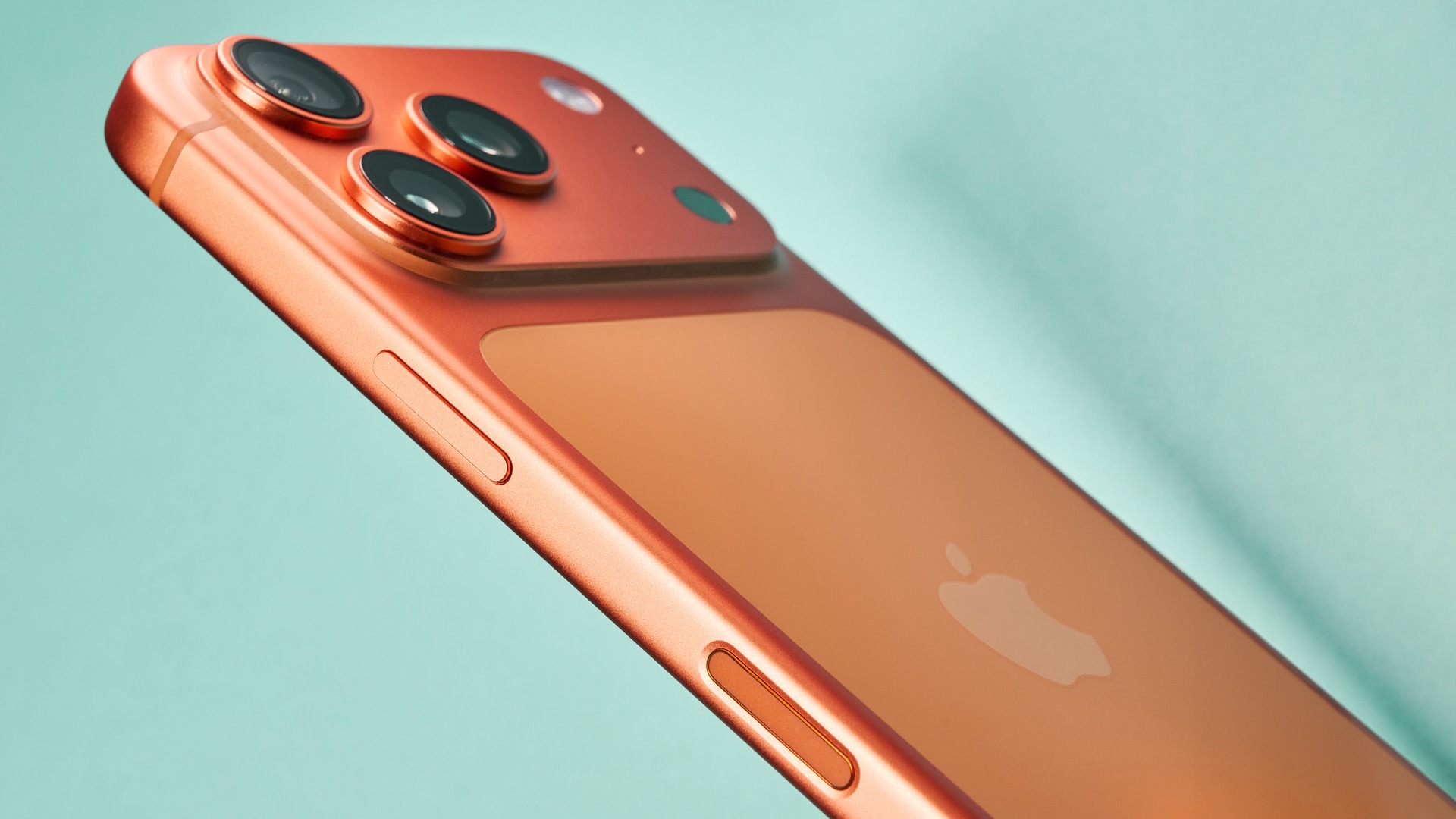
Apple and Samsung tightened their grip on the global smartphone market during the second quarter of 2026, accounting for all 10 of the world’s best-selling models and a combined 26 per cent of total unit sales.
The iPhone 17 led the market, capturing 6 per cent of worldwide smartphone sales during the quarter, according to Counterpoint Research. It was followed closely by Apple’s more expensive iPhone 17 Pro and iPhone 17 Pro Max, giving the company three of the highest-ranking devices.
The strong performance suggests Apple’s decision to strengthen the standard iPhone 17 has paid off. Features previously associated more closely with the Pro range have narrowed the gap between Apple’s mainstream and premium models, while promotions, trade-in programs and financing have continued to support demand for the more expensive Pro devices.
The iPhone 17e also performed strongly, particularly in the US and Japan. Carrier promotions, increased storage and the addition of MagSafe helped the lower-cost model gain traction in those markets.
Samsung matched Apple with five models among the global top 10, with the Galaxy S26 Ultra emerging as the best-selling Android smartphone of the quarter.
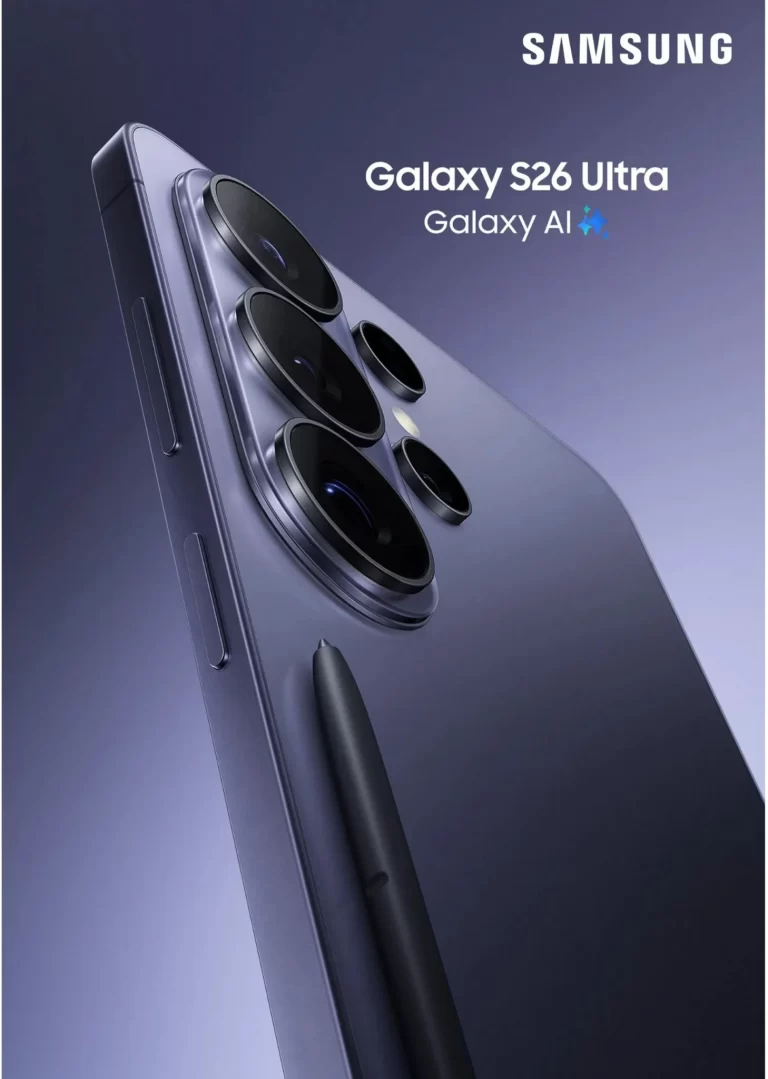
The result is particularly significant because Counterpoint says it marks the first time an ultra-premium Android smartphone has topped Android sales during a June quarter.
The Galaxy S26 Ultra improved five positions compared with its predecessor, helped by Samsung’s new privacy display technology and expanded AI functions.
Samsung’s more affordable Galaxy A-series devices also continued to perform strongly, supported by competitive pricing and the company’s longer software support commitments. Samsung now offers six or more years of software support on a growing number of its devices, an increasingly important selling point as consumers keep smartphones for longer.
The results show how smartphone sales are becoming increasingly concentrated around a smaller number of successful models from the industry’s largest manufacturers.
Apple and Samsung together accounted for 26 per cent of global smartphone unit sales during the quarter, the highest combined share the two companies have achieved in a June quarter.
The concentration also comes as manufacturers deal with rising component costs, including pressure created by the global memory shortage. Higher production costs could encourage brands to focus on fewer models with stronger sales potential rather than maintaining increasingly broad product portfolios.
For Apple and Samsung, that strategy appears to be working. Apple’s standard iPhone 17 has become the world’s most popular smartphone, while Samsung has demonstrated that an expensive Android flagship can compete with more affordable devices on global sales volume.