Android Set for Speed Boost as Google Rolls Out New Kernel Optimisation
 Joe Gallop
13 Mar 2026
Joe Gallop
13 Mar 2026

Google is rolling out a behind-the-scenes change to Android that could make future smartphones feel faster and more responsive, without requiring new hardware.
The company has introduced a new optimisation technique called Automatic Feedback-Directed Optimisation (AutoFDO) to the Android kernel, the core layer of the operating system that manages communication between apps, the processor and hardware components.
The kernel accounts for roughly 40% of CPU time on Android devices, meaning even small efficiency gains can have a noticeable impact on performance.
AutoFDO improves how Android’s code is compiled by analysing real-world usage patterns instead of relying on theoretical assumptions. Traditionally, compilers make educated guesses about which parts of the code will run most often. Those guesses determine how software is arranged and optimised for the processor.
Google’s new system replaces guesswork with data.
Engineers simulate real smartphone usage in controlled lab environments by running the 100 most popular Android apps and analysing how the system behaves. Profiling tools identify “hot” sections of code – areas that are used most frequently – and prioritise them when the kernel is rebuilt.
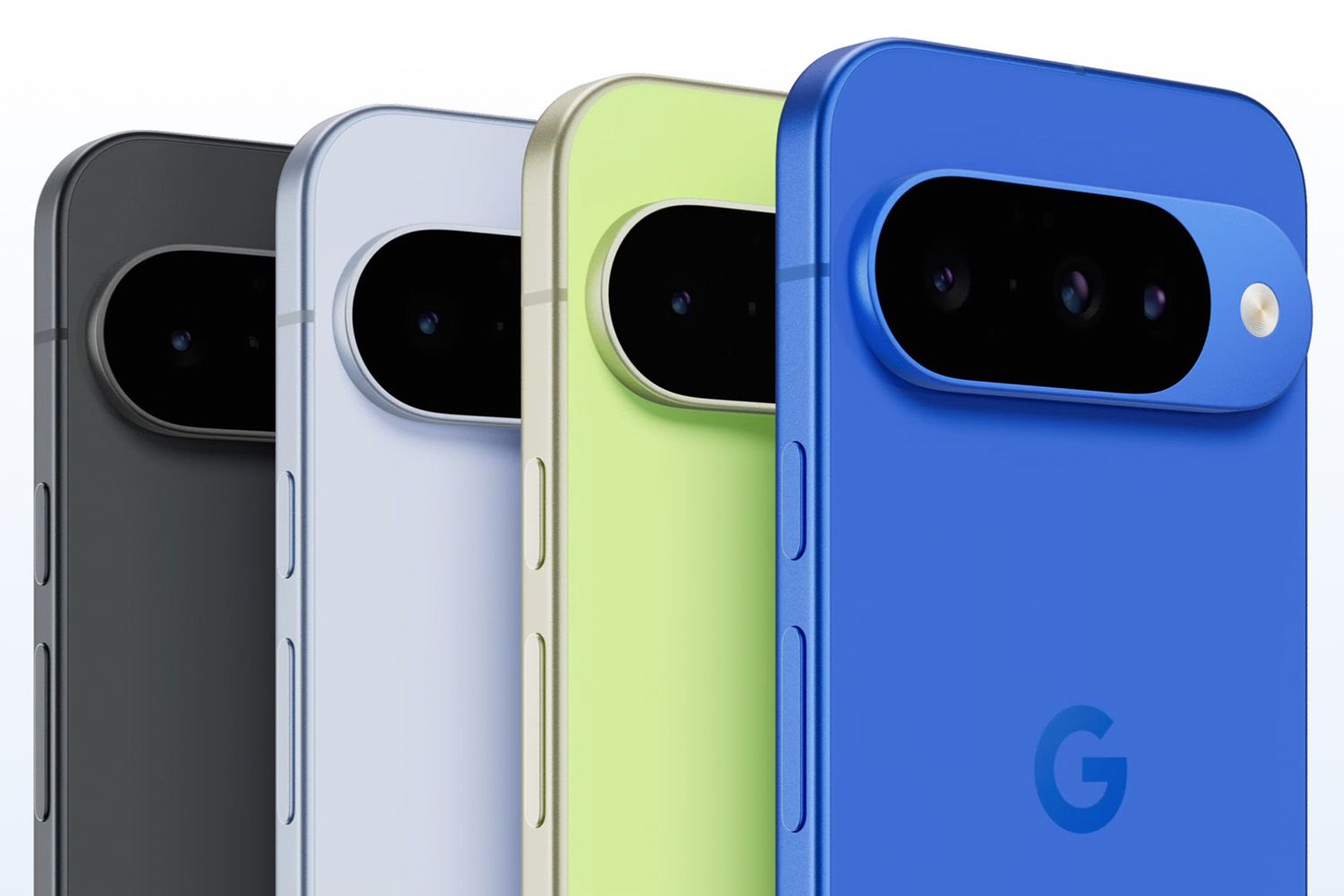
By optimising these frequently used code paths, Android can run key system processes more efficiently, potentially resulting in faster app launches, smoother multitasking, quicker app switching and improved battery life.
Early testing suggests modest but measurable gains, including around 4% faster cold app launch times and slightly quicker device boot speeds.
The change will not appear as a visible feature for users. Instead, the optimisation will be integrated directly into Android’s underlying software and delivered through updated kernel versions used by Android 15, Android 16 and future releases.
Because the kernel forms the foundation of Android across multiple device brands, improvements at this level could benefit millions of smartphones once manufacturers adopt the updated builds.
For users, the upgrade will be largely invisible but their phones may simply feel faster.