OLED MacBook Air May Not Arrive Until 2028
 April Ossington
13 Mar 2026
April Ossington
13 Mar 2026

Apple’s lightweight MacBook Air may remain without an OLED display for several more years, with new supply-chain reports suggesting the company is prioritising its higher-end MacBook Pro models for the technology first.
Analysts now expect Apple to introduce OLED displays to the MacBook Pro line before bringing the upgrade to the more affordable MacBook Air. Current forecasts indicate the Air could continue using traditional LCD panels until around 2028 or possibly even 2029.
The delay means customers hoping for a near-term display upgrade on Apple’s most popular laptop may have a longer wait than anticipated. Rumours about an OLED MacBook Air have circulated for years, but industry observers now believe the transition will take place later in the decade.
Supply-chain analyst Ming-Chi Kuo has suggested the first OLED MacBook Pro models could appear in late 2026 or early 2027. Apple has not confirmed those plans, though Kuo is widely regarded for his track record in reporting on Apple’s manufacturing pipeline.
The expected upgrade for the MacBook Pro could include more than just a new display technology. Reports indicate Apple may also add a touch-enabled screen, which would represent a significant change for the MacBook line-up. Apple has historically avoided touchscreen laptops and previously removed the Touch Bar feature from MacBook Pro models in 2021.
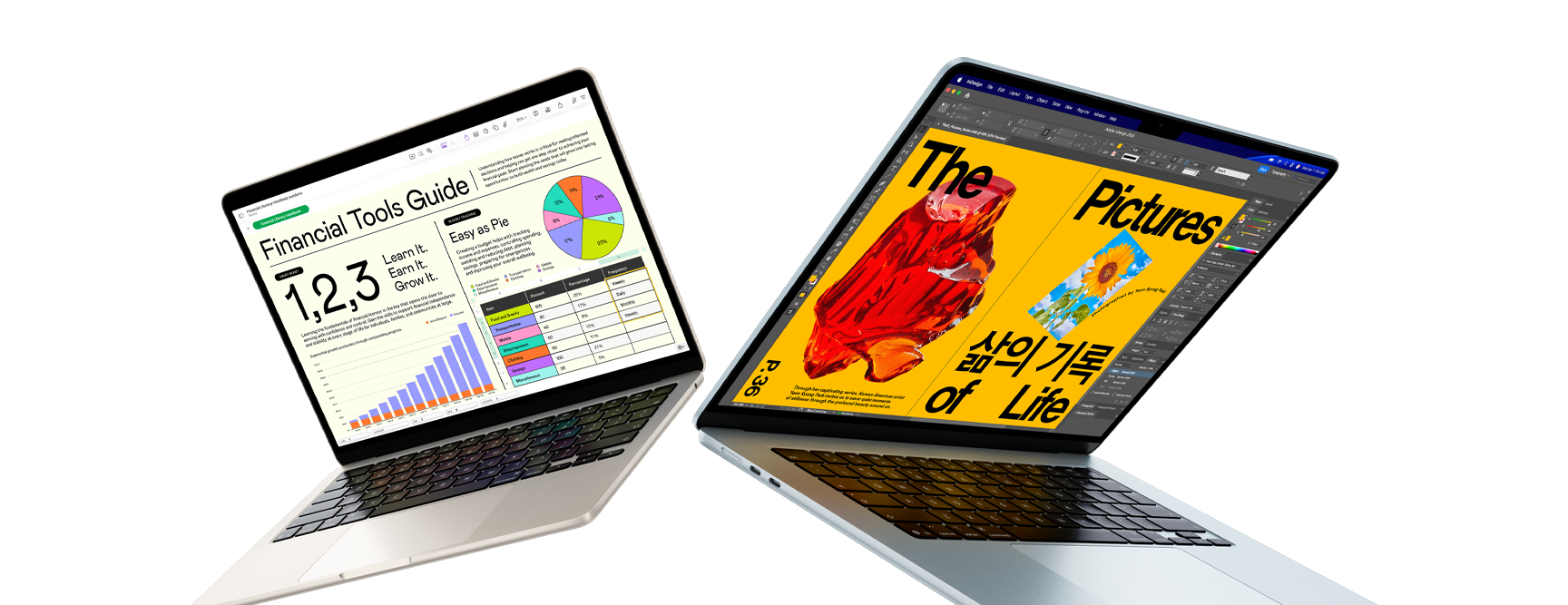
Introducing OLED displays on the MacBook Pro first would allow Apple to test the technology on premium devices before expanding it to more affordable models. The company has followed a similar strategy with previous display innovations, including Retina displays and ProMotion high refresh rate screens.
Cost is likely to be one of the main factors behind the staggered rollout. OLED panels remain more expensive to manufacture than the LCD displays used in current MacBook Air models. Large laptop-sized OLED panels also present additional engineering challenges related to brightness control, durability and production consistency.
Producing OLED displays at laptop scale requires more advanced manufacturing processes compared with smaller devices such as smartphones and smartwatches. Maintaining uniform brightness across a larger screen while ensuring long-term reliability can significantly increase production costs.
Apple has already expanded OLED technology across several of its product lines. iPhones and Apple Watch models use OLED displays, and the company also introduced OLED panels to the 11-inch and 13-inch iPad Pro tablets released in 2024.
However, extending the technology to MacBook computers is more complex and expensive. For that reason, analysts expect Apple to adopt a gradual approach as panel production improves and costs decline.
If the OLED MacBook Pro arrives around 2026 or 2027 as predicted, the MacBook Air would likely follow a few years later once manufacturing costs fall enough to fit within the pricing structure of Apple’s mid-range laptop line-up. The current MacBook Air starts at $1,799 in Australia, which places tighter constraints on component costs compared with the more expensive MacBook Pro models.
In the meantime, the MacBook Air is expected to continue using LCD displays similar to those found in existing models. There are also no strong indications that Apple plans to introduce mini-LED panels as an intermediate step for the Air.
For buyers considering a new laptop in the near future, waiting specifically for an OLED MacBook Air may not be practical given the likely timeline. Analysts suggest that anyone seeking an OLED upgrade sooner may want to watch the MacBook Pro range, which appears set to receive the display technology first.
Whenever OLED screens eventually reach the MacBook Air, the change could deliver deeper blacks, richer colours and improved energy efficiency compared with LCD displays. Until then, the upgrade remains several years away for Apple’s most widely used laptop.