Amazon Eyes Smartphone Comeback Amid Soaring Costs and Fierce Competition
 David Richards
23 Mar 2026
David Richards
23 Mar 2026
Amazon is trying to make a high-stakes return to the smartphone market, reviving ambitions that collapsed a decade ago, as the tech giant quietly develops a new device designed to challenge Apple, Samsung, Google and a wave of aggressive Chinese competitors including Motorola.
The project, internally codenamed “Transformer,” is being led by Amazon’s devices and services division—the same unit behind Alexa—and signals a renewed push to embed the company deeper into consumers’ daily digital lives.
The planned handset is positioned as a highly personalised mobile hub, tightly integrated with Amazon’s ecosystem.
At its core, the device is expected to sync seamlessly with Alexa, enabling voice-driven shopping, content access and smart home control. But the effort faces a major hurdle: surging component costs, particularly memory, which threaten to push pricing beyond competitive levels.
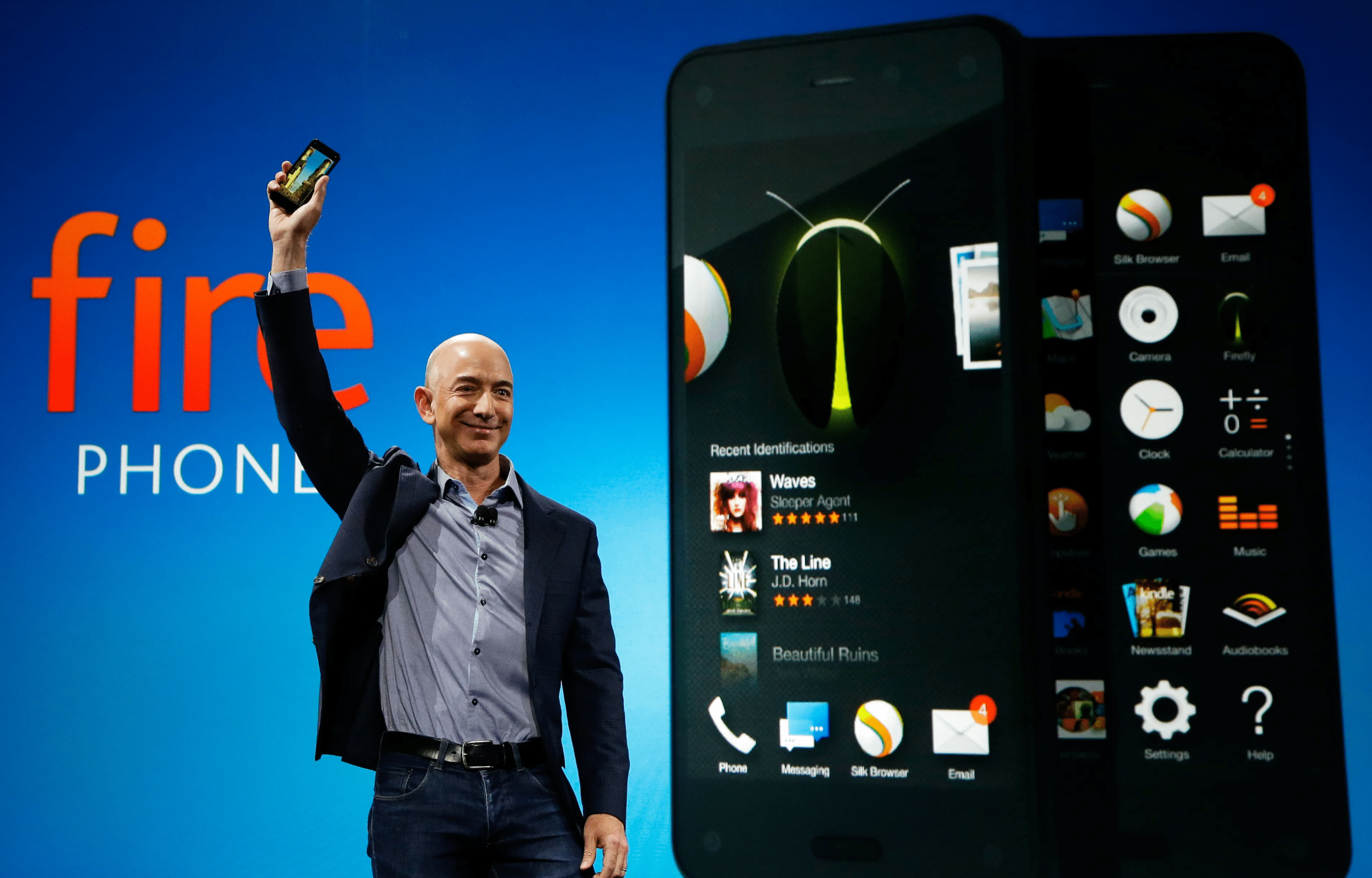
The move marks Amazon’s second attempt to crack the fiercely competitive smartphone market. In 2014, the company launched the Fire Phone under the direct oversight of founder Jeff Bezos. The device flopped within a year.
Despite introducing features ahead of their time—including a camera tool that could identify products and add them directly to Amazon shopping carts—the Fire Phone struggled with a lack of popular apps, a clunky 3D display system and severe battery issues that caused overheating. Its proprietary Fire OS failed to gain traction against Android and iOS, ultimately dooming the device.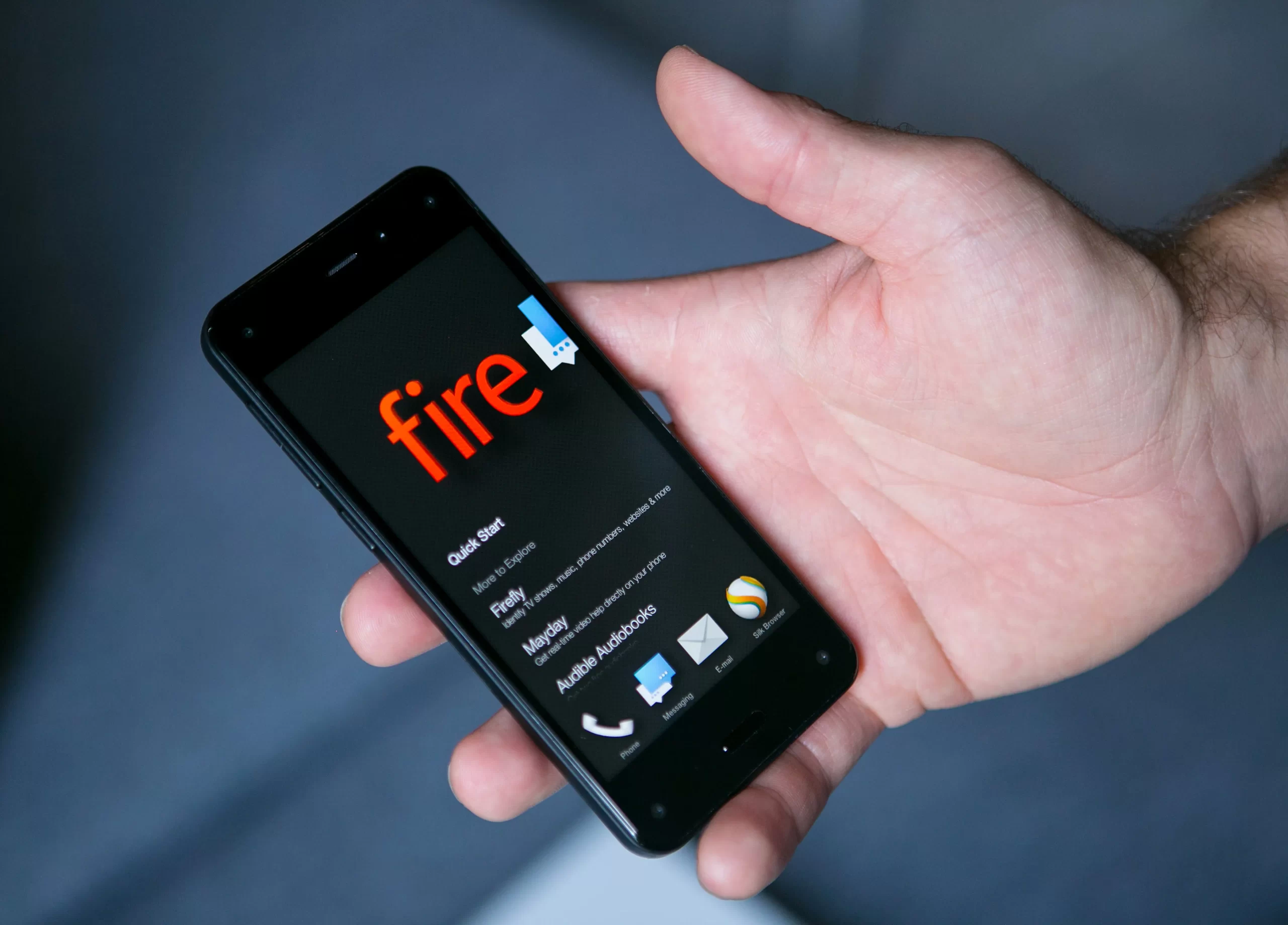
The new initiative reflects Bezos’ long-standing vision of a voice-first computing future—one where AI-powered assistants replace traditional interfaces. According to reports, Amazon sees the smartphone as a critical gateway to accelerate adoption of artificial intelligence, particularly through Alexa, which underwent a major AI-driven overhaul ahead of its 2025 relaunch.
Unlike its predecessor, the Transformer project is heavily focused on AI integration. Sources say the device could reduce reliance on traditional app stores altogether, allowing users to interact with services through voice and AI rather than downloading apps—a radical shift that could disrupt the current mobile ecosystem.
However, analysts warn that Amazon faces steep challenges. “Amazon will have to give consumers a compelling reason to switch phones,” said Colin Sebastian of R.W. Baird. “People are deeply tied to existing app stores.”
The competitive landscape remains daunting. Apple and Samsung alone accounted for roughly 40% of global smartphone sales last year, according to Counterpoint Research, leaving little room for new entrants.
Internally, the project also comes as Panos Panay, head of Amazon’s devices and services division, works to reverse years of losses. His broader strategy includes a shift toward Android on future tablets, signalling a departure from the company’s isolated Fire OS approach.
In a surprising twist, Amazon is also drawing inspiration from minimalist devices like the $700 Light Phone—a stripped-down handset with limited functionality. Sources suggest Amazon may position its device as a secondary phone, capitalising on growing consumer interest in simpler, distraction-free technology. Feature phones and “dumbphones” accounted for 15% of global handset sales in 2025.
If launched, the new Amazon smartphone would be engineered to make accessing Amazon services—from shopping to streaming—frictionless, while harvesting valuable user data across behaviour, purchases and content consumption.
Amazon declined to comment on the project.
Whether the company can succeed where it previously failed remains uncertain. But one thing is clear: Amazon is once again preparing to take on the most entrenched players in tech—and this time, it’s betting on AI to tip the scales.