UPDATED: Aldi Heading In Bold New Direction With Store Makeover
 David Richards
16 Apr 2026
David Richards
16 Apr 2026
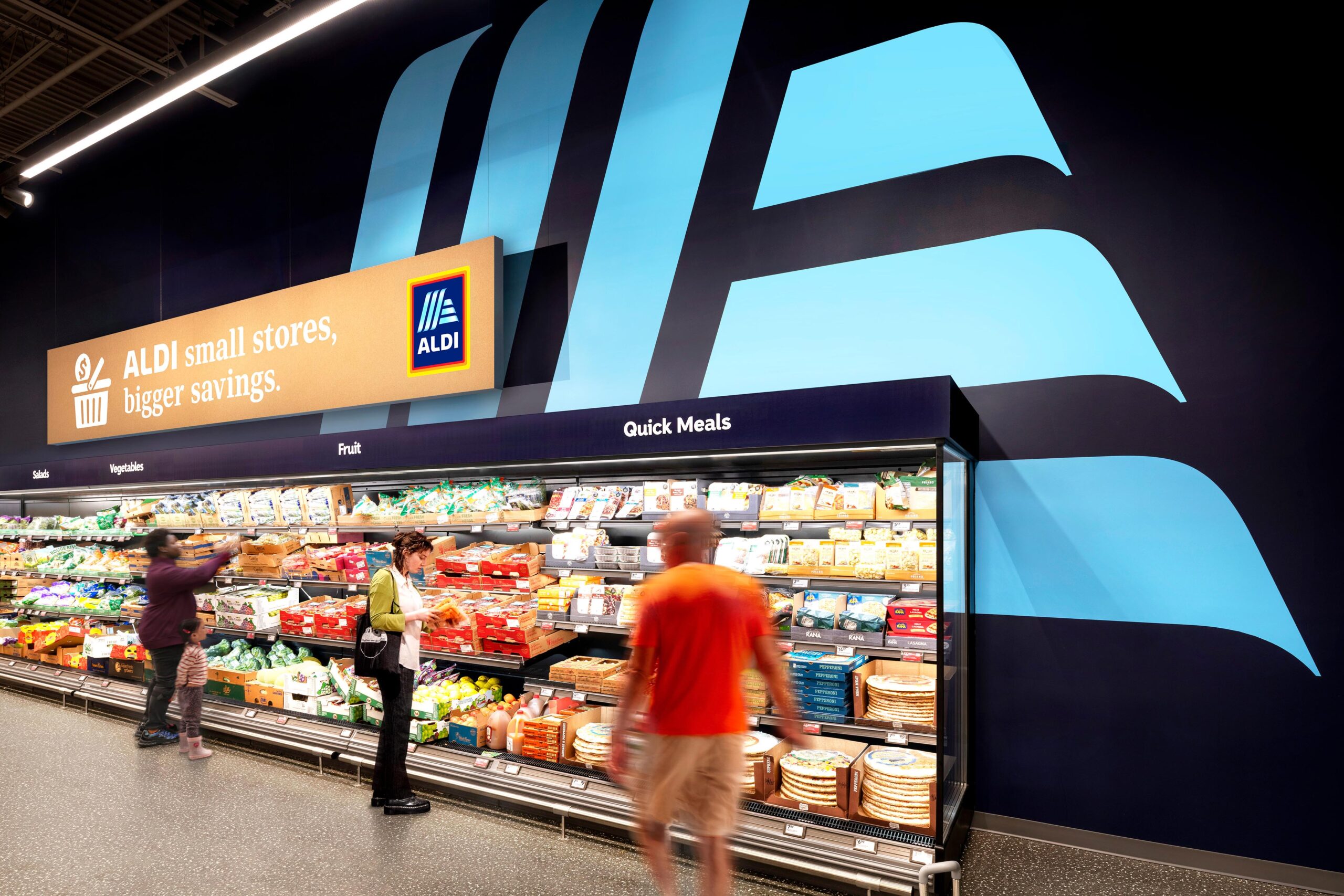
Aldi is preparing an overhaul of its Australian business, with the German discount giant set to introduce a redesigned store format as part of a global strategy to reinvigorate growth and sharpen its competitive edge.
The move signals a significant shift for the country’s third-largest supermarket chain, which has built its success on a no-frills, price-first model. Now, amid slowing growth and mounting pressure Aldi is betting on a refreshed brand experience to sustain momentum in an under pressure market environment that could lead to more shoppers looking for Aldi value.
Under plans driven by the Aldi South Group, a new globally unified store format will roll out across key markets, including Australia, Germany, the UK, and Ireland.
The redesign spans everything from signage and store layout to merchandising and customer communications, with a particular focus on enhancing the presentation of its lucrative “Aldi Specials” range, which generates millions in sales across electrical, consumer electronics and appliances.
The strategy marks a clear pivot: while Aldi will retain its low-cost DNA, management is seeking to modernise the in-store experience and create a more consistent global identity. The modular store design has been engineered for flexibility, allowing adaptation across different store sizes and formats while maintaining a unified look.
Early trials began in the United States, with a pilot store launched in Aventura, Florida in September 2025. Testing is ongoing as executives refine the concept ahead of a broader international rollout. Local market teams, including Australia, are expected to begin tailoring the format from the second quarter of 2026.
The overhaul is being coordinated through Aldi South’s International Real Estate Committee, led by Aldi US and managed day-to-day by Aldi Australia — an unusual signal of the local arm’s growing influence within the global group.
Behind the redesign is Landini Associates, concluding a 14-year partnership with Aldi. The consultancy has worked across an extensive scope, from store architecture and interiors to branding, packaging, signage, and even staff uniforms — underscoring the scale of the transformation.
The timing is critical. Aldi remains a disruptive force in Australia with a market share of around 9–11%, but recent trading data suggests cracks are emerging. Growth has slowed into 2025–26, with declines reported in key categories including bakery, fresh food, pantry staples and its popular specials program, where unit sales have dropped by as much as 4% in some periods.
At the same time, rising labour costs — now approaching $1.47 billion — are squeezing margins, even as the company continues to generate strong financial results, including $13.3 billion in revenue and $403.7 million in profit. In the last financial year alone, Aldi paid $90 million in dividends to its German parent.
Industry analysts say the redesign reflects a business at an inflection point.
“Aldi has won on price for years, but the market is catching up,” one retail observer said. “This is about evolving the brand without losing the cost advantage.”
Despite the challenges, Aldi continues to outperform on customer perception, securing its eighth consecutive customer satisfaction win in 2025. Its private label strategy and high-impact specials program remain key strengths, helping it maintain downward pressure on competitors.
The question now is whether a more polished, globally aligned store experience can reignite growth — without undermining the operational efficiency that underpins its low-price promise.
With Coles and Woolworths intensifying competition and independents like IGA fighting for relevance, Aldi’s next move could reshape the balance of power in Australia’s supermarket wars.