Zip Co Ordered To Rebrand After High Court Trademark Defeat
 April Ossington
14 May 2026
April Ossington
14 May 2026
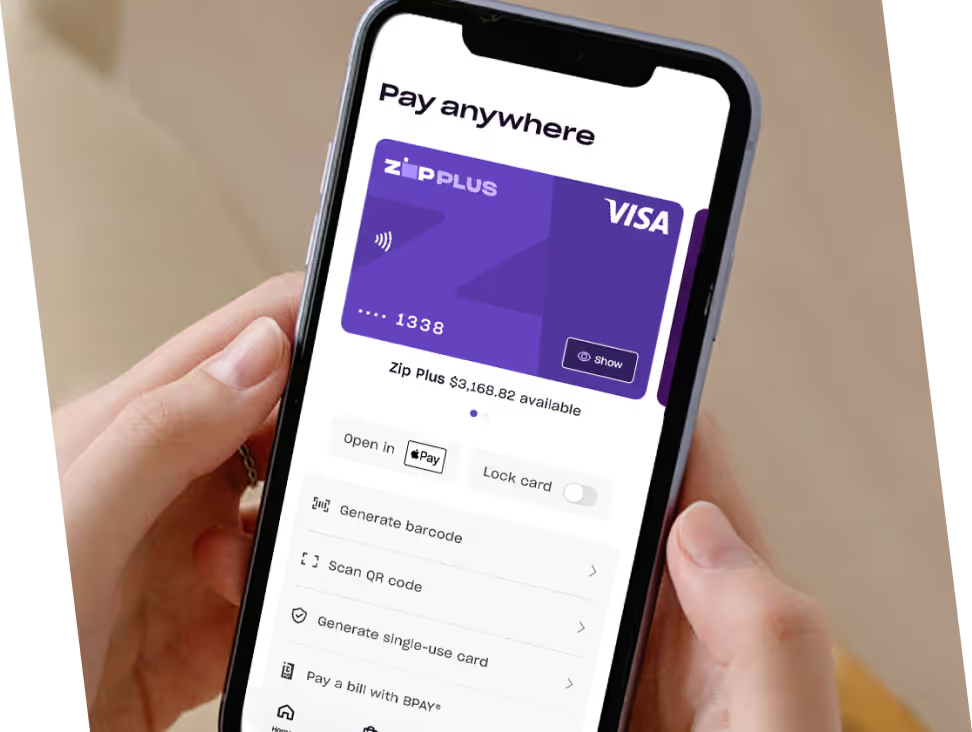
Buy now, pay later company Zip Co will be required to adopt a new brand identity in Australia after losing a lengthy trademark battle against Brisbane-based lender Firstmac in the High Court.
The ruling brings to an end a legal dispute stretching back more than a decade over ownership of the “Zip” name. Firstmac had secured trademark rights for the term in 2004 for a home loan product, years before Zip Co entered the market as a challenger in the fast-growing instalment payments sector.
The High Court found that Zip Co founders Larry Diamond and Peter Gray had intended to use the name from the earliest stages of the company, viewing it as a simple and memorable brand linked to speed and convenience. However, the court noted the pair proceeded with the branding despite earlier trademark concerns and objections.
Evidence presented during proceedings included references to internal discussions focused on challenging Firstmac’s claim to the trademark. The court heard that staff had even received calendar invitations referring to plans to “attack” Firstmac’s trademark rights.
Although Zip Co had previously acknowledged that its use of the branding infringed Firstmac’s trademark, the company argued it should still be permitted to continue under the legal principle of “honest concurrent use”.
That defence was ultimately rejected by the High Court, which upheld earlier Federal Court findings against the payments company. The judgment leaves Zip Co with little option but to rename its Australian operations.
The company, now valued at around $3 billion on the share market, confirmed it had been preparing for the possibility of an adverse ruling. Zip said the decision would only affect branding within Australia, with operations in the United States and New Zealand continuing under the existing name.
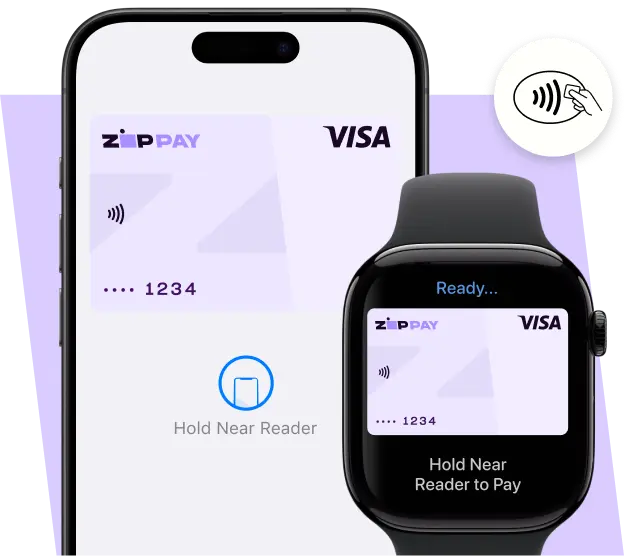
zip.co/au/zip-pay
Zip told investors the US business now contributes roughly 80 per cent of divisional cash earnings, reducing the broader financial impact of the Australian rebrand.
The buy now, pay later sector has experienced renewed momentum following a difficult post-pandemic period, with both Zip and rival Afterpay reporting stronger transaction growth and improving profitability. During the first half of the financial year, Zip processed $8.4 billion in transactions, including $6.3 billion from its US operations, representing a 45 per cent increase. The company also reported 6.6 million customers globally, with 4.6 million located in the United States.
Legal experts said the judgment provides significant clarity around trademark law in Australia, particularly concerning the interpretation of honest concurrent use.
Intellectual property specialists described the ruling as one of the most important trademark decisions in years because it clarifies how courts should assess honesty in disputes involving competing commercial brands.
The unanimous decision, led by Chief Justice Stephen Gageler, stated that honesty should be judged according to the standards of “ordinary, decent people” rather than through subjective reasoning that attempts to justify conduct after the fact.
Lawyers said the ruling sends a strong warning to businesses about ignoring concerns raised during trademark registration processes. Experts noted that adverse findings from trademark authorities should be treated as serious legal risks requiring immediate attention rather than administrative obstacles that can be addressed later.
The decision follows several other high-profile trademark cases heard by the High Court this year, including the widely publicised dispute involving Sydney fashion designer Katie Perry and international pop singer Katy Perry.
Zip has not yet announced what name it will use for its Australian business, although the company said further details would be revealed in coming weeks.
Shares in Zip initially fell 3.5 per cent after the judgment was released before recovering later in the trading session to sit marginally higher at $2.46.
Firstmac welcomed the outcome, saying the court had confirmed its ownership rights over the Zip trademark.