Coles Exposed Over ‘Fake Discounts’ in Landmark Court Ruling, Woolworths Could Be Next
 David Richards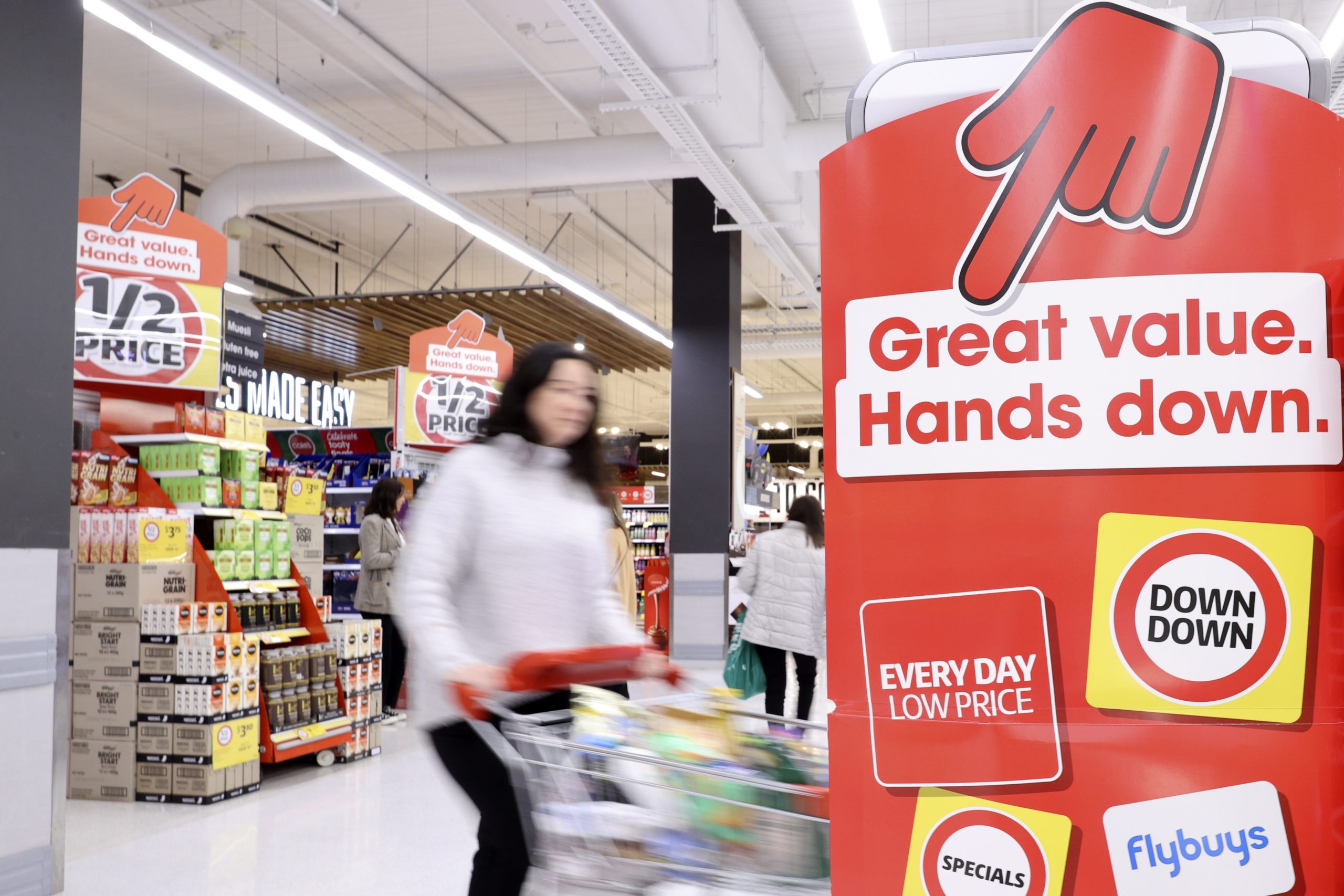
Australia’s supermarket giants are under mounting pressure after Coles was found by the Federal Court to have misled consumers through a widespread fake discounting scheme that exploited shoppers already struggling through a cost of living crisis.
In a damning judgment, Federal Court Justice Michael O’Bryan ruled that Coles engaged in misleading conduct by artificially inflating prices for products before advertising so called “Down Down” discounts that were, in many cases, not genuine reductions at all.
The ruling strikes at the heart of the pricing tactics used by Australia’s major retailers and raises serious questions about whether supermarket chains have weaponised promotional marketing to maximise profits while families battle soaring grocery bills.
Far from being an isolated marketing misstep, the court found the conduct formed part of an entrenched management practice that operated over several years with Coles now facing tens of millions in fines, Coles share price fell leess than 1% on the news.
The Australian Competition and Consumer Commission, ACCC, alleged Coles temporarily increased prices on hundreds of products before reducing them to a level that was often still higher than the original price. The retailer then promoted the products as discounted specials through aggressive marketing campaigns, including promotions run through its own media and advertising operations.
Justice O’Bryan accepted key elements of the ACCC’s case, finding that many of the advertised discounts were misleading because the higher “was” prices had only existed for a short period and were therefore not prices consumers genuinely associated with the products.
“The relevant products were not sold at the was price stated on the ticket for a reasonable period,” Justice O’Bryan said.
“As a consequence, the discount represented on the tickets was not genuine.”
The judge found that Coles breached Australian Consumer Law by engaging in misleading conduct and making false representations about pricing.

Coles chief executive Leah Weckert has a lot of explaining to do
The decision lands as millions of Australians continue to face financial pressure from rising mortgage repayments, energy bills and grocery costs, many of which consumers blame on supermarket profiteering by the country’s dominant retail duopoly, Coles and Woolworths.
The court heard that Coles raised prices on some items for as little as four weeks before advertising a “discount” based on the temporary increase. Justice O’Bryan indicated that products would need to remain at the higher price for around 12 weeks before consumers could reasonably view the lower advertised price as a genuine discount.
Among the examples examined in court was Nature’s Gift Wet Dog Food, which sold for $4 for months before briefly jumping to $6 for just seven days. Coles later advertised the product at $4.50 as a discount from the inflated $6 price.
In another case, Arnott’s Shapes biscuits climbed from $5 to as high as $6.50 before being promoted at $5.50 as part of a Coles special.
Of the 14 sample products scrutinised by the court, 13 were found to have been promoted in a misleading manner.
Coles defended its conduct by arguing that supplier cost increases and inflation justified the higher prices and that the discounts were intended to help customers manage rising living costs.
Justice O’Bryan accepted that some price rises themselves were commercially justified due to supplier demands. However, the court drew a sharp distinction between legitimate price increases and the subsequent use of those higher prices to create misleading promotional campaigns.
The ruling is likely to have major implications beyond supermarkets, potentially triggering scrutiny of discounting tactics used by electronics retailers, appliance chains and major department stores that routinely rely on “was/now” pricing strategies to drive sales.
Consumer advocates say the case exposes a broader problem in Australian retailing, where promotional campaigns often create the illusion of savings while masking price manipulation behind sophisticated marketing.
The controversy also reignites criticism of so called “shrinkflation”, where companies reduce product sizes while increasing prices, and the growing use of deceptive packaging designed to hide reductions in weight or volume.
Attention is now turning to Woolworths, which faces a separate ACCC case over similar allegations tied to its “Prices Dropped” campaign.
The consumer watchdog alleges Woolworths also inflated prices temporarily before advertising misleading discounts, with some products allegedly sold at their elevated prices for only brief periods before being promoted as specials.
The ACCC claims some Woolworths products were advertised as discounted even when they were the same price, or more expensive, than they had been weeks earlier.
The outcome of the Woolworths case could further intensify political and regulatory pressure on Australia’s supermarket sector, which is already facing growing calls for tougher oversight, greater competition reforms and even potential break up powers to curb the dominance of the two retail giants.
For consumers, the Federal Court ruling confirms what many shoppers have long suspected, that some of the biggest “specials” plastered across supermarket aisles were never bargains at all.