Xiaomi Reduces Phone Launches to Focus on Software, Ecosystem Integration
 Isabella Alexiou
24 Nov 2025
Isabella Alexiou
24 Nov 2025
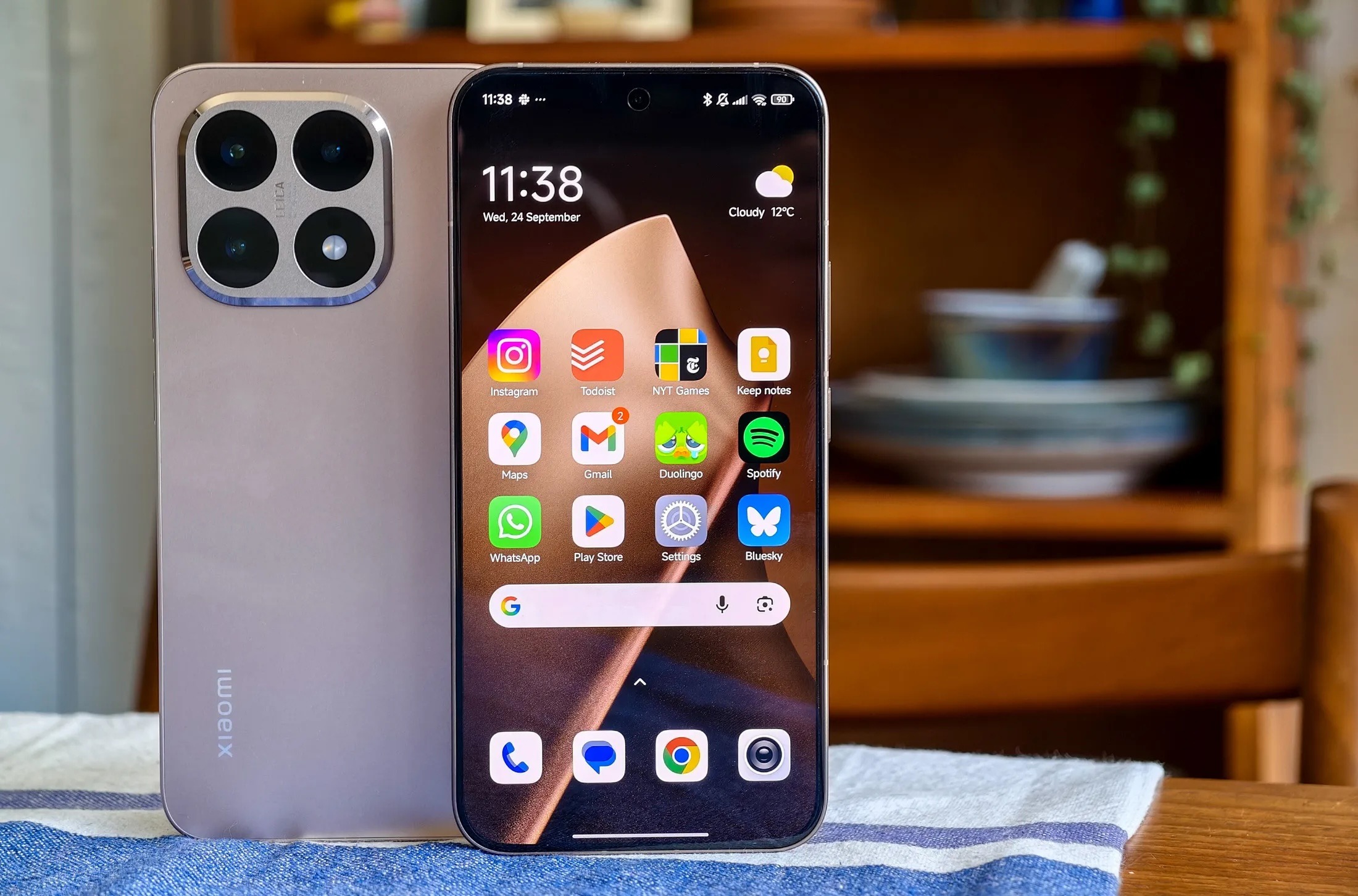
Xiaomi has sharply reduced its annual smartphone model launches, marking a major shift from its previous strategy of flooding the market with devices across multiple sub-brands, as the company prioritises software longevity, global consistency, and ecosystem integration.
The decision comes despite the global smartphone market recovery.
Xiaomi’s Q2 2025 report showed smartphone revenue declined 2% year-on-year, while the overall market grew.
In contrast, the AIoT segment increased 44.7% to CNY 38.7 billion (approximately A$8.1 billion), and the electric vehicle business generated over CNY 20 billion (approximately A$4.2 billion) quarterly revenue from SU7 and YU7 demand, indicating smartphones are no longer Xiaomi’s primary growth engine.
Xiaomi founder and CEO Lei Jun outlined the Human-Car-Home strategy as key to the company’s next decade vision.
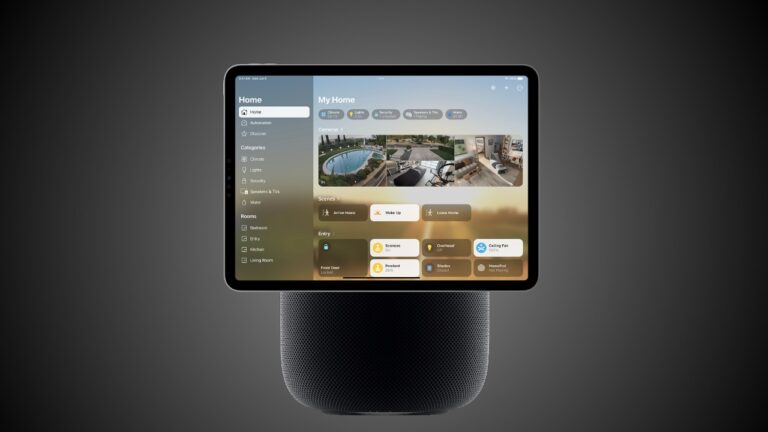
This ecosystem approach positions smartphones as central nodes connecting electric vehicles, smart home devices, and AI-powered platforms, with product value depending less on specifications or pricing and more on software experience and ecosystem performance.
To support this shift, Xiaomi extended software support for major models.
The Xiaomi 15 and Redmi Note 14 series now receive four OS upgrades and six years of security patches, matching Samsung and Apple policies.
However, supporting extended updates across dozens of regional variants has become increasingly difficult.
The transition from MIUI to HyperOS requires reduced product fragmentation and standardised global platforms.
Xiaomi’s India experience influenced this shift.
Shipments dropped 42% year-on-year in early 2025, causing the company to fall from first to sixth place in market share.
Product overlap between Redmi, Poco, and Xiaomi lines created confusion, while fragmented software builds across regions caused delays and inconsistencies.
Xiaomi has assigned each sub-brand clearer roles: Redmi targets the mass market, Xiaomi covers mid-to-premium segments, Poco focuses on performance, and Civi caters to design-conscious users.
HyperOS now serves as a global foundation to reduce regional variations and simplify maintenance.
Xiaomi is reducing efforts in niche categories.
There will be no Mix Fold 5 this year, while the Civi 5 Pro remains exclusive to China.
Foldables require significant R&D investment and represent a small market portion.
Xiaomi prefers allocating resources to phone-to-car integration and smart cockpit systems, where it sees greater strategic value.
Xiaomi’s strategy rests on four pillars: extended software lifecycles, unified global software platform, durable hardware focus, and deeper ecosystem integration.
This approach reduces the total phones launched annually but improves quality, consistency, and user engagement.
The shift reflects broader industry trends as smartphone markets mature and growth slows.
Companies are prioritising profitability, ecosystem lock-in, and software services over market share through volume.
Xiaomi’s pivot toward electric vehicles and smart home devices suggests smartphones increasingly serve as control hubs rather than standalone profit centres.