Xbox Brings a Single Game Library to PC and Portable Devices
 Isabella Alexiou
18 Sep 2025
Isabella Alexiou
18 Sep 2025

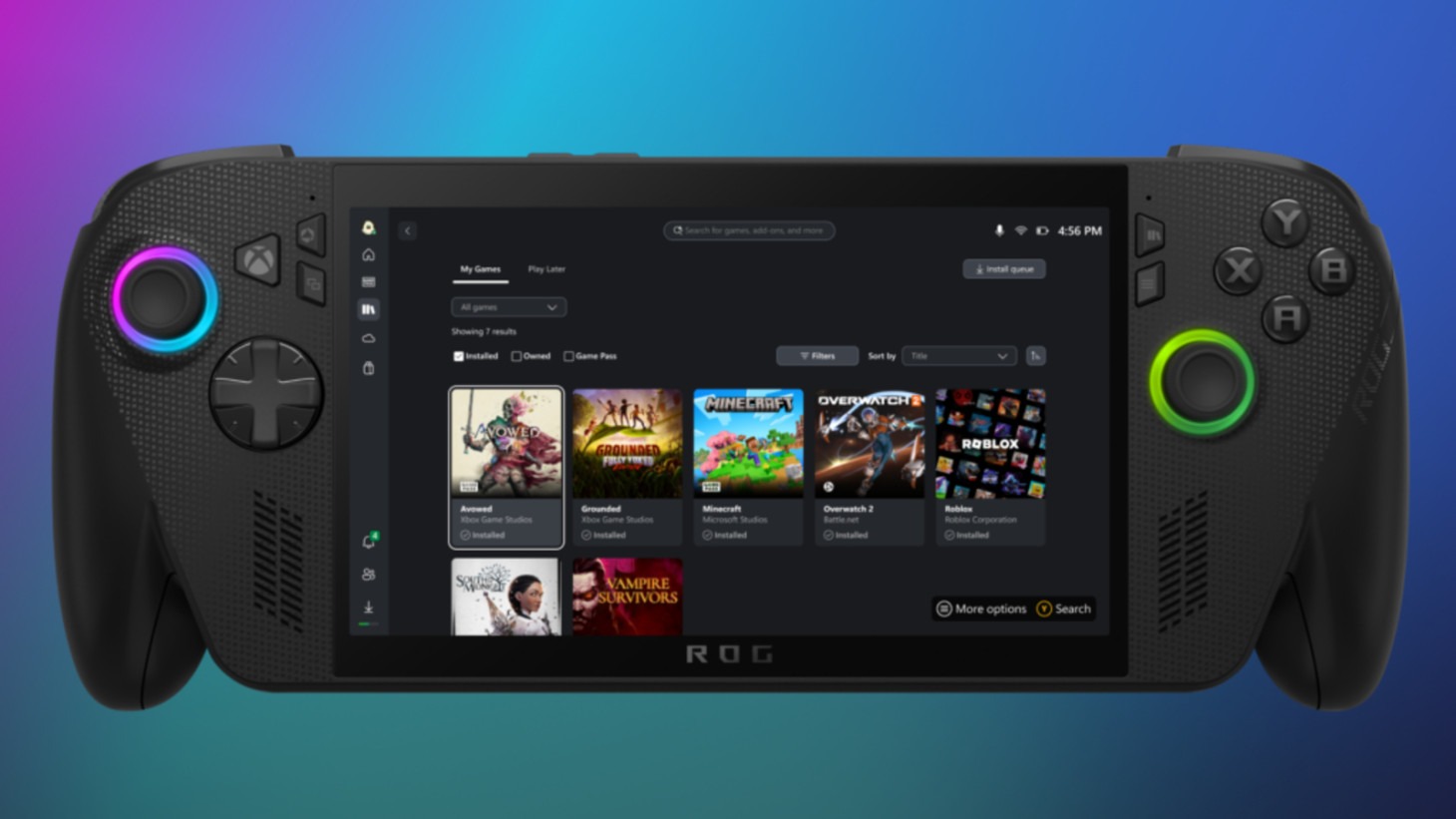
Microsoft has launched a redesigned Xbox app that consolidates games from multiple storefronts into a unified library, positioning itself as a universal gaming hub for Windows PCs and handheld devices rather than a closed ecosystem.
The update represents a significant strategic shift for Xbox, transforming from a proprietary platform to an aggregator that embraces third-party services including Steam, Epic Games Store, and GOG.
The new Xbox app centralises games, saves, and play history across devices while supporting:
- Game Pass library and subscriptions
- Third-party storefronts (Steam, Epic, GOG)
- Direct installation of utilities, mods, and companion apps
- Optimisation for Windows-based handhelds including Lenovo Legion Go 2 and ASUS ROG Ally series
This approach directly challenges Valve’s Steam Deck dominance by offering broader storefront integration rather than favouring a single ecosystem.
PC gamers typically manage multiple launchers, Steam, Epic, GOG, EA App, Ubisoft Connect, each requiring separate logins and updates.
Microsoft’s unified approach reduces this friction by creating a single access point for all libraries.
For Australian gamers with collections spread across multiple storefronts during sales events, this consolidation simplifies library management without abandoning existing purchases.
The app’s optimisation for handheld devices reflects the growing portable PC gaming market.
Devices like the ASUS ROG Ally ($1,099) and Lenovo Legion Go ($1,199) currently require users to navigate multiple launchers on small screens, a particular pain point the unified Xbox app addresses.
Microsoft expects future Windows-based handhelds to ship with the Xbox app pre-installed as the default gaming hub, potentially influencing hardware partnerships and device design.
The integration enhances Game Pass value ($19.95/month for PC) by positioning it within a comprehensive library rather than as a standalone service.
Users can seamlessly switch between Game Pass titles and owned games from other storefronts without changing applications.
This strategy could increase Game Pass adoption among PC gamers who previously viewed it as separate from their primary game libraries.
Microsoft’s shift from walled garden to open aggregator reflects broader industry trends toward platform agnosticism.
By embracing competitors’ storefronts, Xbox positions itself as infrastructure rather than gatekeeper.
The move potentially benefits Microsoft through:
- Increased Windows device adoption for gaming
- Enhanced Game Pass attractiveness
- Stronger position against Steam Deck and potential Apple gaming devices
- Data insights across multiple gaming platforms
Questions remain about implementation details:
- How deep is the integration with third-party stores?
- Will achievements and social features work across platforms?
- Can cloud saves sync between Xbox console and PC storefronts?
- Will all features work offline?
The success depends on third-party cooperation and whether competitors like Valve view this as beneficial co-existence or unwanted intermediation.
Microsoft suggests this unification could extend beyond PC and handhelds to TVs and cloud platforms.
The company’s existing Xbox app on Samsung smart TVs and cloud gaming infrastructure provides foundation for broader deployment.
This could eventually enable accessing your entire gaming library, regardless of purchase source, on any device with an Xbox app, fundamentally changing how games are accessed and played.
Initial response from the gaming community appears cautiously optimistic, though concerns exist about:
- Privacy implications of Microsoft accessing competitor storefront data
- Potential performance overhead from the aggregation layer
- Whether this represents genuine openness or strategic positioning
For Australian consumers, who pay premium prices for gaming hardware and software, the ability to consolidate existing investments into a single interface offers tangible value.
The new Xbox app is rolling out now through Windows Update, with full functionality expected across all supported devices in coming weeks.