Honor’s Copycat Crisis: Chinese Brand’s Apple Rip-Off Exposes Deeper Quality And Trust Problems
 David Richards
03 Jul 2026
David Richards
03 Jul 2026
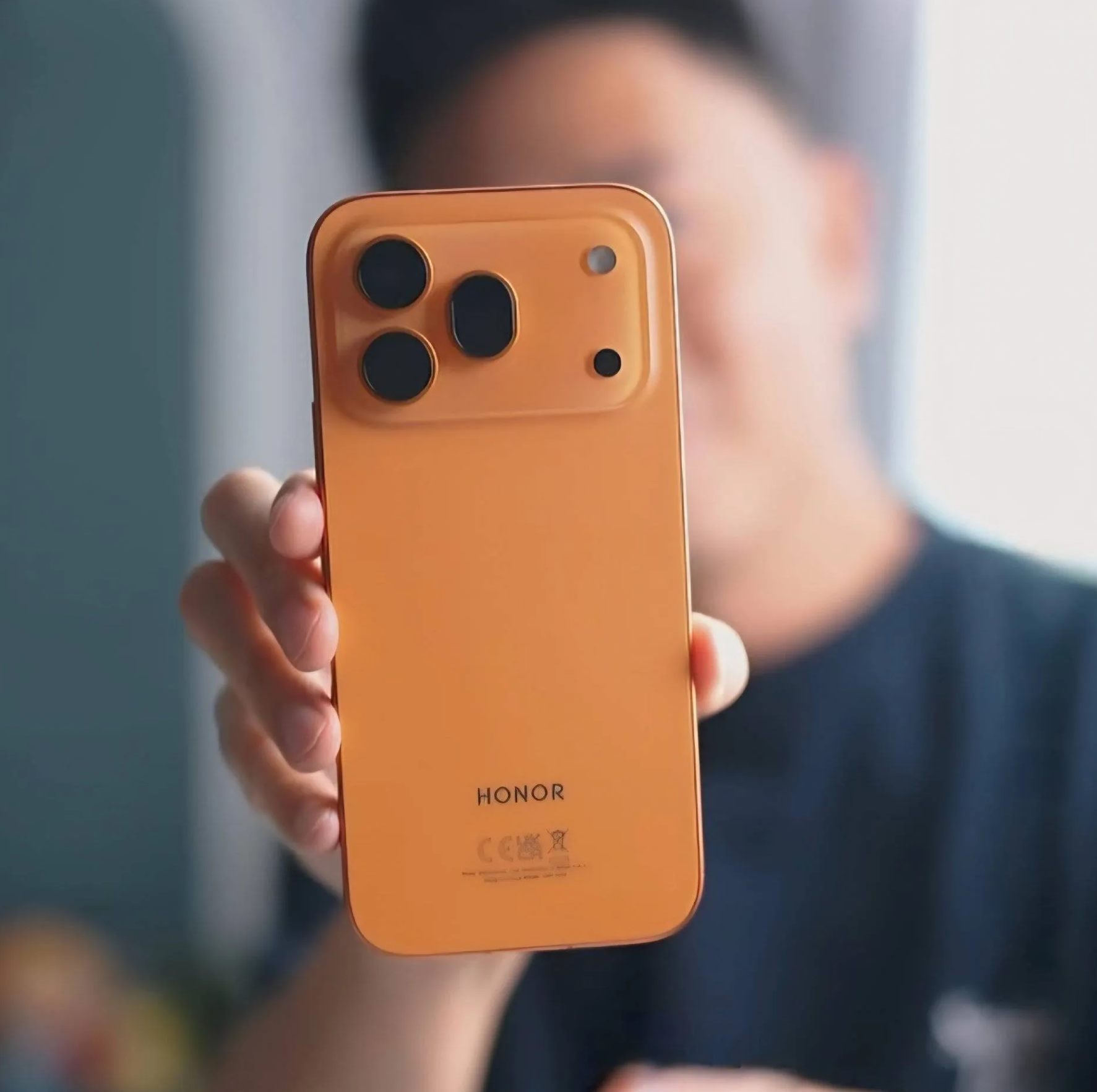
Honor, the former budget arm of banned telco giant Huawei, appears so desperate for market recognition that its research and development teams have resorted to copying Apple’s designs and colours rather than delivering original devices, in stark contrast to rivals Motorola and Samsung.
The Chinese brand is spending heavily with retailers to buy market share in Australia, a strategy that sits alongside what critics describe as underwhelming marketing and a pattern of copying competitors’ devices instead of building a genuinely distinctive product line.
The Apple Copy Job
Honor’s new 600 Pro, priced at $1,499, borrows directly from Apple’s design language.
The handset adopts the iPhone’s orange colour palette, mimics Apple’s full width camera bump, and arranges its three lenses in the same triangular configuration Apple uses.
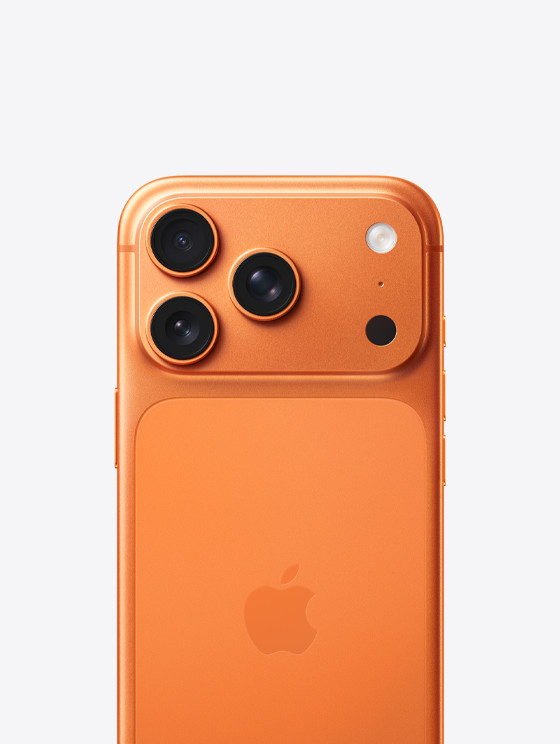
Apple’s iPhone copied by Honor
What is missing is the build quality, specification depth and after sales service that come with an iPhone.
If Honor’s track record is any guide, that gap matters.
The build quality of the company’s Honor 400 Pro 5G has already been called into question by its own customers.
Australian owner David Ford, writing on ProductReview, said the phone was loaded with features for its price but that build quality and after purchase service were “extremely poor.” He noted that phones costing a fraction of the $1,000 price tag often have superior glass and casing, and warned other buyers to proceed with caution, calling the overall experience “disappointing.”
Honor’s Australian management, which includes executives who previously worked for the banned Huawei, has offered no explanation for why the company felt the need to copy Apple’s colours and design cues. As one major national newspaper put it after the local launch, there is no honour among thieves.
The Huawei Divestment Story
Honor began life in 2013 as Huawei’s budget focused sub-brand. When US sanctions in late 2020 cut off Huawei’s access to smartphone chips and other technology used freely by Samsung and Motorola, Huawei had little choice but to spin the brand out and present it to the market as a standalone company, clearing the way for it to access US technology again.
The buyer was Shenzhen Zhixin New Information Technology, a newly formed conglomerate of 30 Chinese companies, several with close government ties, and majority controlled by a state owned Shenzhen city entity.
Honor continues to push the “clean break” narrative hard, despite ongoing questions about whether the divestment was genuinely an arms length transaction. Huawei founder Ren Zhengfei said at the time that the move was designed to protect Honor and other stakeholders from the sanctions fallout Huawei itself was absorbing.
The unresolved status of that separation still shadows the brand. No Honor smartphone currently holds an active FCC ID certification, confirming its unofficial status in the US market. That means Honor devices won’t work on Verizon or US Cellular, and buyers get no official warranty or carrier support. Current 2026 US retail listings back this up, showing Honor phones priced and sold mainly through grey market importers and marketplace sellers rather than official carrier or retail channels.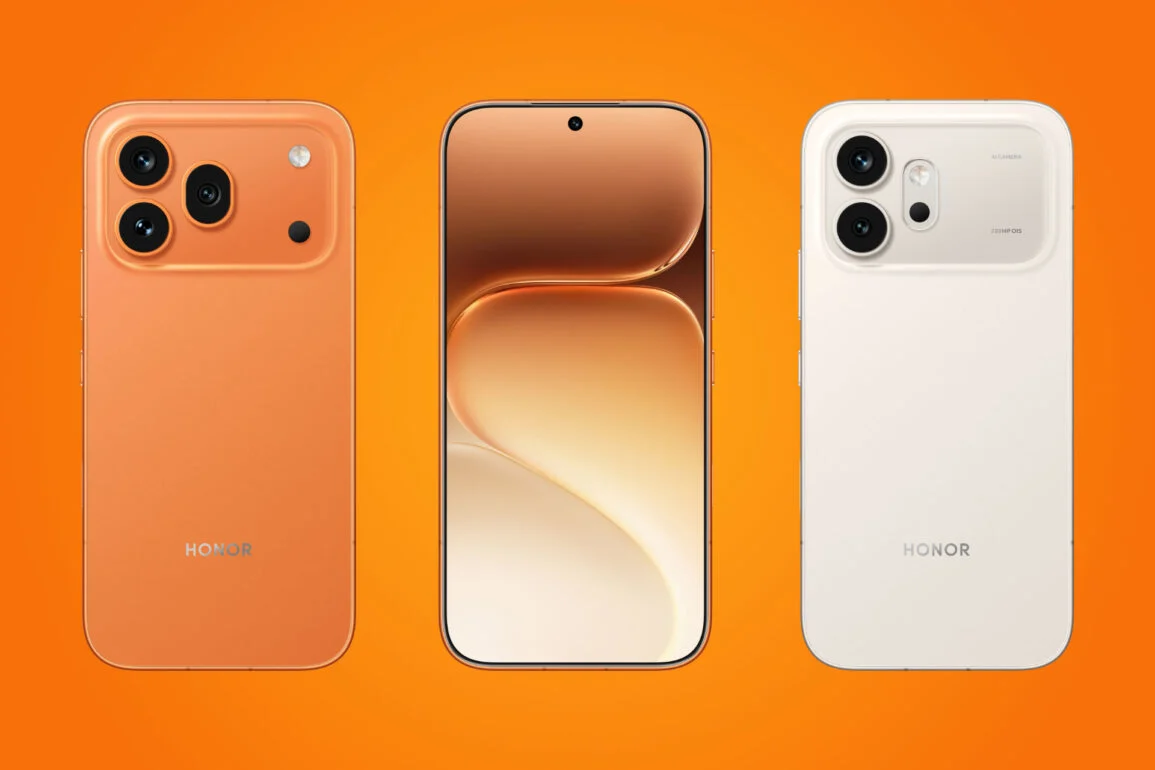
Where The Credibility Story Falls Apart
This is where Honor’s push for international credibility runs into real trouble.
Across Trustpilot and PissedConsumer review aggregations spanning Australia, the UK, Ireland, New Zealand and the Middle East, a consistent pattern emerges.
Warranty disputes
Multiple reviewers describe Honor promising a two year warranty, only to be quoted hundreds of dollars for repairs on devices that failed while still under warranty. One customer told Trustpilot the pattern was serious enough that they intended to escalate the matter to an ombudsman.
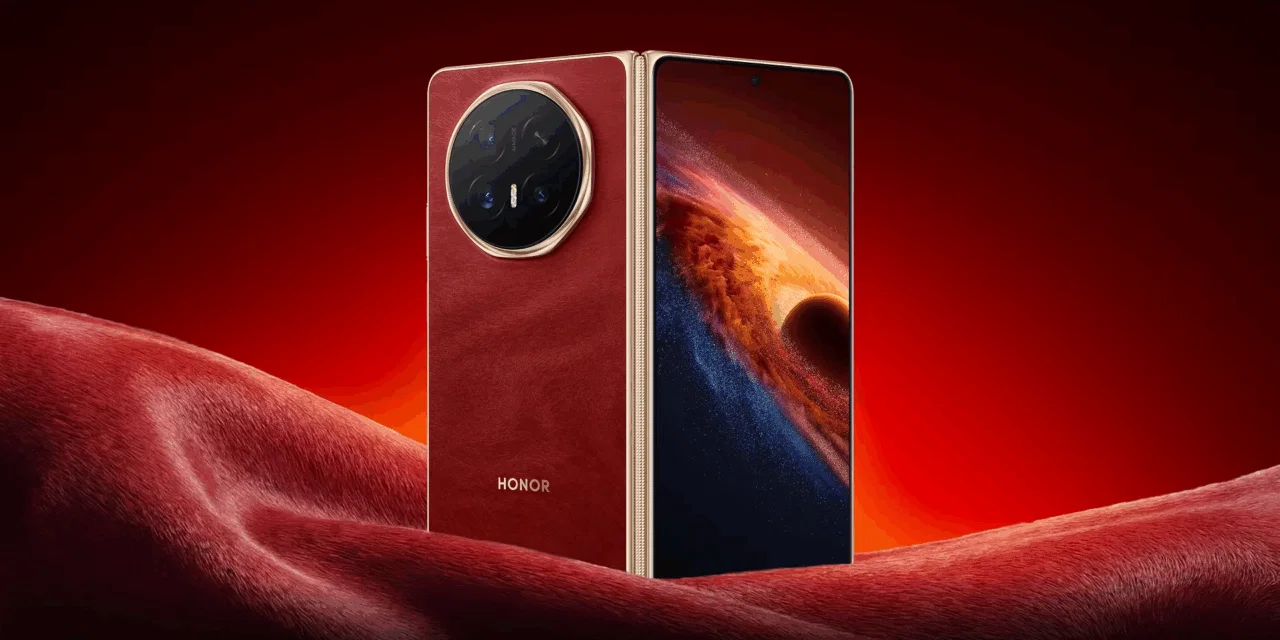
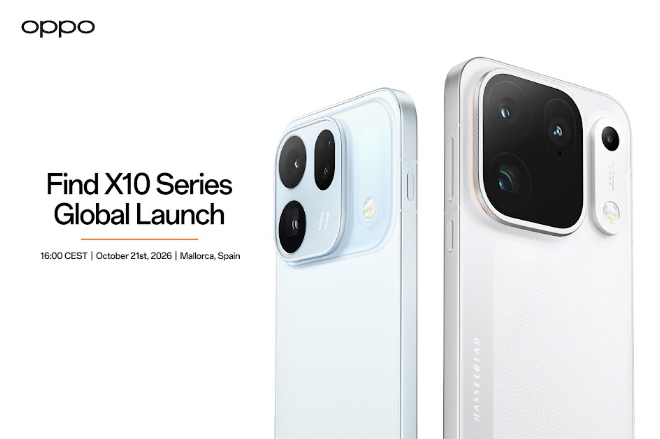
Another of Honors offerings looks remarkably like an Oppo device.
A UK review summary covering 84 ratings found most customers came away let down overall, citing customer service that was unhelpful, slow and difficult to get resolutions from, alongside recurring hardware problems including screen delamination and dead pixels. A smaller group of reviewers did report solid battery life, performance and responsive service, but the negative pattern dominates.
Service breakdowns
An Australian reviewer detailed a drawn out saga involving Honor’s Saudi customer service team and a shipping agent that mishandled a return, describing the local sales and service experience as poor and ignorant. Another reviewer said they had access to only a third party service centre, were sold outdated stock, and had their device reportedly damaged further during a repair.
At least one Australian buyer found a phone marketed as “global” would not properly function on Australia’s network because it lacked VoLTE support, despite advertising claims to the contrary.
The Real Obstacle To Credibility
For Honor, the gap between building a good phone and delivering a good experience when something goes wrong is the recurring theme across markets. For a brand actively trying to shed its state owned, ex-Huawei image and be taken seriously in markets like Australia, that gap is arguably a bigger obstacle to credibility than the Huawei link itself.
Copying Apple’s design cues might buy Honor a moment of shelf appeal. It does nothing to fix a warranty and service record that keeps letting customers down long after they have left the store.