Intel Eyes Old CPU Comeback As DDR5 Price Shock Hits PC Builders
 Joe Gallop
03 Jul 2026
Joe Gallop
03 Jul 2026
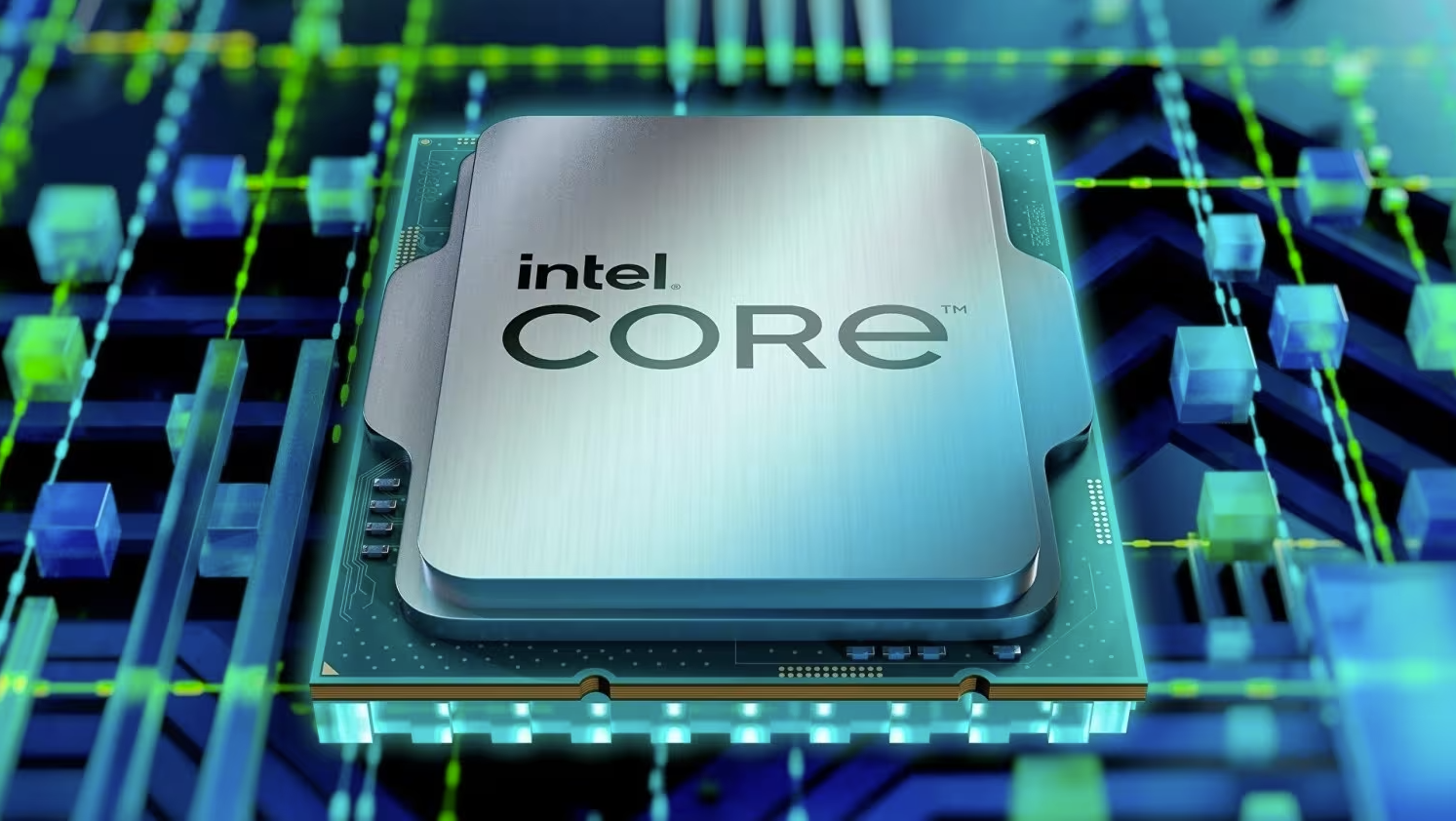
Intel could be preparing to bring older desktop processors back into the spotlight, as rising DDR5 memory prices force PC builders and motherboard makers to reconsider cheaper DDR4 platforms.
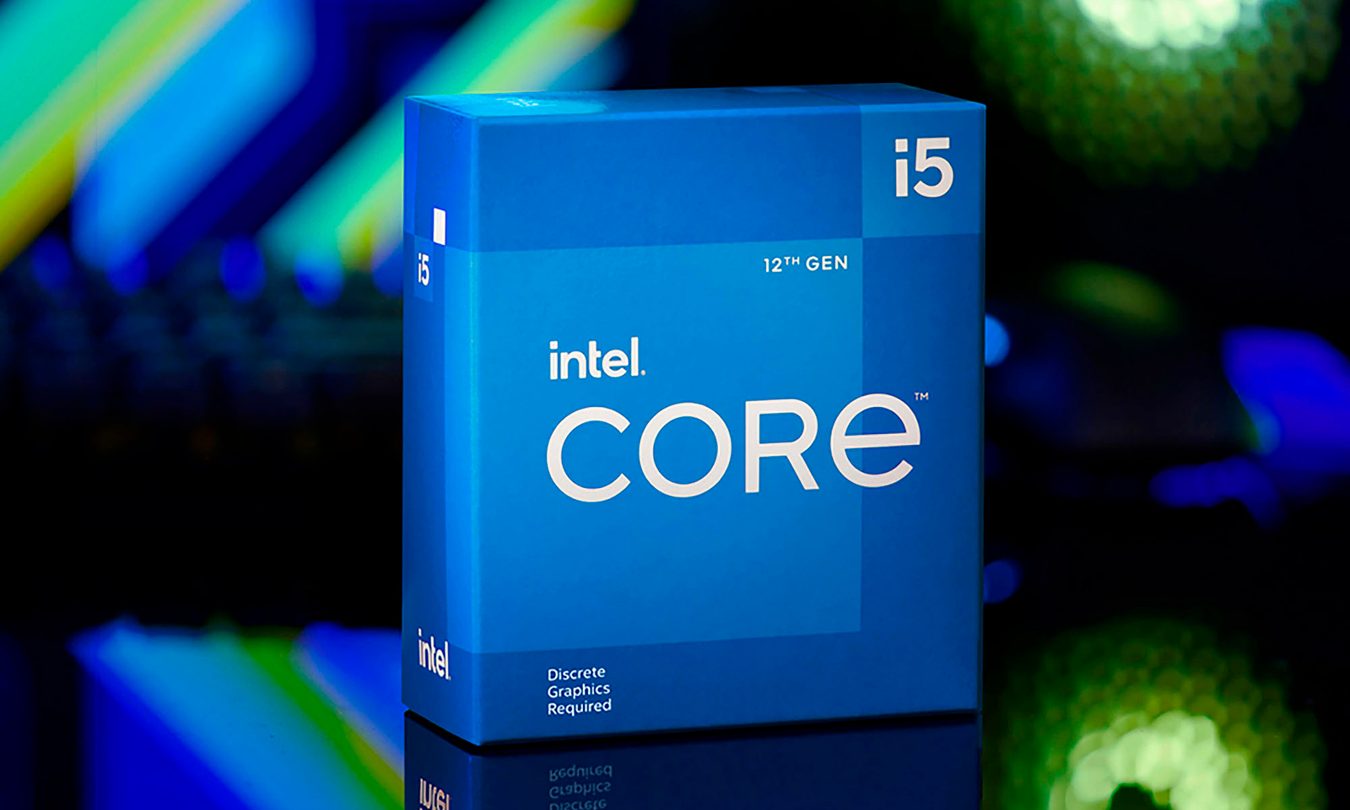
According to reports out of China, Intel has updated its production plans to increase supply of several previous-generation desktop CPUs, including 10th, 12th, 13th and 14th Gen Core processors.
The move is expected to be focused heavily on mainland China, where budget DIY PC builders and system integrators are reportedly leaning back toward DDR4-based systems as the cost of newer DDR5 memory continues to climb.
The biggest supply boost is tipped for Intel’s older 10th Gen and 12th Gen Core chips, while 13th and 14th Gen Raptor Lake processors are expected to remain more readily available through the coming months.
Intel has not officially confirmed the production changes.
The shift comes as motherboard vendors also respond to renewed demand for DDR4 systems. Several motherboard makers are reportedly increasing production of DDR4-compatible boards through the second half of 2026 and into 2027.
That could be significant for budget-conscious PC builders, particularly gamers who already own DDR4 memory kits or are trying to avoid the higher cost of newer DDR5 platforms.
Older Intel chips using DDR4-compatible boards could offer a cheaper pathway into gaming PCs at a time when memory pricing is pushing up the cost of new builds.
Intel is also rumoured to be preparing another Raptor Lake refresh, currently referred to as ‘Raptor Lake Next’, for the first half of 2027.
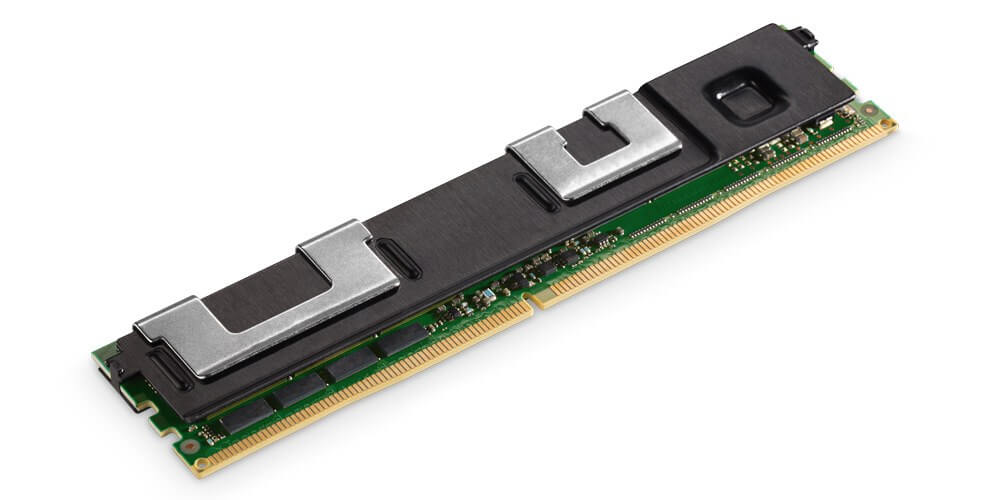
That platform is expected to continue support for the LGA 1700 socket and DDR4 memory, giving Intel’s older desktop ecosystem another extension.
AMD has taken a similar approach with its long-running AM4 platform, recently reviving interest in the Ryzen 7 5800X3D through a 10th Anniversary Edition.
The strategy from both chipmakers suggests the mainstream PC market is no longer rushing entirely toward the newest platforms.
Instead, with DDR5 prices rising and affordability becoming a bigger issue, older DDR4 systems may be getting a second life.