Apple’s Fold Gamble Set to Hand Samsung and Motorola a Free Kick
 David Richards
03 Jul 2026
David Richards
03 Jul 2026
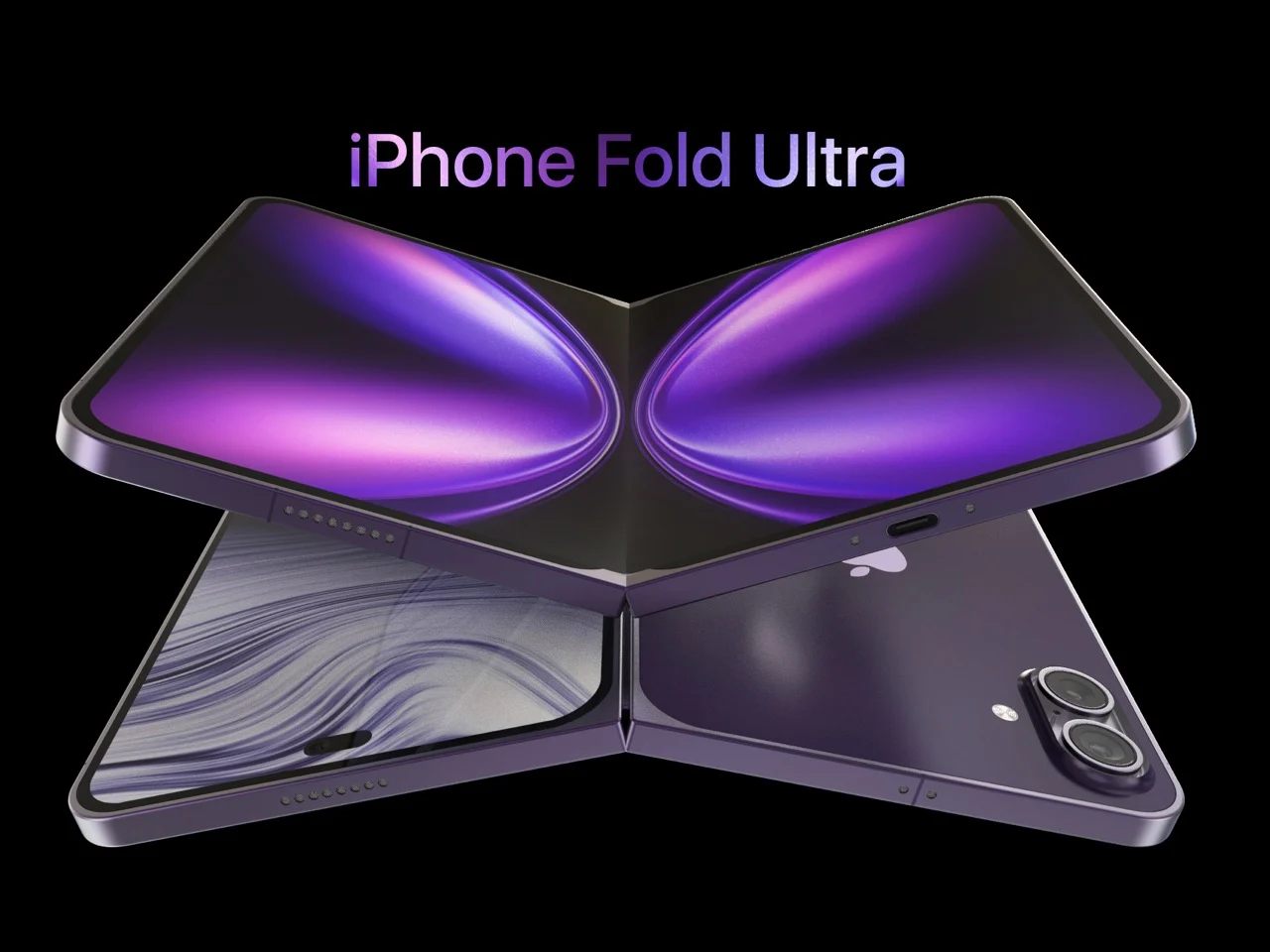
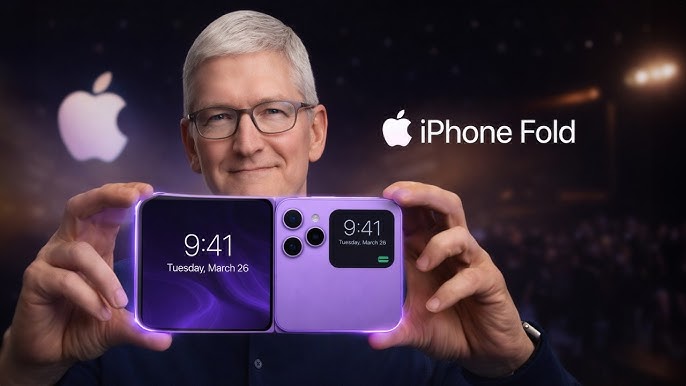
Samsung is about to launch its next generation foldable and Motorola has just landed its new Razr on Australian shelves, and both companies are about to be handed a gift they did not have to pay for, Apple’s long awaited entry into the foldable category.
Apple’s arrival is shaping up as a genuine validation moment for the entire category, and while Apple will carve out real share at the ultra premium end of a market Australians have embraced faster than any other nation, it is Samsung and Motorola who stand to pocket the biggest practical benefit in year one.
The Burden Samsung No Longer Has to Carry Alone
For years Samsung has shouldered the entire weight of proving foldables are a real category and not a gimmick, working through seven generations of Galaxy Z Fold and Flip devices to solve the durability and software problems that scared off early adopters.
Apple’s entry changes that framing overnight.
When Apple builds a device tipped to cost more than three thousand dollars and backs it with a global marketing blitz, retailers, telcos and consumers stop asking whether foldables are a real category and start asking which one they should stock.
That shift is already playing out on the ground. JB Hi-Fi this week began selling the new Motorola Razr for 2,300 dollars, well under Motorola’s own recommended retail price of 2,799 dollars set the same day, a gap that has raised questions about how much margin actually sits inside the device.
Telstra has also moved with an aggressive plan offer on the new Razr Fold.
Apple’s Price Rise Is Doing the Competition’s Job For It
Both Samsung and Motorola’s foldable ranges are tipped to undercut Apple significantly, a gap that widened further after Apple confirmed major price increases across its product line last week. One analyst summed it up bluntly, describing Apple’s rumoured price point as a gift for both of its rivals. Samsung’s Fold and Flip devices, already priced well under where Apple is expected to land, will suddenly look like genuine value to price conscious buyers chasing a large screen foldable.
Apple’s Own Numbers Tell a Shaky Story
Manufacturing reports paint a confused picture of Apple’s confidence in its own device.
Nikkei Asia has reported Apple told suppliers to prepare around 10 million units of its foldable iPhone for 2026, up from earlier estimates of 7 to 8 million.
But a more conservative report from Korean supply chain outlet The Elec pointed to a cut down to around 3 million units, a swing of roughly 70 per cent that signals real internal uncertainty at Apple about actual demand.
Adding to the pressure, mass production has reportedly been pushed from June to August 2026, leaving Apple only six to seven weeks of runway before its typical mid to late September launch window. Earlier this year hinge related manufacturing problems briefly threatened the launch timeline altogether, echoing the exact durability scare that saw Samsung’s first fold branded a lemon. Apple maintains those issues are resolved, and its higher volume commitment suggests production has stabilised, but the numbers still do not add up to a confident mass market rollout.
Samsung Wins Whether or Not Apple’s Device Sells
Samsung occupies the rare position of winning on both sides of the ledger.
Samsung Display has reportedly locked in a three year exclusive deal to supply OLED panels for Apple’s foldable, meaning Samsung earns component margin on every single Apple device sold, regardless of how the launch performs.
At the same time Samsung’s own premium mobile division captures the halo demand Apple’s marketing machine generates.
Few rivals get to profit from a competitor’s launch as both supplier and beneficiary at once.
Motorola’s Different Bet
Motorola is playing a separate game entirely.
With just 1% per cent share of the Android premium segment in Australia, the company is leaning on its Razr Fold and Razr 70 Flip to chase a bigger slice of a market Samsung otherwise dominates.
If Apple’s campaign succeeds in getting mainstream shoppers into JB Hi-Fi or Harvey Norman asking about folding phones, a meaningful number of them will be steered toward a Razr the moment they see Apple’s price tag, particularly in a market as value sensitive as Australia.
Does Apple’s Marketing Actually Move the Category
Apple has a track record of making categories feel inevitable once it commits, Apple Watch and AirPods both rode that effect into categories that already existed before Apple arrived.
But the foldable launch carries real headwinds specific to Apple’s own execution.
Pricing sits well above both Samsung’s Z Fold series and Google’s Pixel Fold. IDC is projecting Apple will capture over 22 per cent of unit share but 34 per cent of foldable market value in year one, driven by an average selling price above 3,000 dollars, numbers that point to a luxury play rather than a mass market push.
The category will grow regardless. But with Apple’s own volumes looking constrained and its pricing sitting well clear of the market, it is Samsung and Motorola who look set to capture the practical sales benefit long before Apple’s second or third generation device ever gets close to taking real share.