Withings ScanWatch 2 Gets 35-Day Battery, AI Health Insights in Major Update
 Isabella Alexiou
08 Sep 2025
Isabella Alexiou
08 Sep 2025

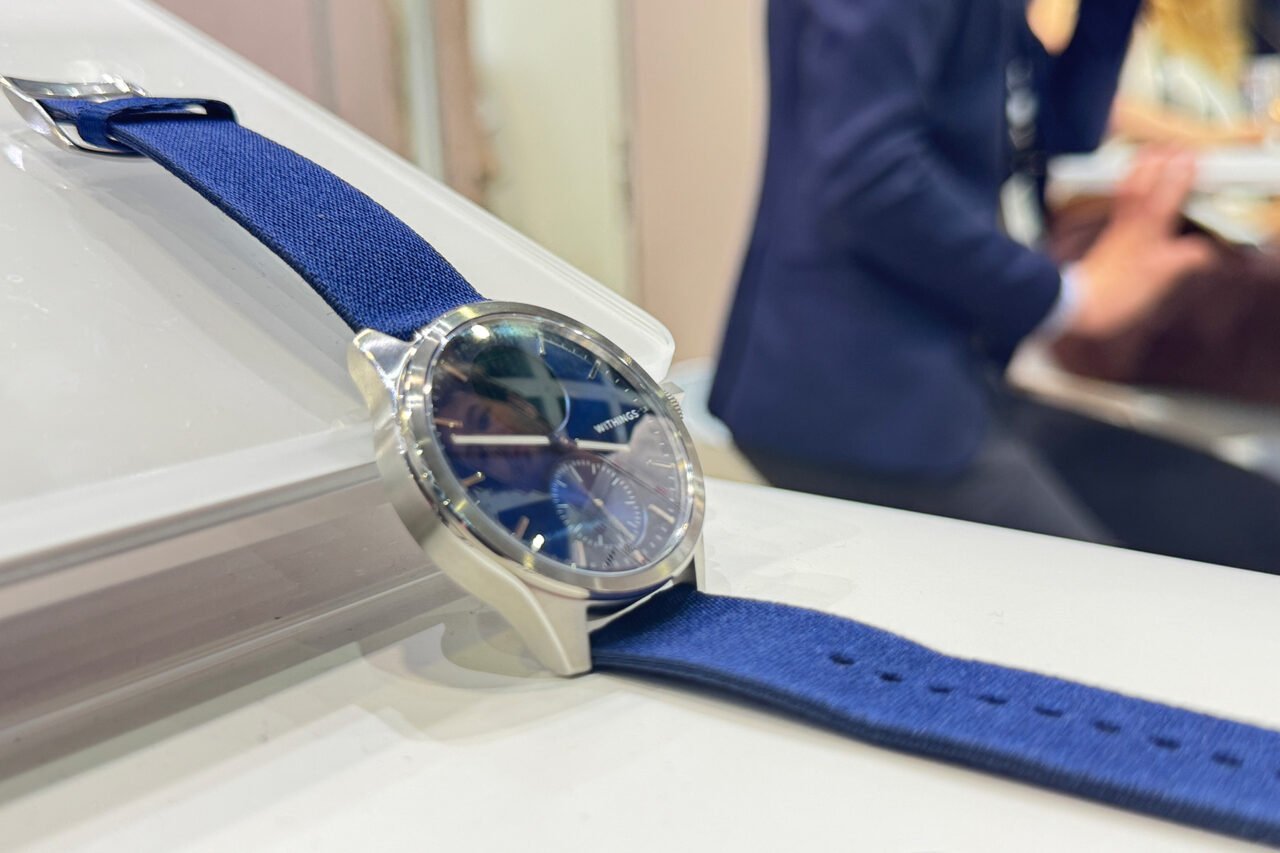
Withings has refreshed its ScanWatch 2 hybrid smartwatch with new colour options and a major software upgrade featuring AI-driven health monitoring, enhanced sleep tracking, and extended battery life of up to 35 days.
The French health technology company introduced Silver and Blue variants of the 42mm ScanWatch 2 alongside HealthSense 4 OS, marking a significant update to the device that launched two years ago as a blend of traditional watch aesthetics and advanced health tracking.
The centrepiece of the update is the new Vitality Indicator, an AI-powered feature that analyses key health metrics to deliver personalised insights on energy levels and overall wellness.
This represents Withings’ push to move beyond raw data collection toward actionable health intelligence.
Sleep tracking has received substantial improvements, now including REM cycle detection and more accurate respiratory rate monitoring during sleep.
The enhanced algorithms provide users with deeper insights into sleep quality and patterns, competing directly with dedicated sleep tracking devices.
The TempTech24/7 feature can now differentiate between body and ambient temperature, potentially detecting early signs of illness such as flu.
Additionally, the system uses overnight body temperature changes to improve menstrual cycle predictions, offering more accurate insights for users with irregular cycles or those experiencing perimenopause.
While most smartwatches require daily or weekly charging, the updated ScanWatch 2 now delivers up to 35 days of battery life on a single charge, a significant improvement that addresses one of the most common complaints about wearable devices.
This endurance, combined with the hybrid design featuring traditional watch hands alongside a small OLED display, positions the device uniquely in the market.
The new Silver and Blue 42mm ScanWatch 2 models are available from September 5 at $599.95, including a three-month Withings+ subscription valued at approximately $45.
This positions the device competitively against:
- Apple Watch Series 9 (from $629)
- Samsung Galaxy Watch6 Classic (from $549)
- Garmin Venu 3 (from $749)
The pricing reflects the hybrid approach, more expensive than basic fitness trackers but less than premium full-display smartwatches, while offering significantly longer battery life than either category.
Withings’ strategy targets users who want comprehensive health tracking without the constant notifications and daily charging requirements of traditional smartwatches.
The hybrid design appeals particularly to professionals and users who prefer classic watch aesthetics but don’t want to sacrifice modern health monitoring capabilities.
The HealthSense 4 OS ships pre-installed on the new colour variants, though Withings hasn’t confirmed when existing ScanWatch 2 owners will receive the update, a point of potential frustration for early adopters who paid the same price for their devices.
The update strengthens Withings’ position in the connected health ecosystem.
The ScanWatch 2 integrates with the company’s smart scales, blood pressure monitors, and sleep tracking mats, creating a comprehensive health monitoring platform accessible through the Withings app.
The included three-month Withings+ subscription provides additional insights and coaching features, though the ongoing subscription cost of approximately $15 per month after the trial period may deter some users accustomed to one-time hardware purchases.
The improvements to the ScanWatch 2 suggest hybrid smartwatches are finding their niche between fitness bands and full smartwatches.
As major players like Apple and Samsung focus on feature-rich devices requiring frequent charging, Withings’ approach offers a compelling alternative for health-conscious users who prioritise battery life and understated design.
With competitors likely to respond with similar battery life improvements and health tracking enhancements, the hybrid smartwatch category appears poised for growth, particularly among users seeking long-term health monitoring without the complexity of traditional smartwatches.