Why Microsoft’s Ambitions Is A Real Risk For Australians As One Country Turns Them Off
 David Richards
18 May 2026
David Richards
18 May 2026

When Microsoft CEO Satya Nadella toured Australia to boast about the tech giant’s massive local investments, his pitch focused heavily on the future of innovation: bigger AI models and trillion-parameter computing.
However, left out of the corporate pitch was a sobering reality already playing out halfway across the world: Microsoft’s massive AI data centre ambitions were just halted in Kenya after government officials warned the project’s absurd energy demands could require “switching off half the country.” Critics and energy experts argue that Australia is blindly heading down the same dangerous path, inviting “mega loads” of power consumption that could destabilise the local grid and skyrocket energy costs for everyday households and small businesses.
The friction building between Big Tech’s global ambitions and national energy limits is no longer a theoretical concern. Looking closely at the African continent provides a stark preview of the exact crisis Australia is staring down.
The Kenyan Precedent: A Warning to the World
In Kenya, Microsoft’s digital ambitions recently hit a major roadblock.
The company, alongside UAE-based tech firm G42, had planned a landmark $1 billion geothermal-powered AI data centre in the Rift Valley. The project was initially slated for a 100-megawatt (MW) capacity, with long-term ambitions to scale up to a massive 1 gigawatt (GW).
However, negotiations have stalled over power guarantees. With Kenya’s peak electricity demand sitting around 2,444 MW, a fully scaled 1 GW facility would consume roughly one-third of the entire nation’s available power infrastructure. The reality of the strain was laid bare by Kenyan President William Ruto, who reportedly warned that keeping the massive facility operational at full scale could cripple the nation’s grid.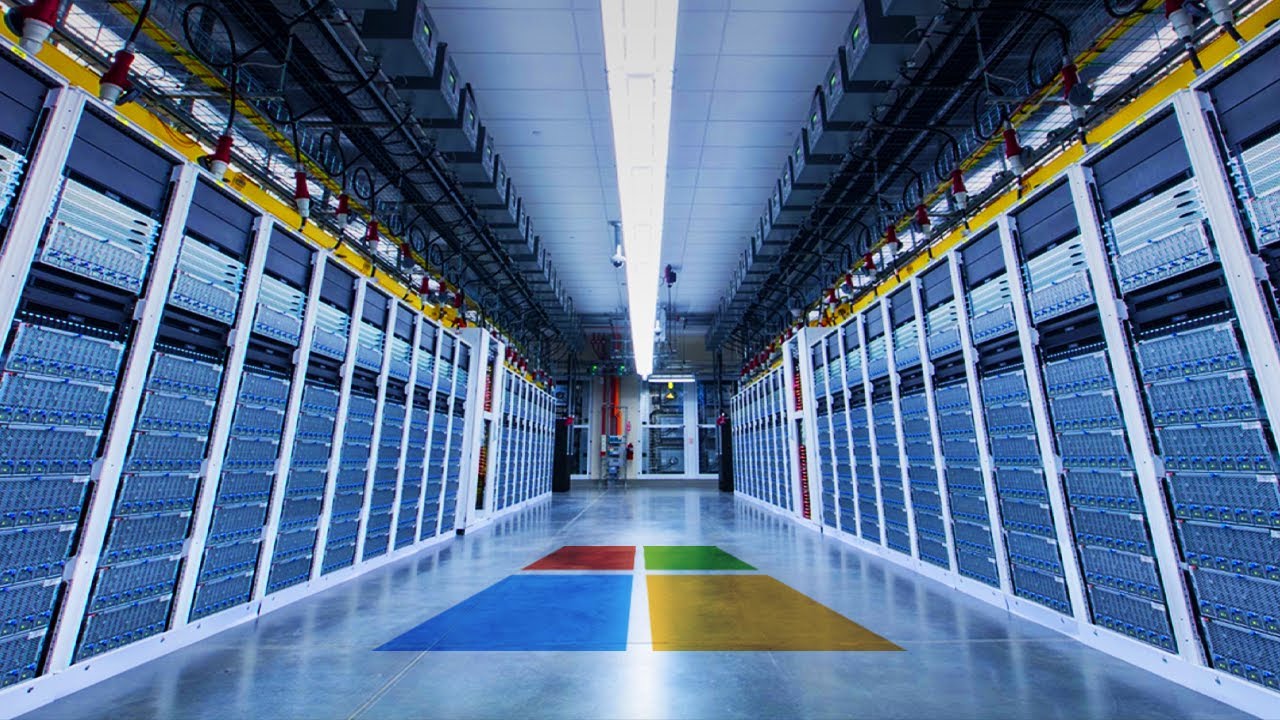
What Kenya is confronting out loud is a warning that Australian policymakers are currently ignoring.
Australia’s Grid Facing ‘Mega Loads’
The dominant concern among local observers is that Australia’s National Electricity Market (NEM) was never designed to handle the unprecedented demand of hyperscale AI and cloud facilities. Some individual data complexes are projected to consume as much electricity as a small city.
The data backing these concerns is stark:
Surging Consumption: Modelling commissioned by the Australian Energy Market Operator (AEMO) suggests data centres could devour roughly 6% of Australia’s grid-supplied electricity by 2030.
Exponential Growth: Energy consultancy firm EY estimates that data centre electricity demand could skyrocket from 4 terawatt-hours (TWh) in 2025 to 21.4 TWh by 2035.
Capacity Explosion: Operational capacity for these power-hungry facilities is projected to more than double, jumping from 1.4 gigawatts (GW) to 3.2 GW by 2030.
Critics point out that this unprecedented surge comes at a volatile time for domestic energy policy.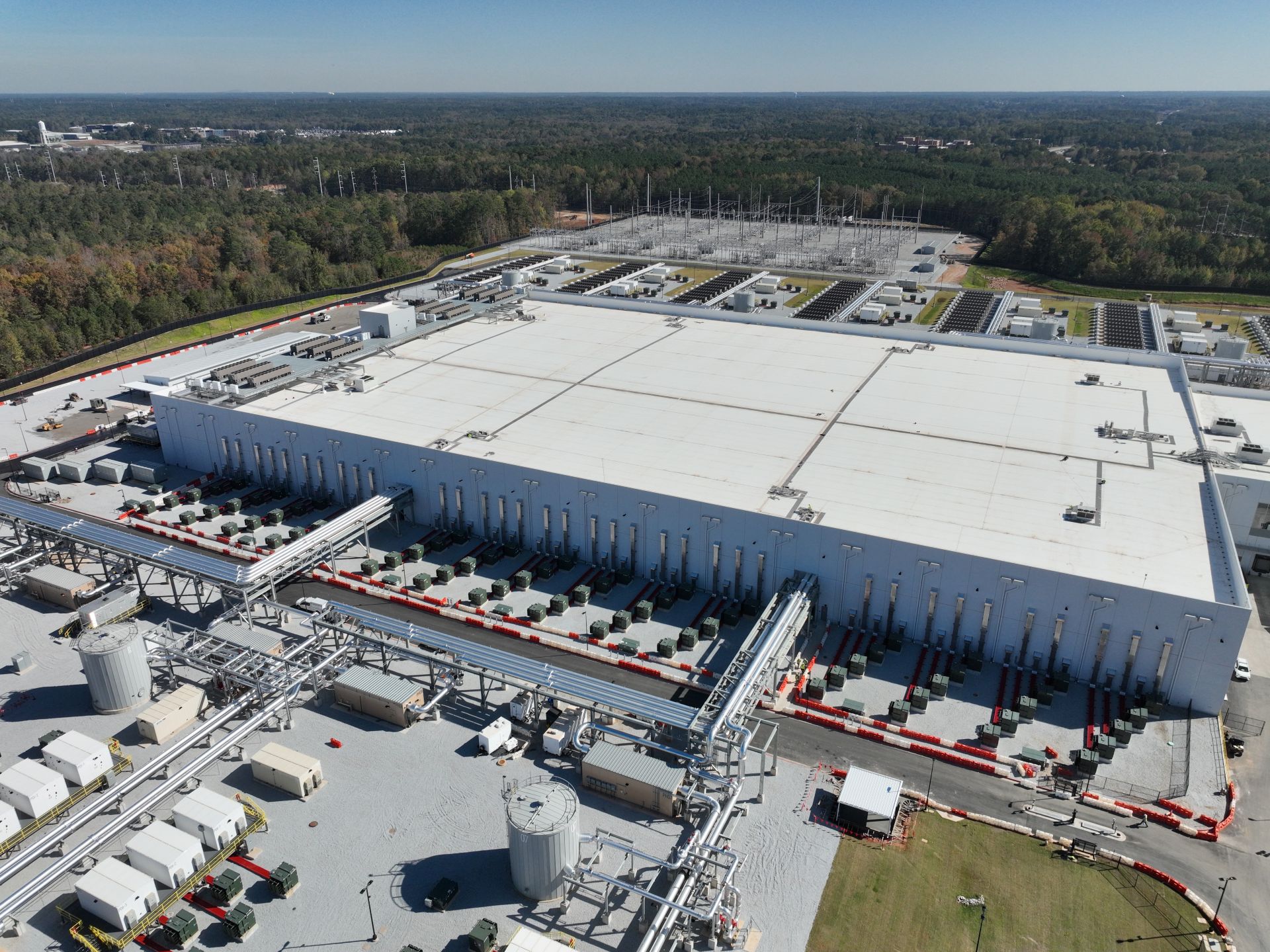
The Federal Government, led by Energy Minister Chris Bowen, has faced sharp criticism over the transition timetable, with observers warning that pushing heavily into solar and alternative power while rapidly shutting down traditional baseload power stations leaves the grid highly vulnerable to these new industrial demands.
The Threat of Cascading Blackouts
The warning signs aren’t just about high prices and high usage; they are about total system stability. Energy regulators and transmission operators fear that the technical setup of modern data centres could actively destabilise the grid.
The Australian Energy Market Commission (AEMC) has warned that without strict new standards, the rapid growth of these facilities could severely compromise grid security. Because data centres rely heavily on inverter-based technology, they are highly sensitive to power fluctuations. Industry executives warn that during a minor network disturbance, large data centres might suddenly and simultaneously disconnect to protect their own hardware.
According to reports from the AEMC and transmission operator Transgrid, a sudden, simultaneous drop in power load from clustered facilities—such as those in Western Sydney or across Queensland—could trigger massive voltage swings, compromise system frequency, and potentially cause cascading blackouts across entire regions.
Corporate Profit vs. National Interest
The situation unfolding in Kenya demonstrates that local governments do have the power to stand up to tech giants when national infrastructure is at risk.
As Microsoft pushes forward with its expansion, multiple local observers argue that Australian politicians must address the asymmetric relationship between tech industry profits and the everyday cost of living for Australians. Without aggressive regulation, standard-setting, and infrastructure protections, the financial and operational burden of the AI boom will ultimately be carried by everyday energy consumers.