Wearable Market Splits As Smartwatches And Screenless Trackers Gain Ground
 April Ossington
14 Aug 2026
April Ossington
14 Aug 2026
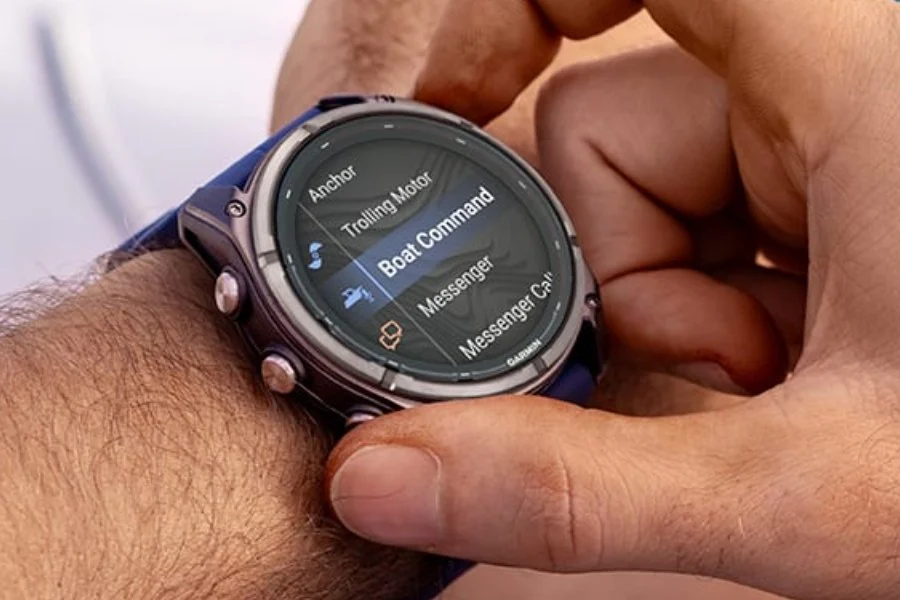
Global wearable shipments declined during the second quarter of 2026, but new figures from Omdia suggest consumers are increasingly favouring two very different types of devices: advanced sports watches and minimalist screenless trackers.
Worldwide wearable band shipments fell 2 per cent year-on-year during the quarter, according to Omdia. However, smartwatch shipments increased 6 per cent as demand strengthened for more sophisticated sports-focused models.
At the other end of the market, screenless trackers are beginning to attract more attention from consumers looking for devices that can be worn continuously without the distractions or additional power demands of a display.
Traditional fitness bands have not benefited from the same momentum. Shipments across the broader basic band category dropped 9 per cent as manufacturers changed their product launch schedules and extended device lifecycles. Basic watches were also down 3 per cent, with Omdia pointing to weaker demand in India following stronger shipment levels in previous periods.
Omdia Research Director Jason Low said the market was increasingly dividing between consumers who want discreet trackers suitable for 24-hour use and those willing to buy feature-heavy sports watches offering greater accuracy and longer battery life.
This shift is particularly noticeable in the smartwatch segment. Apple remained the dominant manufacturer, accounting for 46 per cent of global smartwatch shipments during the quarter.
Garmin was one of the strongest performers outside Apple, increasing its share to 15 per cent and reaching a similar position to Samsung, although Samsung remained narrowly ahead in second place.
Garmin’s growth has been supported by demand from runners, cyclists and outdoor enthusiasts who place greater importance on detailed training information and accurate performance measurements. The company’s expansion of its Forerunner range has also helped make its sports-focused products accessible to a wider audience.
Low said Garmin’s gains indicate that more consumers are prepared to pay premium prices when a wearable can provide reliable training information and turn that data into useful insights.
Across the entire wearable band category, Huawei emerged as the market leader with an 18 per cent share during the second quarter of 2026. That represented an increase from 17 per cent during the same quarter last year.
Omdia attributed part of Huawei’s performance to its expanding wearable range, including the international introduction of its flagship children’s smartwatch.
Omdia Research Manager Cynthia Chen said Huawei’s ability to work across different smartphone platforms has helped broaden the appeal of its wearables. The company’s health and fitness capabilities are also becoming an increasingly important part of its offering.
Meanwhile, screenless fitness trackers are developing into a notable category of their own. These products accounted for more than 15 per cent of basic band shipments during the quarter, according to Omdia.
Recent devices such as Google’s Fitbit Air and Garmin’s Cirqa have helped accelerate interest in the category. Omdia said Fitbit Air shipments increased quickly following its introduction, establishing the device as an emerging competitor among screen-free wearables.
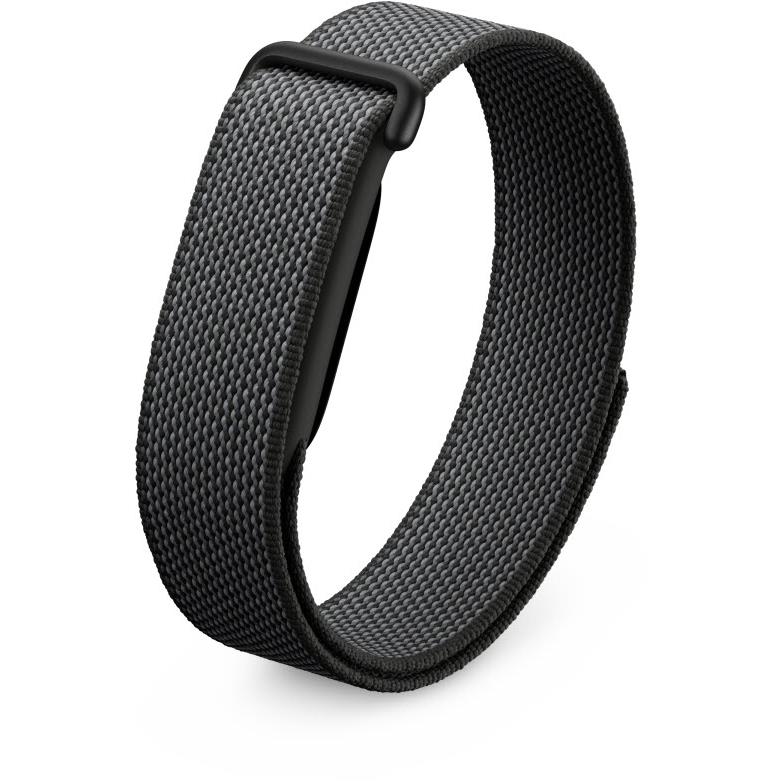
Google Fitbit Air
However, the research firm believes manufacturers will need to continue improving reliability and carefully expanding functionality if these products are to compete with established performance-focused alternatives such as Whoop.
Cost pressures could also influence the wearable market during the remainder of 2026. Increasing memory and storage costs are contributing to higher average selling prices, with Omdia pointing to recent increases affecting Samsung Galaxy Watch devices and some advanced sports watches.
For major wearable manufacturers, simply charging more could become increasingly difficult without offering additional value. Omdia expects companies with established ecosystems to place greater emphasis on integration between devices, personalised AI capabilities and more useful health and fitness insights.
Battery life is also likely to remain an important battleground, particularly as consumers compare screenless trackers designed for continuous wear with increasingly sophisticated sports watches capable of operating for several days between charges.
The latest shipment figures suggest the middle of the wearable market could face the greatest pressure. Consumers are increasingly choosing either simple devices that quietly collect data or more expensive watches offering advanced training and health capabilities, leaving conventional basic watches and mid-range smartwatches in a more difficult position.
Omdia expects this divide to become increasingly important during the second half of 2026 as manufacturers respond to higher component costs while attempting to convince consumers that premium wearable technology is worth the additional expense.