Valve Warns Steam Machine Prices Could Climb Further As Memory Crisis Worsens
 Joe Gallop
23 Jul 2026
Joe Gallop
23 Jul 2026

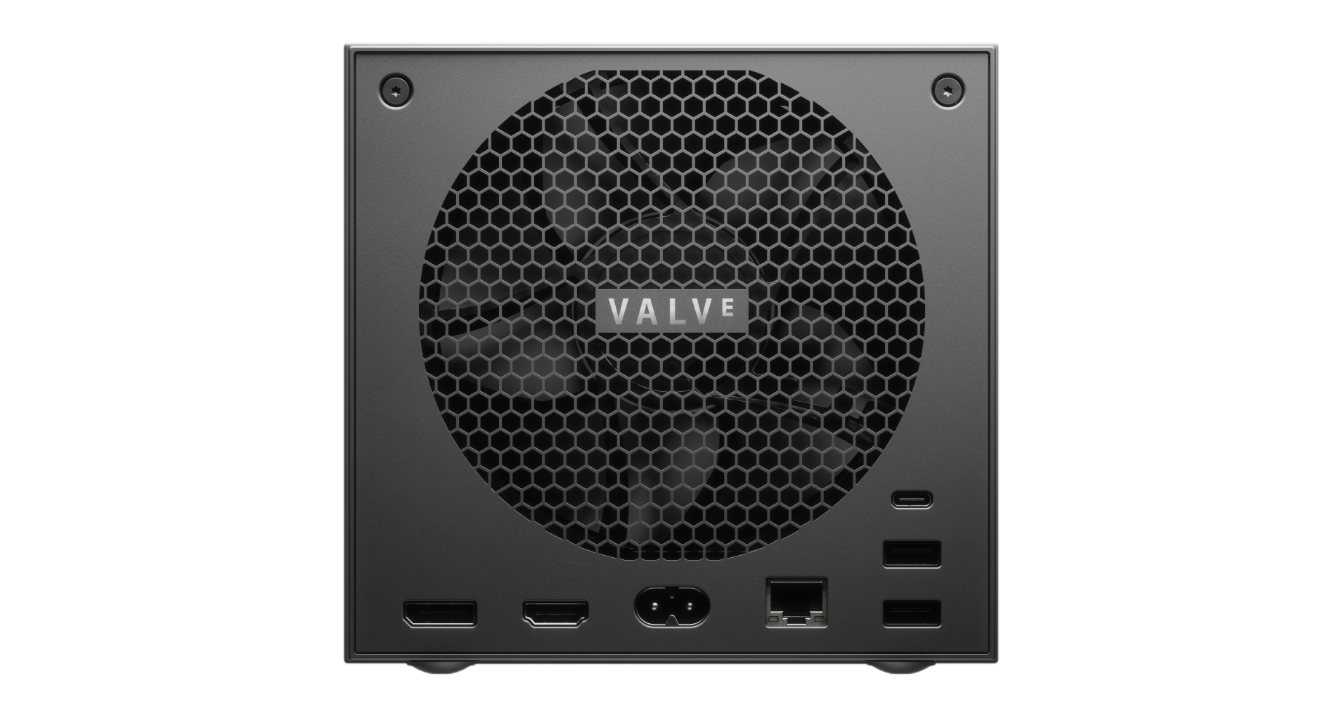
Valve has warned that the price of its new Steam Machine could climb further as AI-driven demand intensifies shortages of memory and storage components.
Valve engineer Yazan Aldehayyat told Bloomberg that wholesale component costs were continuing to rise, with retail prices typically taking between three and six months to reflect changes further up the supply chain.
“Honestly, it’s still getting worse,” Aldehayyat said. “What people are seeing on retail shelves right now, from our observations, is lagging what we’re seeing from a bulk supply by at least three to six months.”
Valve has not confirmed a price increase, although the comments suggest the Steam Machine’s current pricing may not be sustainable if DRAM, storage and chip costs continue climbing.
The Steam Machine currently starts at $1,609 in Australia for the 512GB model without a controller, rising to $2,228 for the 2TB version bundled with Valve’s Steam Controller.

Valve has already said its original pricing target was no longer viable because of rising memory and solid-state storage costs, while analysts have described the device as a niche product rather than a mass-market console rival.
Valve had reportedly intended to launch the living room gaming PC at a lower price but was forced to revise its plans as component costs increased. Engineer Pierre-Loup Griffais said the company was building every unit it could source parts for but remained constrained by memory availability.
Demand has nevertheless remained strong, with the Steam Machine reportedly selling out despite its premium price.
The shortages are being attributed partly to the rapid expansion of AI data centres, which are consuming growing volumes of high-bandwidth memory and server-grade DRAM. This has reduced the supply available for consumer electronics including gaming PCs, handhelds and consoles.
Valve is also preparing to launch its Steam Frame standalone virtual reality headset, although pricing and a firm release date have not been announced.
A major SteamVR update recently introduced a redesigned dashboard, improved battery information, brightness controls and Steam Deck-style quick settings ahead of the headset’s release.
The company has also ruled out developing games exclusively for the Steam Machine.
Griffais said Valve preferred to make the wider PC catalogue available across devices rather than restrict titles to its own hardware, effectively ending speculation that a new Half-Life game could be used to drive Steam Machine sales.