V-ZUG Reimagines the Kitchen as Architecture at Milan Design Week
 David Richards
22 Apr 2026
David Richards
22 Apr 2026
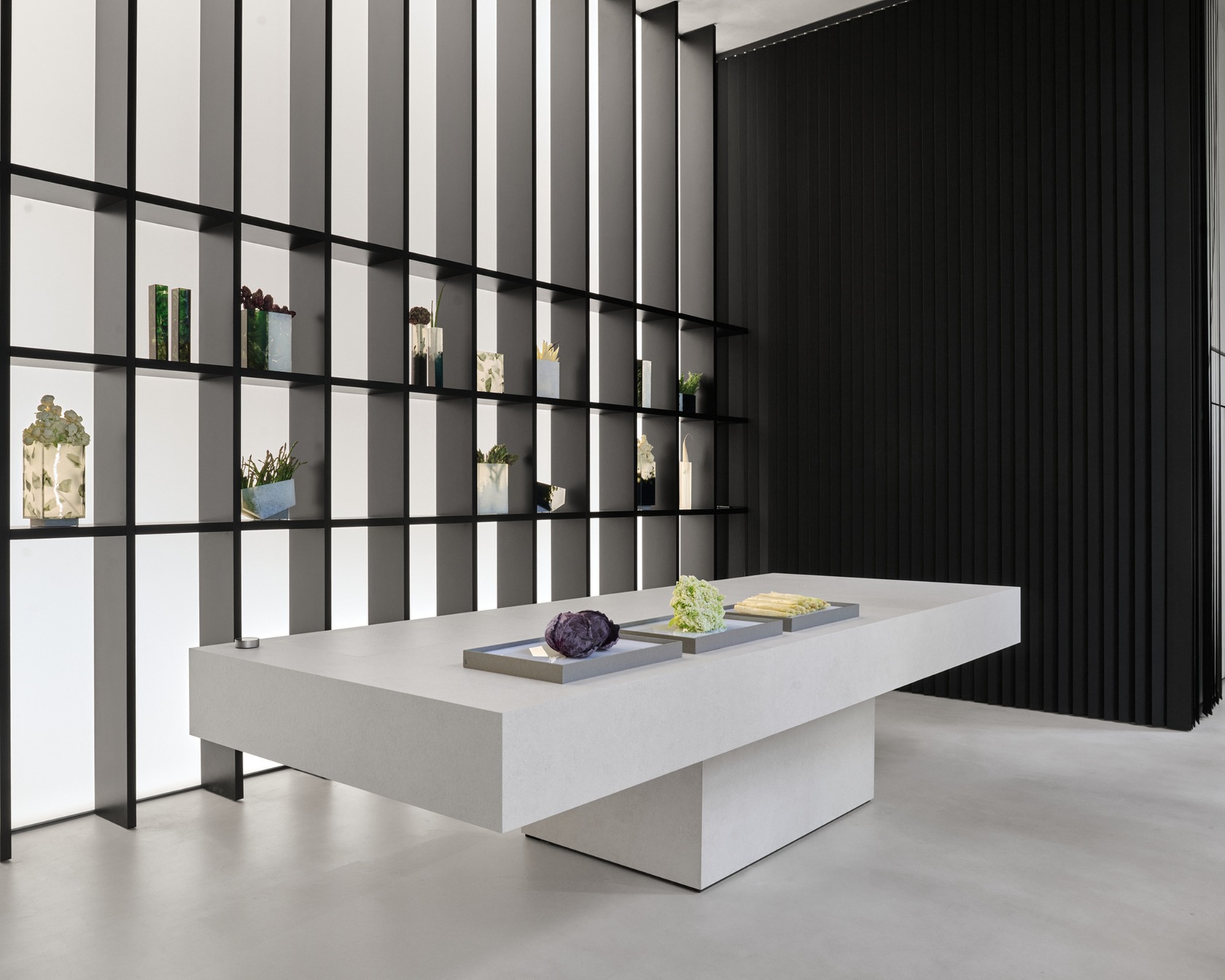
At this year’s Milan Design Week, Swiss luxury appliance manufacturer V-ZUG stepped away from the traditional product launch playbook, instead presenting a quietly radical vision for the future of the kitchen—one where appliances disappear entirely into the architecture of the home.
Rather than exhibiting on the busy EuroCucina show floor, the brand chose the more intimate setting of its Milan studio to unveil Table Rituals, a conceptual installation developed in collaboration with architect and designer Elisa Ossino.
The decision to present outside the conventional exhibition environment signalled a deliberate shift: this was not about selling a product, but about reframing an entire category.
At the centre of the installation is an induction cooktop embedded seamlessly into a large communal table. Visually, it recedes into the surface—almost indistinguishable from the material around it. There are no obvious markers of technology, no raised elements or dominant interfaces. Instead, the cooktop exists as part of the table itself, blurring the line between appliance and furniture.
The V-ZUG V6000 Integra induction cooktop featuring a ceramic surface and is manufactured with material, made from the purest natural minerals, and is capable of withstands, heat, cold, cuts and heavy use – while remaining an architectural statement.
“The V6000 Integra transforms the worktop into a single, continuous mineral surface, which can also be extended beyond the cooking area. The induction underneath is powerful – yet almost invisible. The result is a space that exudes tranquillity and brings pure timeless design to life,” the company said.
The new material is being showcased in three exclusive colours including the Companies signature black, platinum and in pearl mirror glass.
This gesture encapsulates V-ZUG’s broader design direction: the move toward “invisible technology.” In this emerging paradigm, appliances are no longer designed to be seen, but to be experienced. Function remains critical, but its expression becomes subtle, embedded, and quietly integrated into the spatial language of the home.
The installation positions the kitchen not as a workspace defined by tools, but as a social and architectural centrepiece. By anchoring the concept around a communal table, V-ZUG reframes cooking as a shared ritual—one that unfolds in a space designed for gathering, interaction, and connection. The table becomes both stage and infrastructure, supporting activity without visually dominating it.
This human-centred approach was further explored through Mise en Geste, a live performance staged during the launch event. Here, everyday cooking actions were elevated into choreographed movement, reinforcing the idea that the kitchen is as much about behaviour and emotion as it is about utility. The performance underscored a key message: design should support and enhance human rituals, not compete with them.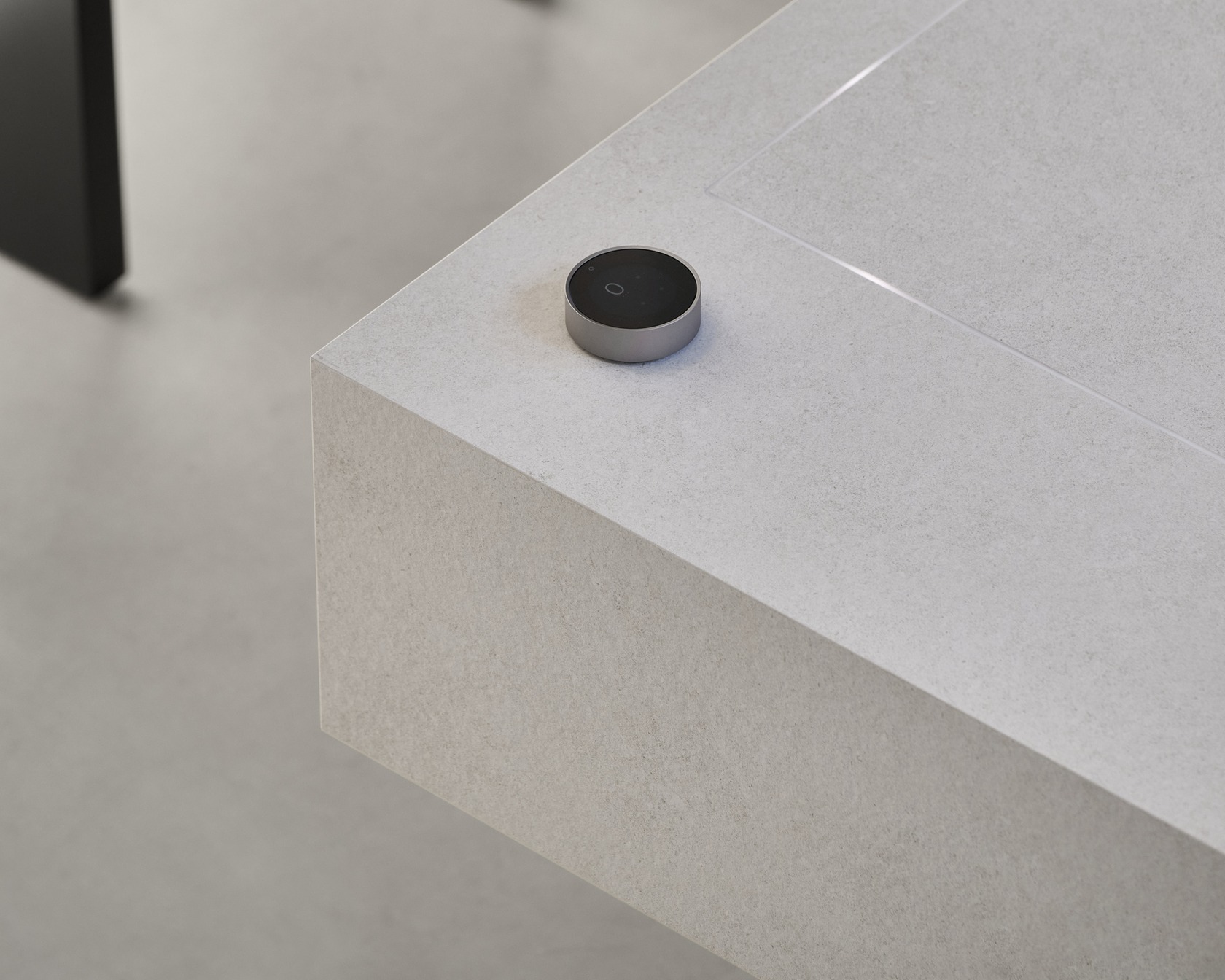
For V-ZUG, this marks a clear evolution from appliance-led design toward architecture-led integration. The company is aligning itself with a broader industry shift, particularly at the premium end of the market, where kitchens are increasingly conceived as cohesive spatial systems rather than collections of standalone products.
The concept also reflects the growing influence of “quiet luxury”—a design philosophy that prioritises restraint, material quality, and subtlety over overt display. In this context, technology becomes intentionally discreet. It operates with what V-ZUG describes as “quiet precision,” delivering performance without visual noise.
Surfaces remain uninterrupted. Materials take precedence. Interfaces are reduced or hidden altogether. Appliances, in effect, become background infrastructure—present, but largely unseen.
While Table Rituals stops short of revealing specific product specifications, SKUs, or immediate retail timelines, it offers a strong indication of where the brand is heading.
V-ZUG confirmed that integrated, surface-level cooking technologies and highly concealed appliances are part of its future roadmap, with Australia identified as a key market—particularly among architects, designers, and developers working in the luxury residential sector.
This places the company in a competitive position within the evolving architectural kitchen movement, where European brands are increasingly collaborating with designers to create holistic, built-in solutions that merge seamlessly with interior environments.
The implications extend beyond aesthetics. By embedding appliances into furniture-like elements such as tables, the kitchen itself begins to dissolve into the broader living space. Boundaries soften. Functional zones become more fluid. The kitchen is no longer a separate room or a clearly defined area—it becomes part of the home’s overall spatial narrative.
In this context, the appliance is no longer the focal point. Instead, it supports a layered experience of living, where design, technology, and human behaviour intersect in more subtle and meaningful ways.
For attendees—including Australian retailers and design professionals—the response to V-ZUG’s presentation was notably positive. Many pointed to the clarity of the brand’s vision and its alignment with wider industry trends toward human-centred design, architectural integration, and reduced visual clutter.
Importantly, V-ZUG’s Milan presence suggests a growing confidence in leading through ideas rather than products alone. By focusing on philosophy, behaviour, and spatial experience, the company is positioning itself not just as a manufacturer, but as a contributor to the future language of domestic design.
As kitchens continue to evolve, the question is no longer simply what appliances can do, but how they should exist within the home. V-ZUG’s answer is clear: they should be felt, not seen.
In Table Rituals, the appliance disappears—but in doing so, it may become more integral than ever.