Trump Threatens Tariffs After EU Fines Google Nearly $5 billion
 Nigel Bowen
08 Sep 2025
Nigel Bowen
08 Sep 2025
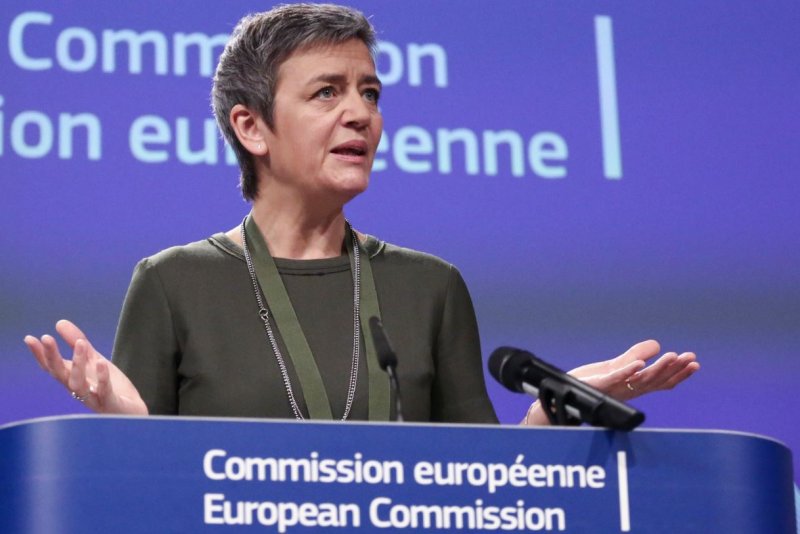
Donald Trump has reignited trade tensions with Europe after the European Commission fined Google €2.95bn ($4.8bn) over its advertising technology practices.
Brussels accused Google of “self-preferencing” its own ad services and ordered the tech giant to introduce remedies to curb its dominance.
The dispute echoes the antitrust case Google has been facing in its home country.
As Channel News reported last week, Google would likely have been quietly pleased with the outcome of that case.
However, it appears that the Europeans are in a more punitive mood than the US courts.
EU competition chief Teresa Ribera warned that the only effective fix might be a structural remedy, such as forcing Google to divest parts of its AdTech business.
The penalty ranks among the largest ever imposed on Google, which was previously fined €4.12bn in 2018 for abusing its Android dominance.
The latest case stems from a 2021 probe into whether Google made it harder for rivals to compete in digital advertising.
Google has 60 days to respond, with Google’s global regulatory chief Lee-Anne Mulholland confirming the company will appeal.
She labelled the fine “unjustified”, arguing it would hurt European SMEs that rely on Google’s services.

Google has been accused of questionable business activities in both the US and EU
Hours after the ruling, Trump blasted the EU’s actions as “very unfair” on Truth Social, his social media site.
He warned he may launch a ‘Section 301’ trade investigation that could pave the way for fresh tariffs on European goods.
“We cannot let this happen to brilliant and unprecedented American Ingenuity,” Trump posted. “Very unfair, and the American Taxpayer will not stand for it! As I have said before, my Administration will NOT allow these discriminatory actions to stand.”
The comments came just a day after high-profile tech CEOs, including those from Meta and Apple, attended a White House dinner where they lavished praise on the president.
The dispute threatens to overshadow a still-unfinished EU-US trade pact that was agreed in principle in July.
It also underscores the growing rift over how American tech companies are regulated abroad.
Brussels insists its rulings apply “without fear or favour” to all businesses operating in Europe, but US executives argue the bloc is disproportionately targeting American companies.